World Artifacts › Atlas › Afghanistan
Bamiyan Niche
The empty cliff niche of the Buddha.
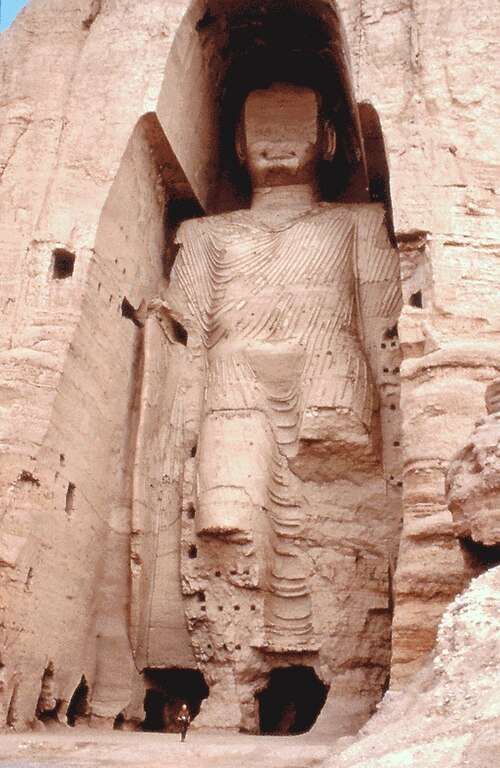
The Buddhas of Bamiyan were two monumental Buddhist reliefs in the Bamiyan Valley of what is now Afghanistan, carved possibly around the 6th-century. Located 130 kilometres (81 mi) to the northwest of Kabul, at an elevation of 2,500 metres (8,200 ft), carbon dating of the structural components of the Buddhas has determined the smaller 38 m (125 ft) "Eastern Buddha" was built around 570 CE, and the larger 55 m (180 ft) "Western Buddha" was built around 618, which would date both to the time when the Hephthalites ruled the region.
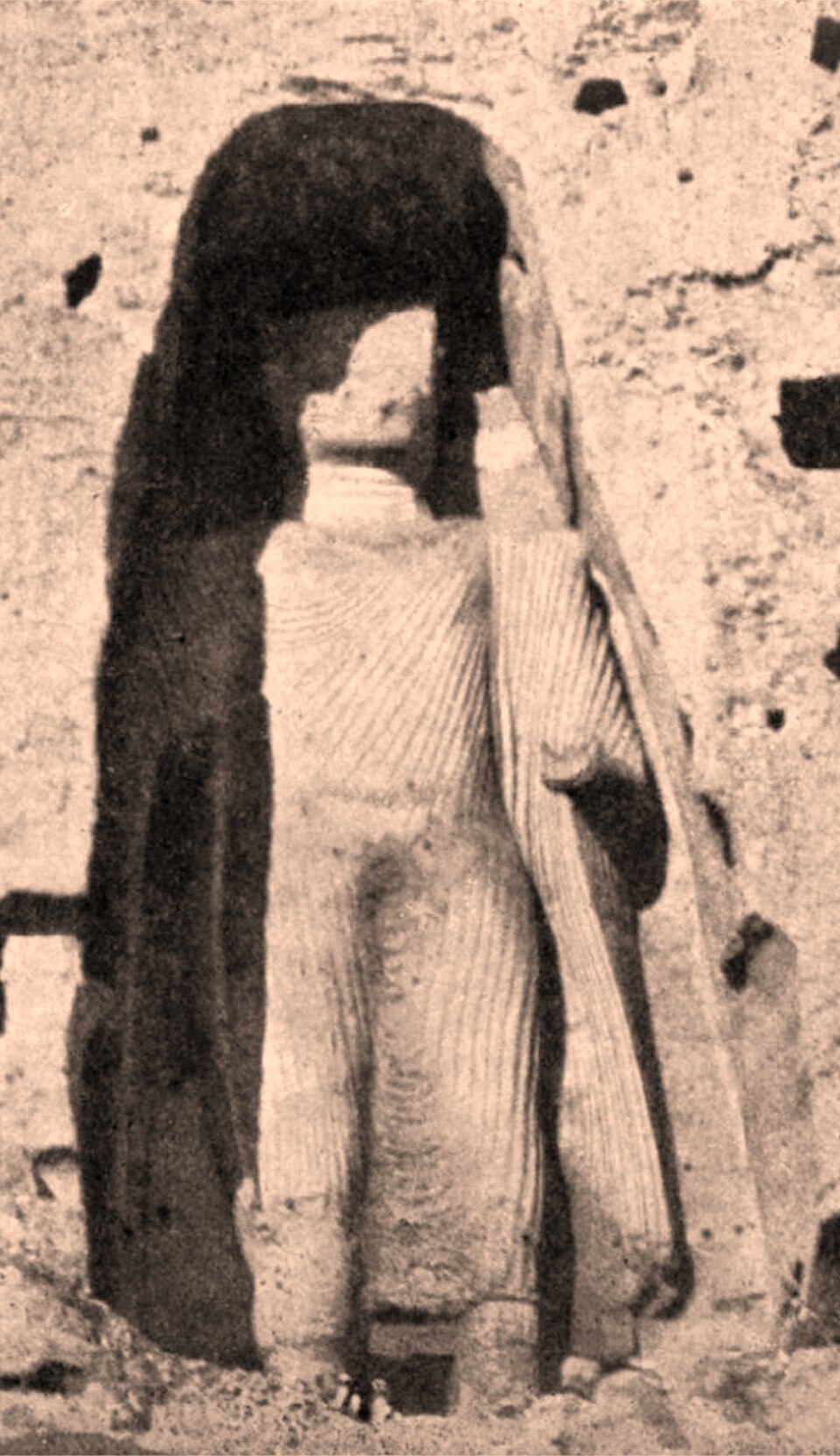
In March 2001, both structures were destroyed by the Taliban following an order given on February 26, 2001, by Taliban leader Mullah Muhammad Omar, to destroy all the statues in Afghanistan "so no one can worship or respect them in the future". International and local opinion condemned the destruction of the Buddhas. Inscribed in 2003 as part of a UNESCO World Heritage Site, the Buddhas are recognized as an outstanding expression of Gandharan Buddhism. In the meantime, the Taliban conducted several days of massacre of the Hazaras − a regional ethnic minority − going door to door, killing men, women, and children. Homes, markets, trees, graveyards, and other cultural sites of Hazaras were all destroyed. Hazara community leaders later claimed that as many as 15,000 people were massacred by the Taliban.

Further reading
Bamiyan Niche is one of the 3D puzzles in World Artifacts: turn a cloud of broken pieces until it lines up. For iPhone, iPad, Apple Vision Pro and Android.

