World Artifacts › Atlas › Albania
Apollonia Column
The lone Corinthian column of the ancient city.
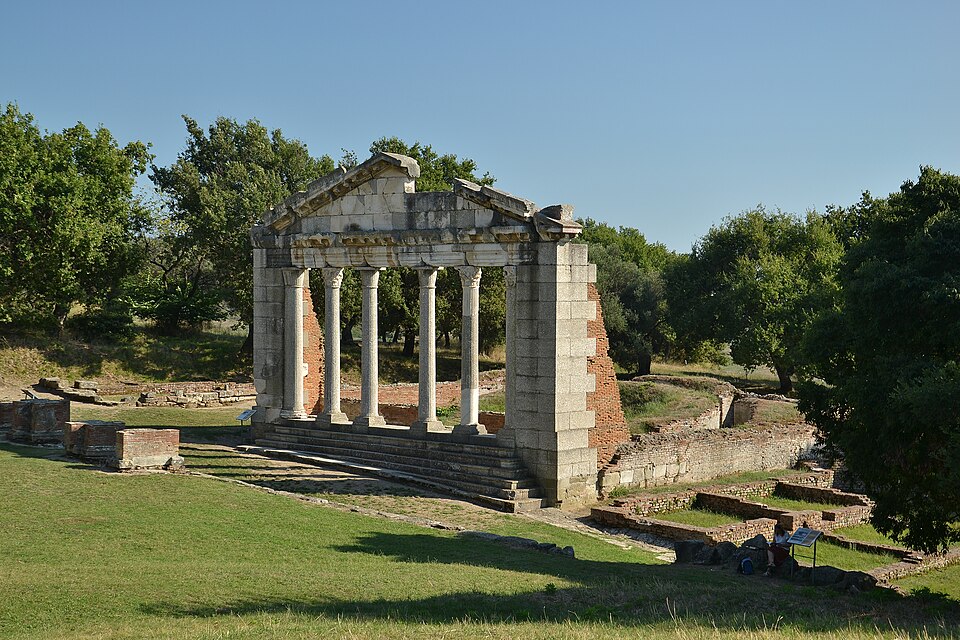
Apollonia (Ancient Greek, Koine Greek: Ἀπολλωνία; demonym: Ἀπολλωνιάτης, Apolloniates; Latin: Apollonia) was an Ancient Greek trade colony which developed into an independent polis, and later a Roman city, in southern Illyria. It was located on the right bank of the Aoös/Vjosë river, approximately 10 km from the eastern coast of the Adriatic Sea. Its ruins are situated in the county of Fier, close to the village of Pojan, in Albania.
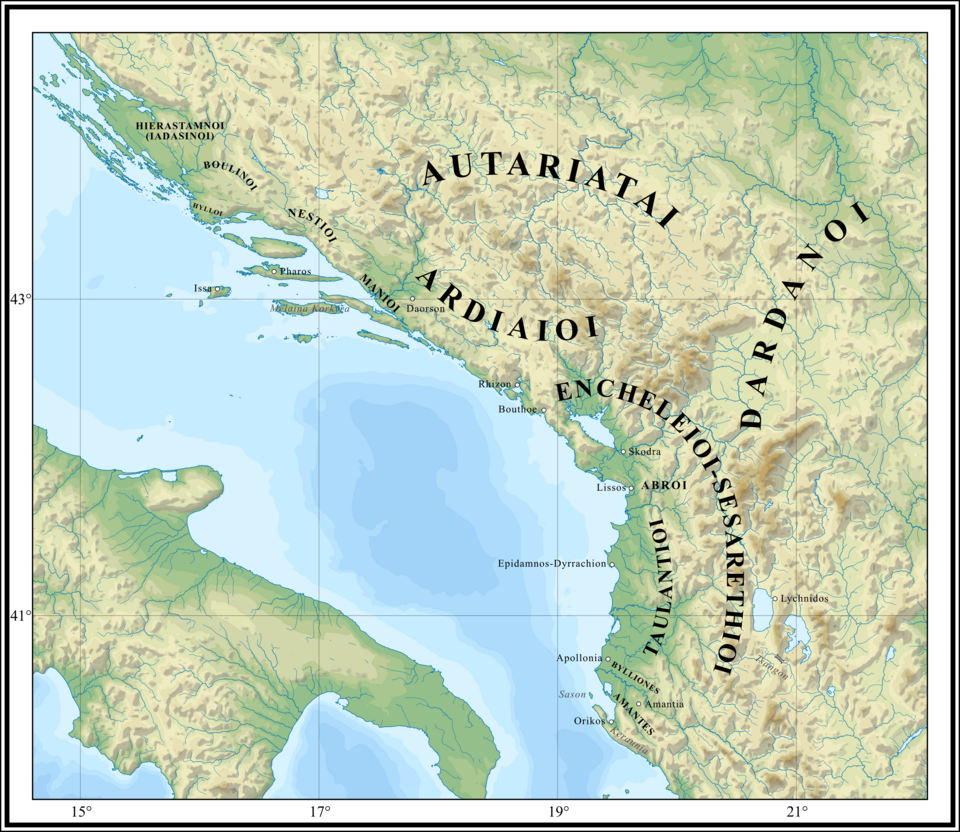
Apollonia was perhaps the most important of the several classical towns of the same name. It was founded around 600 BC by Greek colonists from Corinth and possibly Corcyra, who established a trading settlement on a largely abandoned coastal site by invitation of the local Illyrians. Corinthian colonial policy seems to have been relatively liberal, focused on resource extraction for the support of their homeland, rather than exploitation or expulsion of the local Illyrian population. Apollonia gradually gained political independence from Corinth and was organized as a polis under an oligarchic system. Aristotle describes Apollonia's oligarchy as a small Greek elite class, largely descended from the original colonists, ruling over a largely local Illyrian population.
Further reading
Apollonia Column is one of the 3D puzzles in World Artifacts: turn a cloud of broken pieces until it lines up. For iPhone, iPad, Apple Vision Pro and Android.

