World Artifacts › Atlas › Argentina
San Martín Monument
San Martín took an army over the Andes at four thousand metres to attack the Spanish in Chile from a direction they had not defended. He then refused to take any part in the civil wars that followed, resigned everything and died in France.
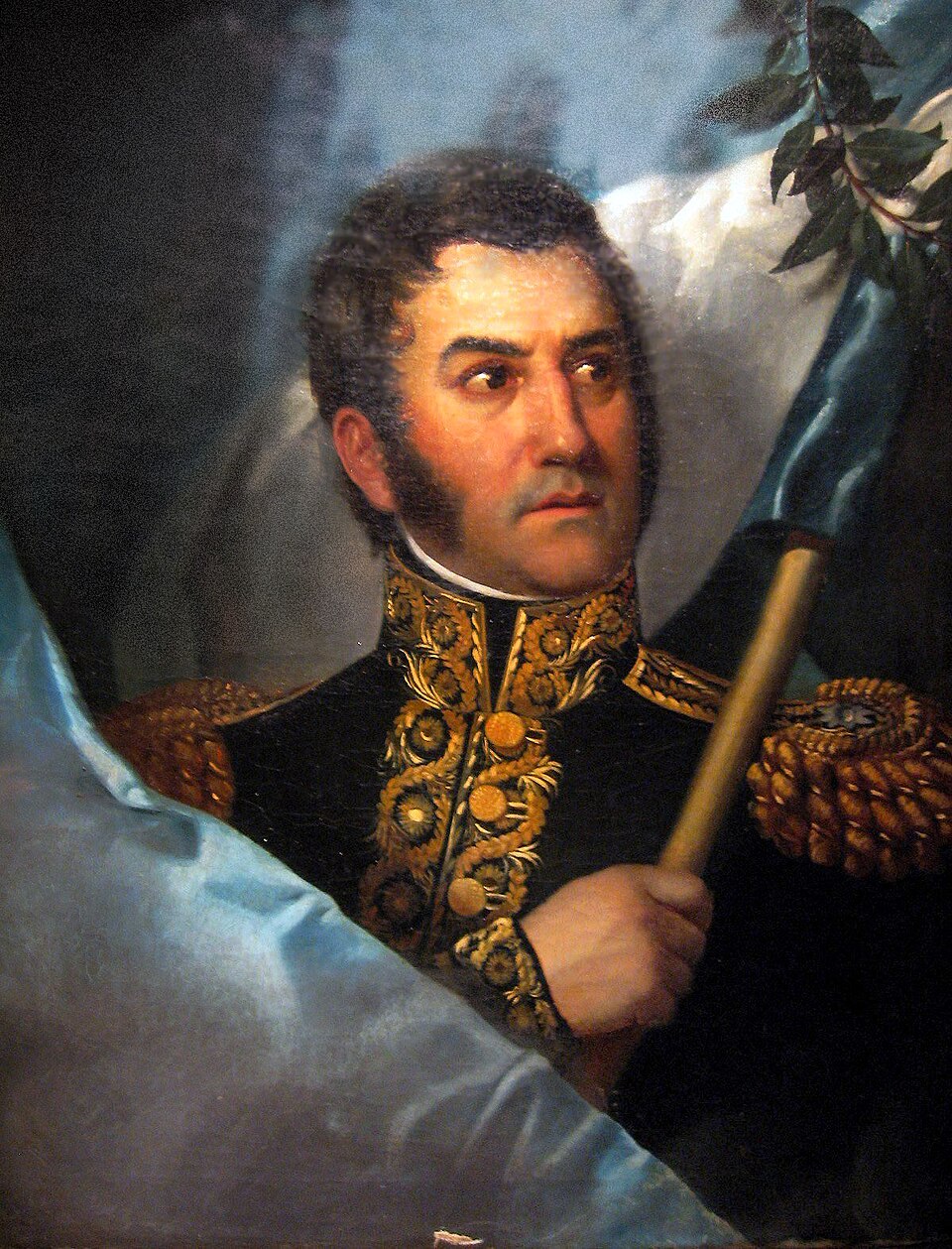
José Francisco de San Martín y Matorras (Spanish pronunciation: [xoˈse ðe sam maɾˈtin] ; 25 February 1778 - 17 August 1850), nicknamed "the Liberator of Argentina, Chile and Peru", was an Argentine general and the primary leader of the southern and central parts of South America's successful struggle for independence from the Spanish Empire who served as the Protector of Peru. Born in Yapeyú, Corrientes, in modern-day Argentina, he left the Viceroyalty of the Río de la Plata at the early age of seven to study in Málaga, Spain.
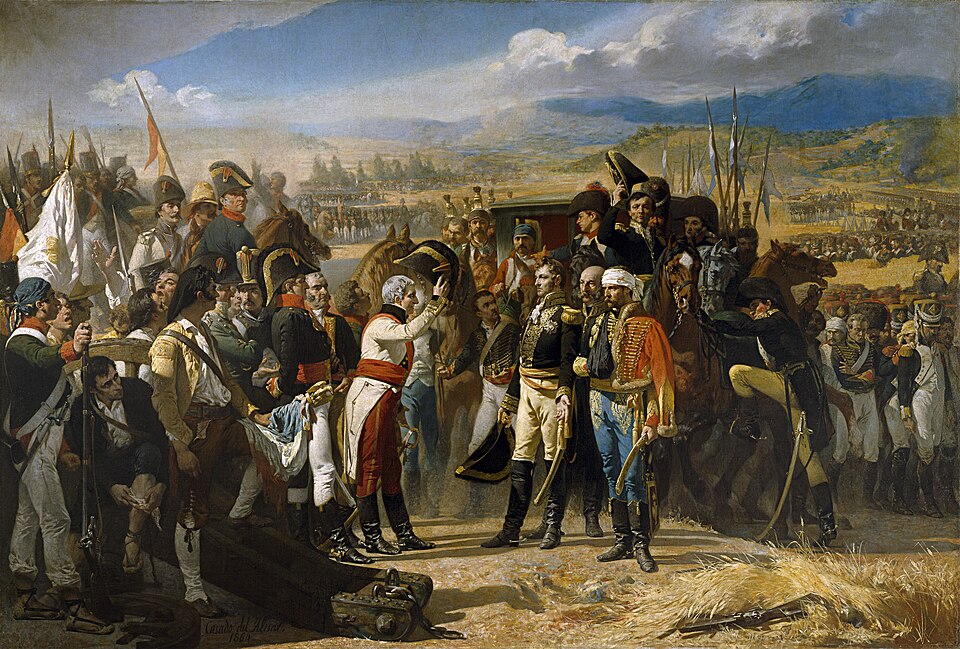
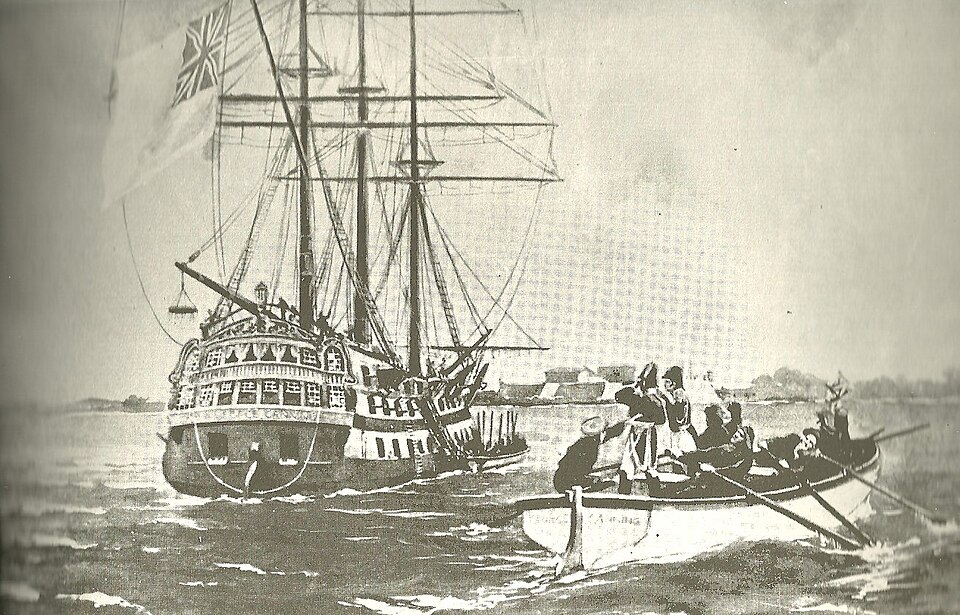
In 1808, after taking part in the Peninsular War against France, San Martín contacted South American supporters of independence from Spain in London. In 1812, he set sail for Buenos Aires and offered his services to the United Provinces of the Río de la Plata, present-day Argentina and other countries. After the Battle of San Lorenzo and time commanding the Army of the North during 1814, he organized a plan to defeat the Spanish forces that menaced the United Provinces from the north, using an alternative path to the Viceroyalty of Peru. This objective first involved the establishment of a new army, the Army of the Andes, in Cuyo Province, Argentina. From there, he led the Crossing of the Andes to Chile, and triumphed at the Battle of Chacabuco and the Battle of Maipú (1818), thus liberating Chile from royalist rule. Then he sailed to attack the Spanish stronghold of Lima, Peru.
Further reading
San Martín Monument is one of the 3D puzzles in World Artifacts: turn a cloud of broken pieces until it lines up. For iPhone, iPad, Apple Vision Pro and Android.

