World Artifacts › Atlas › Austria
Alpine Salamander
The alpine salamander does not lay eggs; it carries two young inside for two to three years, the longest gestation of any land vertebrate, because the season at that altitude is too short for larvae in a pond.
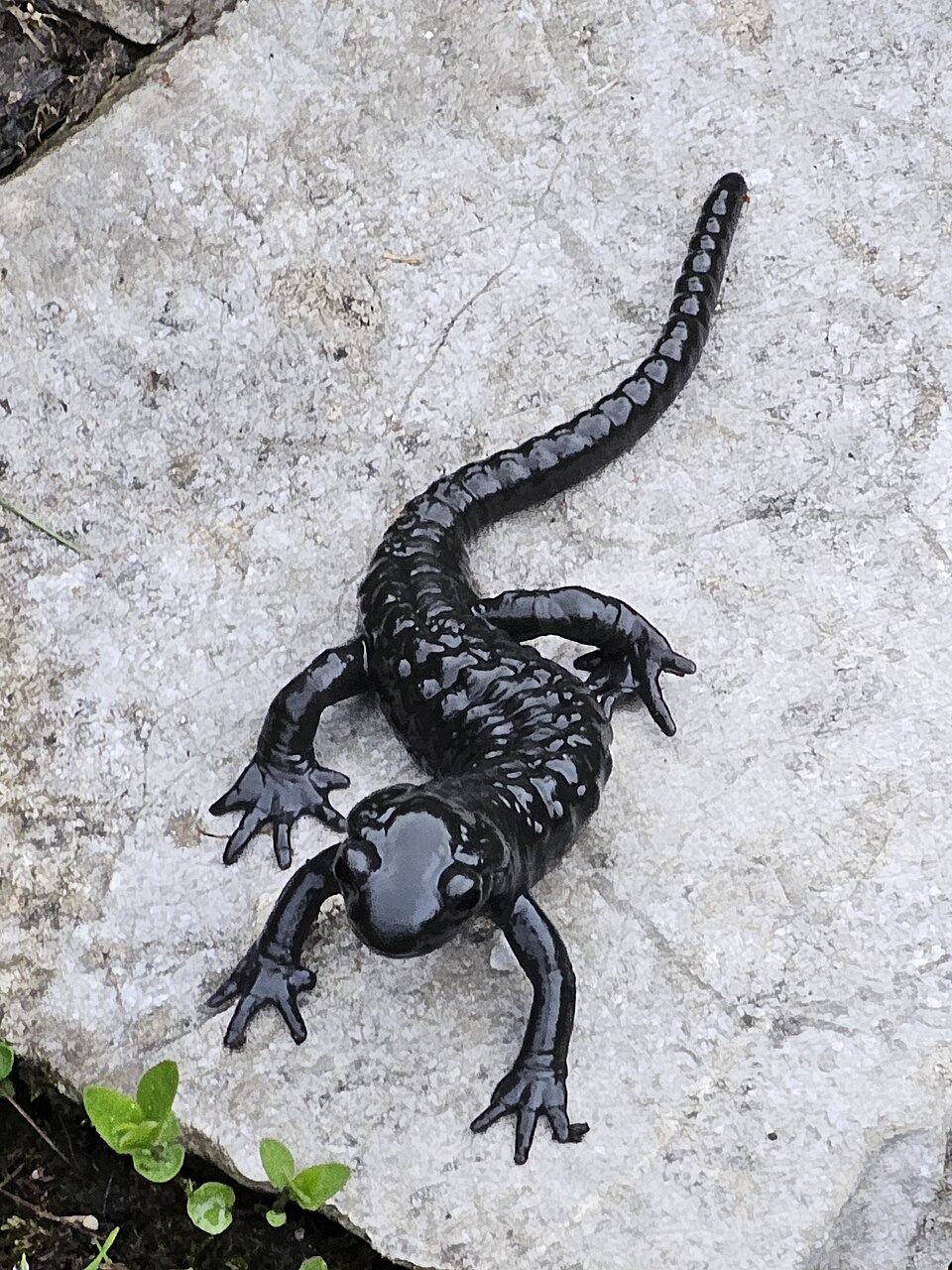
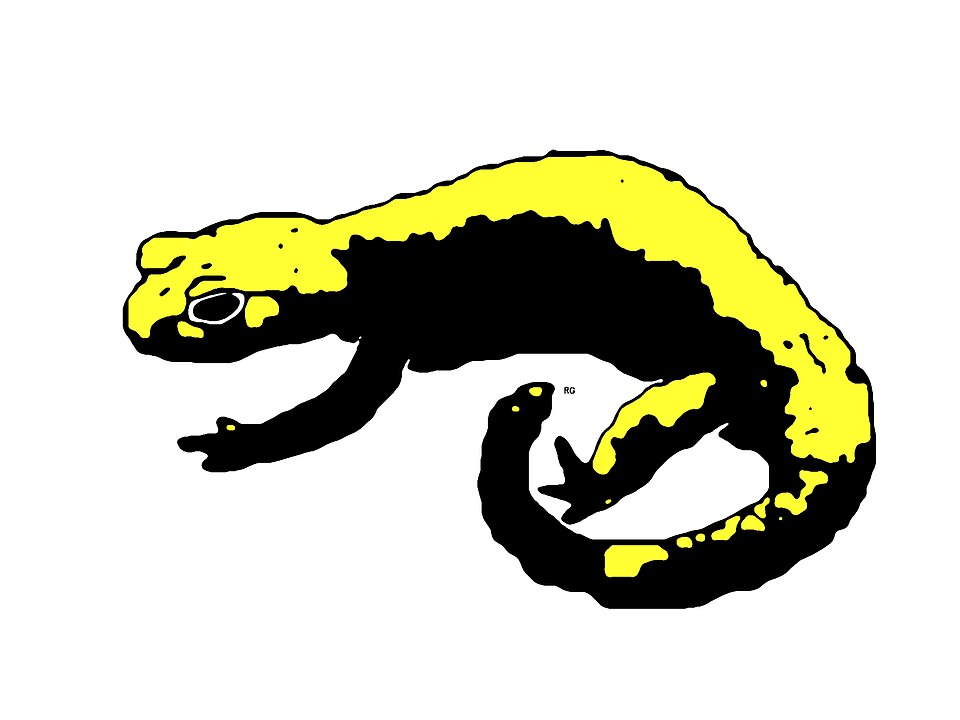
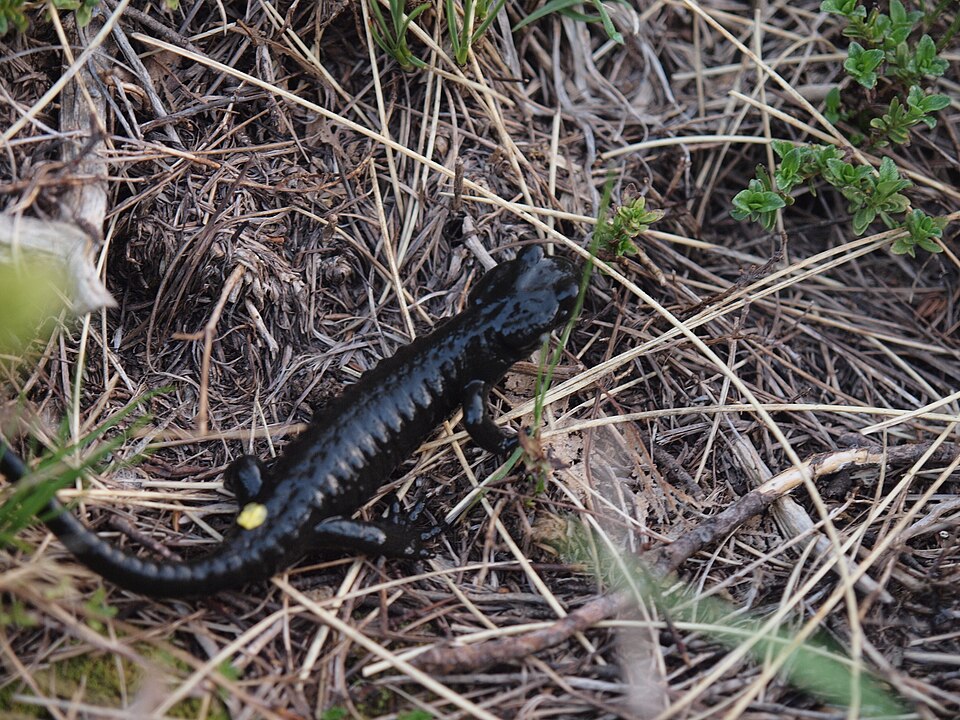
The alpine salamander (Salamandra atra) is a black salamander that can be found in the Alps, and through the mountainous range in Europe. It is a member of the genus Salamandra. The species name, atra, is derived from the Latin ater, meaning dull black. The colour of salamanders has evolved over time, as some species are completely monochrome black, and others have yellow spotting and marks. Their life expectancy is at least 10 years. There are four subspecies of the alpine salamander, with varied distribution and physical colour. Unlike other salamanders, whose larvae develop in water, the alpine salamander and its subspecies are fully terrestrial species in life and gestation. They give birth to live young.
Alpine salamanders produce toxic compounds from their skin. These compounds may protect them from both predator and microbial threats.
Alpine Salamander is one of the 3D puzzles in World Artifacts: turn a cloud of broken pieces until it lines up. For iPhone, iPad, Apple Vision Pro and Android.

