World Artifacts › Atlas › Austria
Hallstatt Salt Mine Slide
This is the oldest salt mine in the world, worked for seven thousand years, and the salt has preserved what should have rotted: leather caps, wooden tools, and a staircase built in 1344 BC that is the oldest wooden stair ever found. The miners' wooden slides are still how you get down.
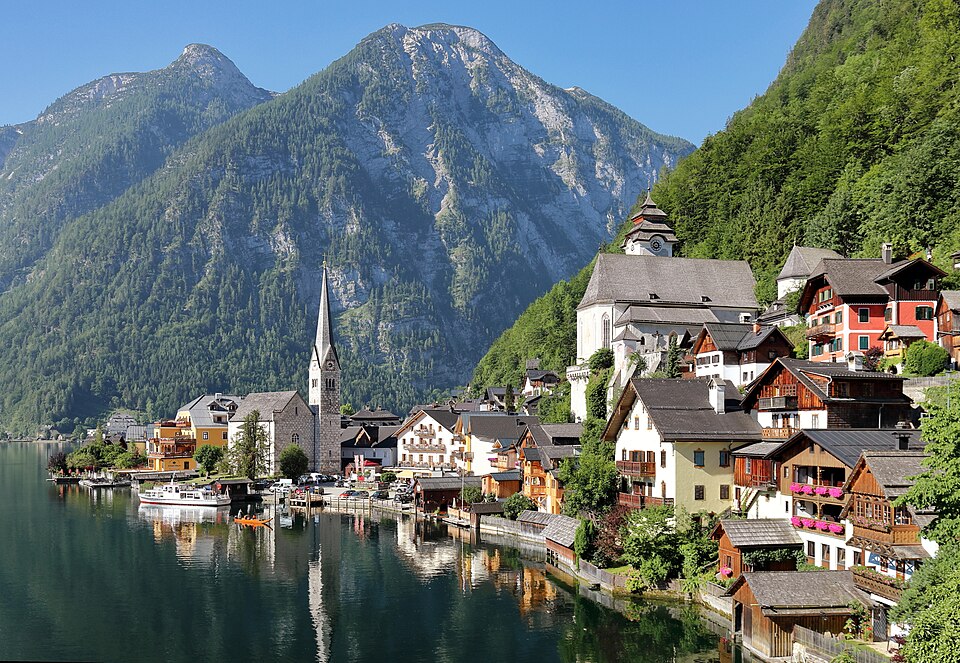
Hallstatt (German: [ˈhalʃtat] ) is a small town in the Gmunden District of the Austrian state of Upper Austria. Situated between the southwestern shore of Hallstätter See and the steep slopes of the Dachstein massif, the town lies in the Salzkammergut region, on the national road linking Salzburg and Graz.
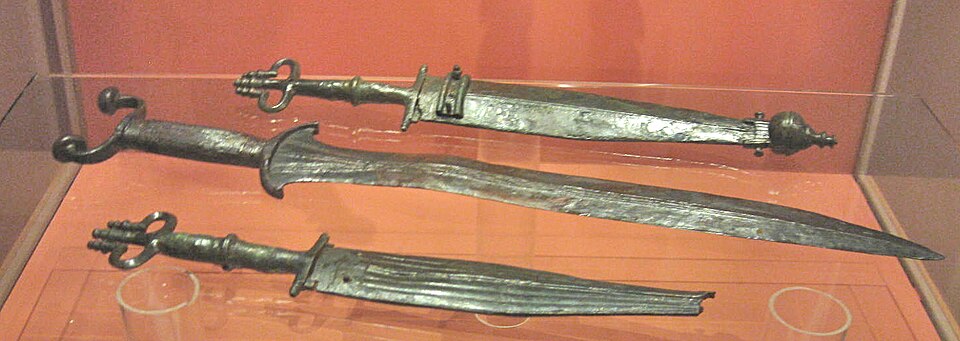
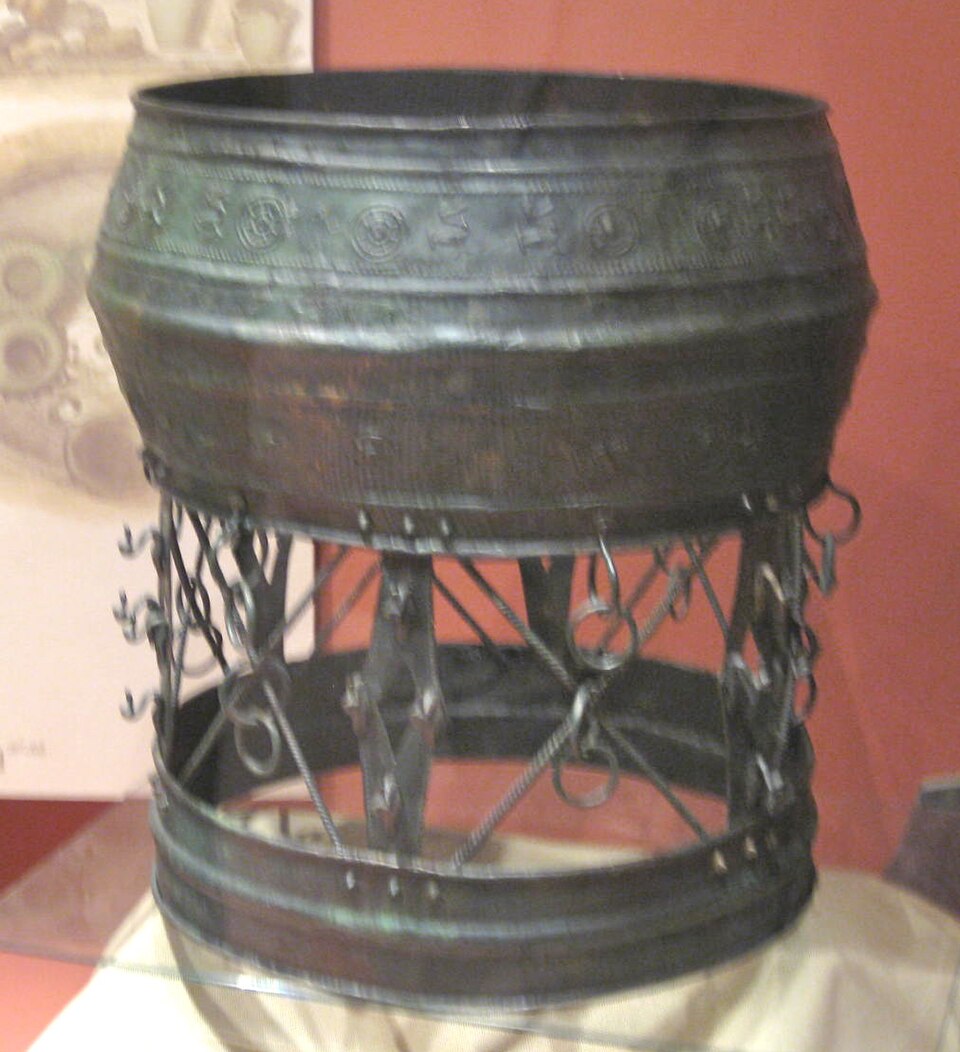
Hallstatt is known for its production of salt, dating back to prehistoric times, and gave its name to the Hallstatt culture, the archaeological culture linked to Proto-Celtic and early Celtic people of the Early Iron Age in Europe, c. 800-450 BC.
Hallstatt is at the core of the Hallstatt-Dachstein/Salzkammergut Cultural Landscape declared as one of the World Heritage Sites in Austria by UNESCO in 1997. It is an area of overtourism.
Further reading
- Salt In Prehistoric Europe · Anthony Harding (2013)Covers the history of salt production and trade in prehistoric Europe, including prehistoric salt mines.Find a copy: AbeBooks · Amazon · WorldCat
- Celtic art · M. Ruth Megaw (1989)A study of Celtic art that includes the Hallstatt period.Find a copy: AbeBooks · Amazon · WorldCat
Hallstatt Salt Mine Slide is one of the 3D puzzles in World Artifacts: turn a cloud of broken pieces until it lines up. For iPhone, iPad, Apple Vision Pro and Android.

