World Artifacts › Atlas › Austria
Schnabelperchten
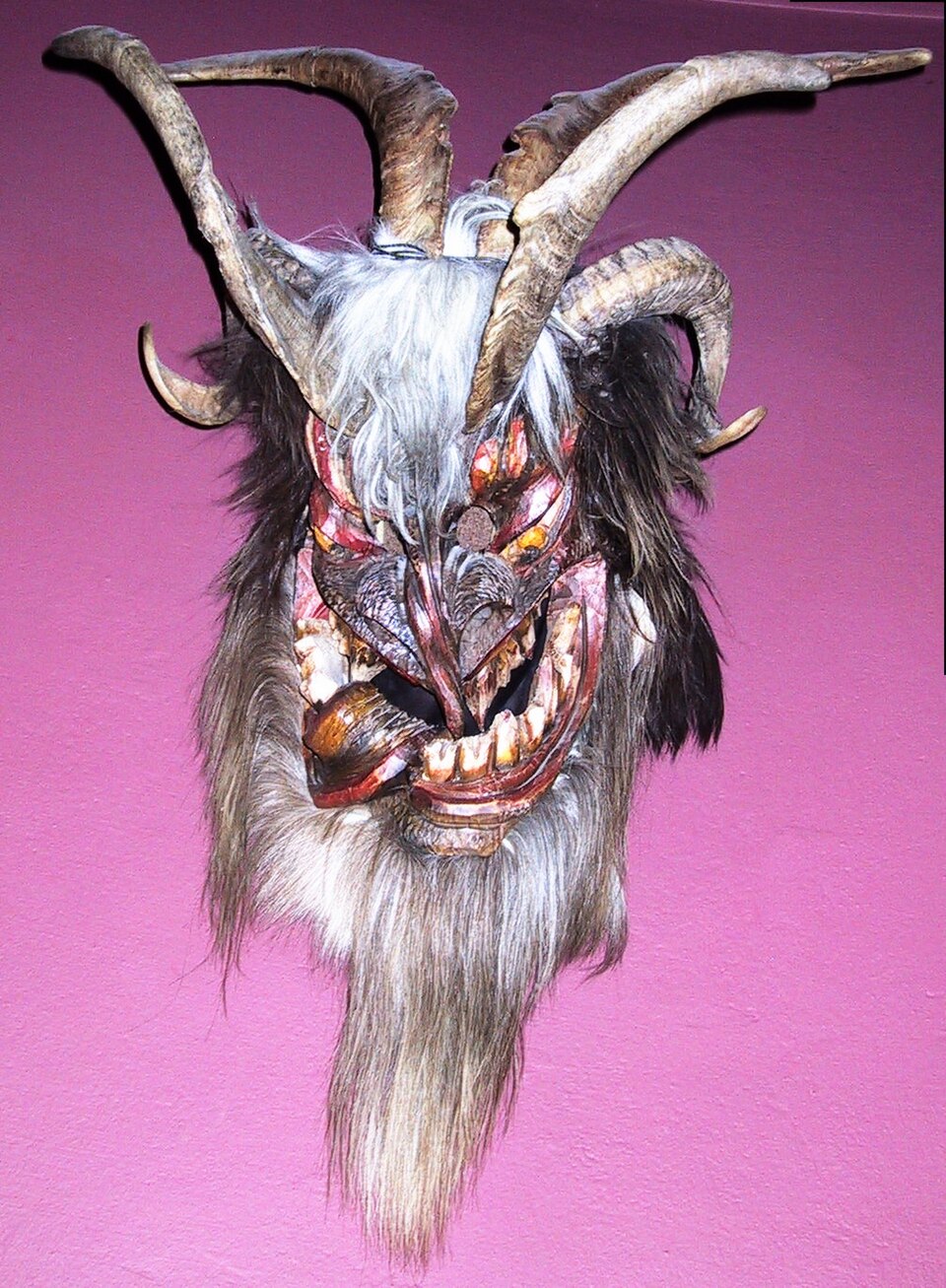
The Schnabelperchten of the Salzburg valleys wear a long white beak and go house to house in early January inspecting whether the cleaning has been done. Anyone judged idle is threatened with having their belly cut open and stuffed with straw, which is folklore's usual level of tact.
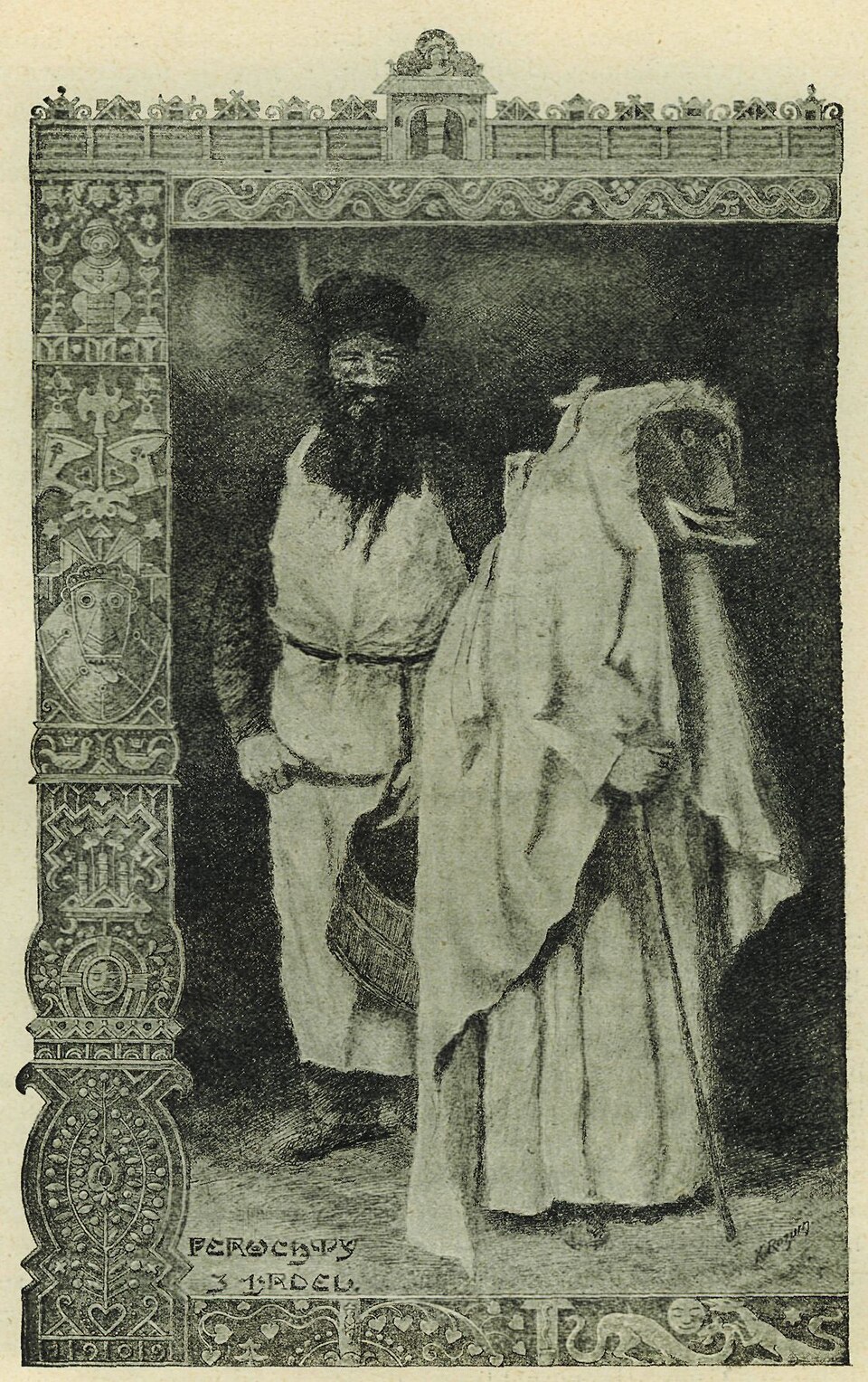
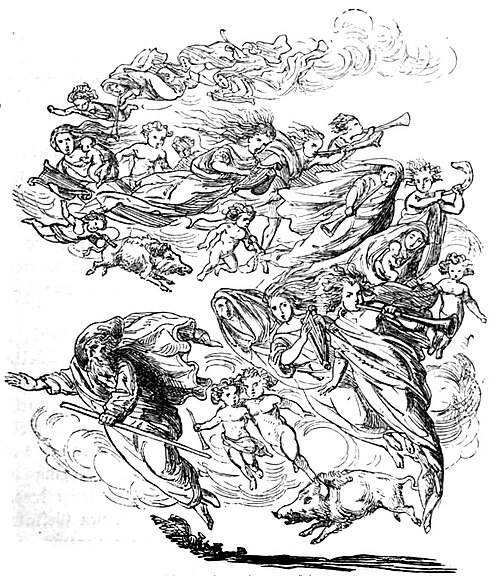
Perchta or Berchta ('Bertha'; German: [ˈpɛʁçta, ˈbɛʁçta]), also commonly known as Percht (German: [ˈpɛʁçt]) and other variations, was thought to be a goddess in Alpine paganism in the Upper German and also Austrian and Slovenian regions of the Alps.
The Perchta/Berchta lore holds sway "precisely [in the areas] where Holda leaves off", thus complementing each other. For Perchta is often identified as stemming from the same Germanic goddess as Holda and other female figures of Germanic folklore (see Frija-Frigg). They both oversee spinning, share the role of guardian of woodland beasts. Perchta is Holda's southern cousin or equivalent, as they both share and appear during the Twelve Days of Christmas.
Schnabelperchten is one of the 3D puzzles in World Artifacts: turn a cloud of broken pieces until it lines up. For iPhone, iPad, Apple Vision Pro and Android.

