World Artifacts › Atlas › Austria
Vienna Siege Cannon
The Ottoman siege of 1683 ended with the arrival of a relief army, and the story goes that the retreating Turks left sacks of coffee which a spy turned into Vienna's first coffee house. The coffee houses are real; the origin story is almost certainly a later invention.
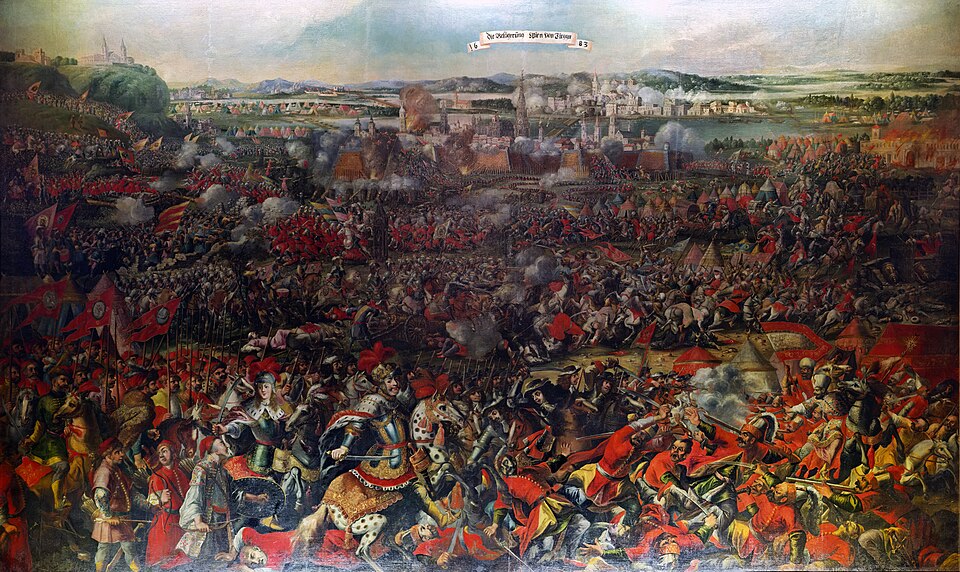
The Battle of Vienna took place at Kahlenberg Mountain near Vienna on 12 September 1683 after the city had been besieged by the Ottoman Empire for two months. The battle was fought between an Ottoman army commanded by Grand Vizier Kara Mustafa Pasha and a coalition of Imperial German and Polish Crown forces under the overall command of King John III Sobieski of the Polish-Lithuanian Commonwealth. The main Lithuanian army did not arrive in time to participate in the battle.
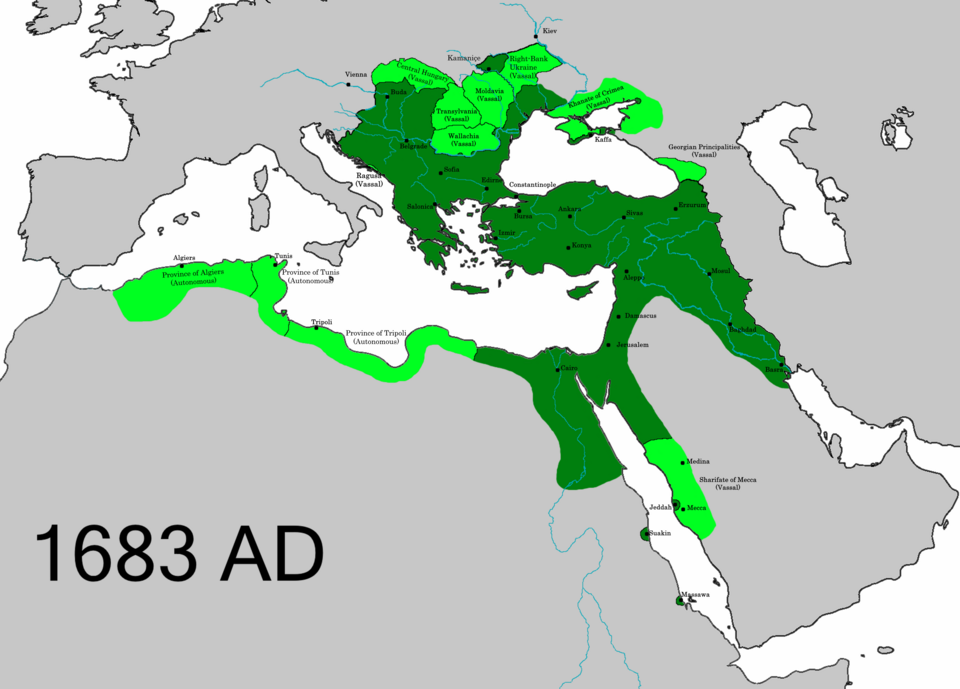
The battle was won by the combined forces of the Holy Roman Empire and the Polish-Lithuanian Commonwealth, marking the beginning of their military cooperation against the Ottomans.
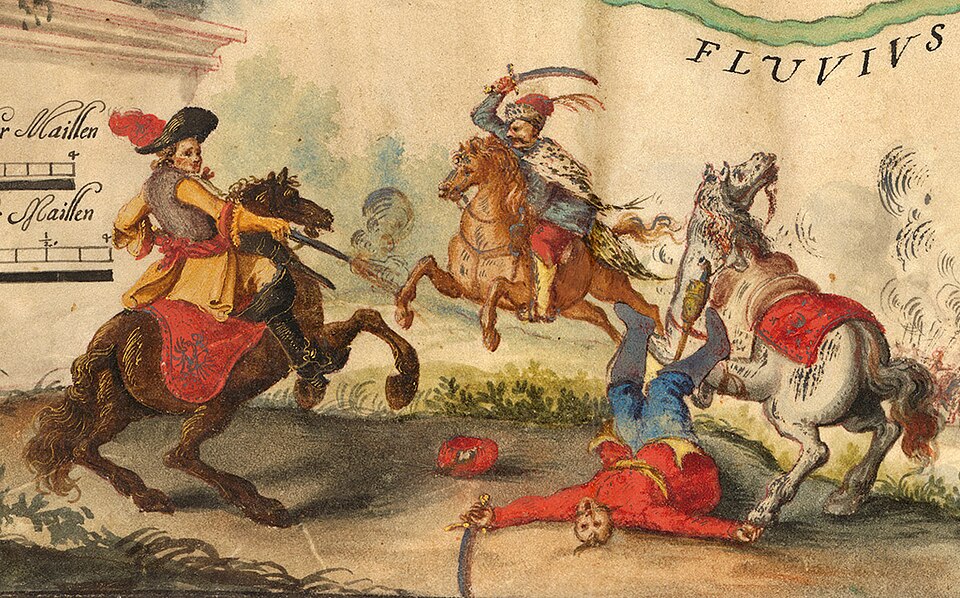
Some historians maintain that the battle marked a turning point in the Ottoman-Habsburg wars, a 300-year struggle between the Holy Roman and Ottoman Empires. It represented the culmination of 150 years of intense military tension following the failed 1529 siege of Vienna. In the ensuing war that lasted until 1699, the Holy Roman Empire consolidated territorial gains resulting in most of Ottoman Hungary being ceded to Leopold I, Holy Roman Emperor.
Further reading
Vienna Siege Cannon is one of the 3D puzzles in World Artifacts: turn a cloud of broken pieces until it lines up. For iPhone, iPad, Apple Vision Pro and Android.

