World Artifacts › Atlas › Australia
Aboriginal Rock Art
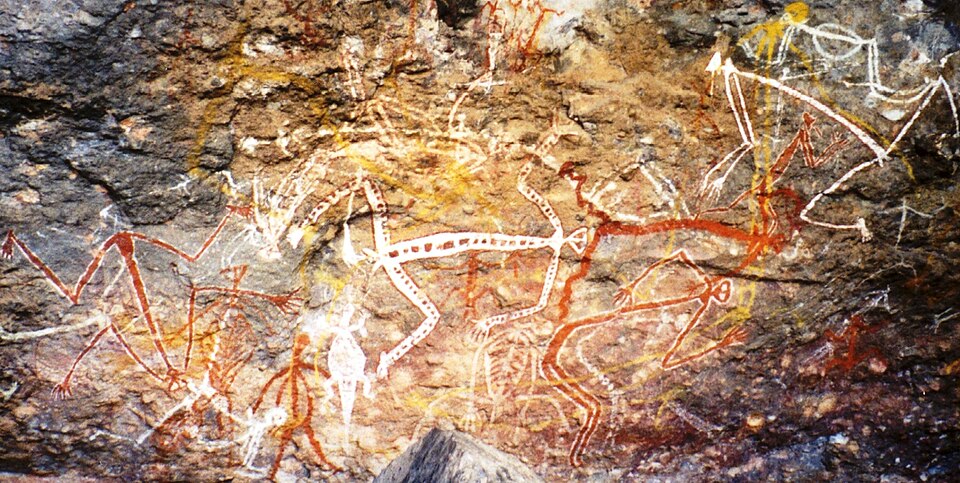
The X-ray style shows the bones and organs inside the animal, which is knowledge of the kill as much as a picture of it. Many sites have been repainted over thousands of years, because maintaining the image is part of the tradition.
In archaeology, rock art refers to human-made markings placed on natural surfaces, typically vertical stone surfaces. A high proportion of surviving historic and prehistoric rock art is found in caves or partly enclosed rock shelters; this type also may be called cave art or parietal art. A global phenomenon, rock art is found in many culturally diverse regions of the world. It has been produced in many contexts throughout human history. In terms of technique, the four main groups are:
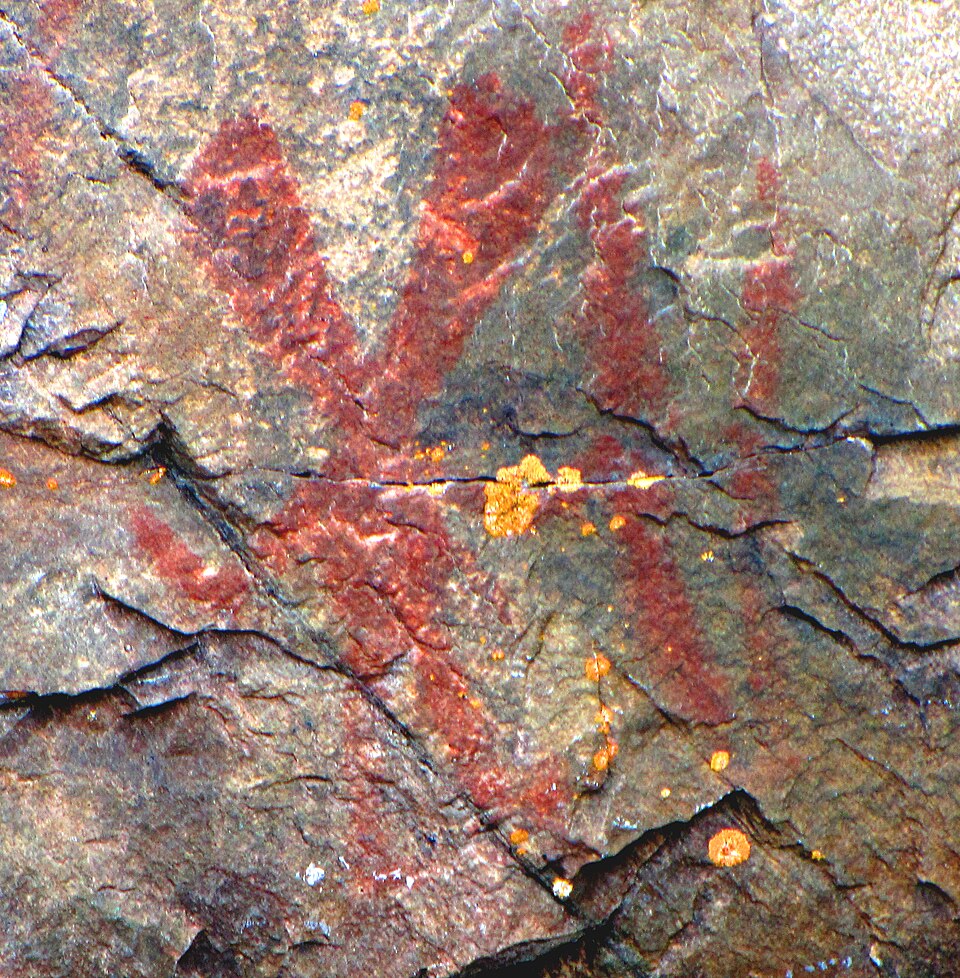
cave paintings and petrographs,
petroglyphs, which are carved or scratched into the rock surface,
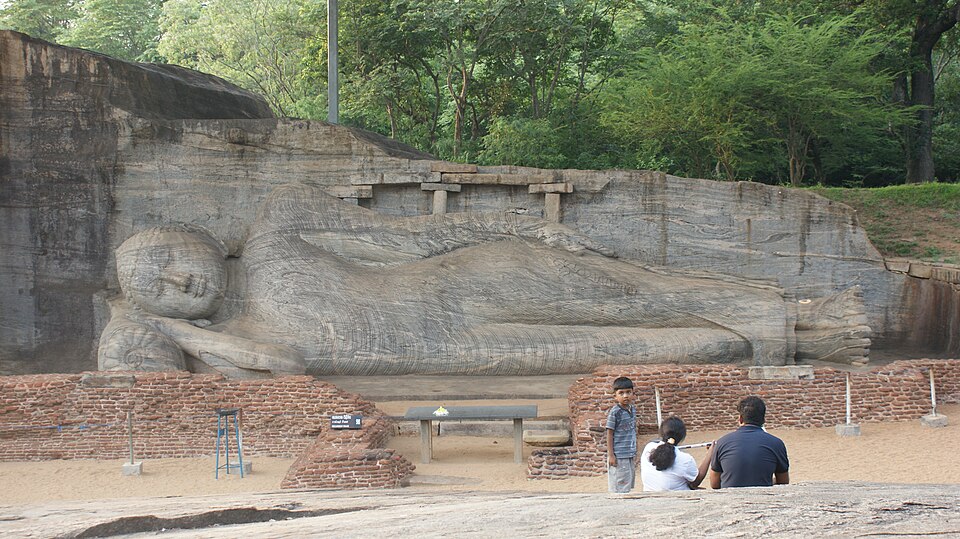
sculpted rock reliefs, and
geoglyphs, which are formed on the ground.
The oldest known rock art dates from the Upper Palaeolithic period, having been found in Europe, Australia, Asia, and Africa. Anthropologists studying these artworks believe that they likely had magico-religious significance.
In scholarly texts, a petroglyph is a rock engraving, whereas a petrograph or pictograph is a rock painting. In common usage, the words are sometimes used interchangeably.
Further reading
- Rock art of the dreamtime · Josephine Flood (1997)A study of Aboriginal Australian rock paintings and petroglyphs and their antiquity.Find a copy: AbeBooks · Amazon · WorldCat
- Journey in Time · George Chaloupka (1993)A book on Aboriginal rock paintings and Australian indigenous art, by an author who studied the rock art.Find a copy: AbeBooks · Amazon · WorldCat
Aboriginal Rock Art is one of the 3D puzzles in World Artifacts: turn a cloud of broken pieces until it lines up. For iPhone, iPad, Apple Vision Pro and Android.

