World Artifacts › Atlas › Australia
Afghan Camel Train
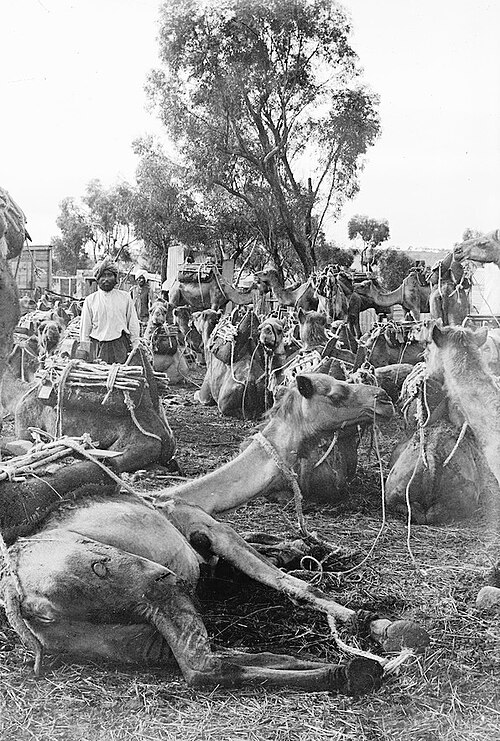
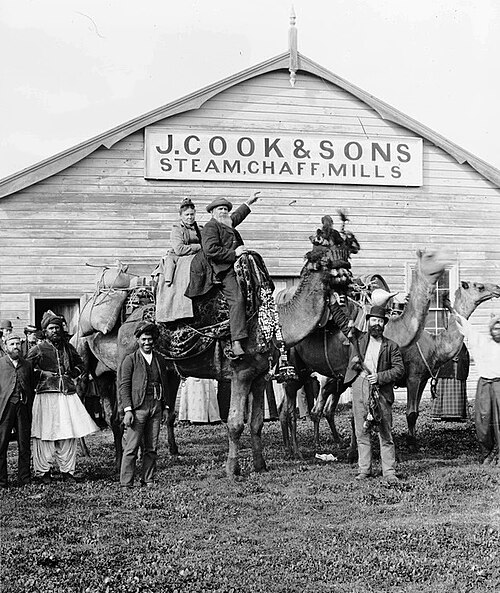
The men who ran camel trains into the interior came mostly from what is now Pakistan and Afghanistan, and everything from telegraph poles to pianos went inland on their animals. The camels turned loose when the trucks came are now the largest feral camel herd on earth.
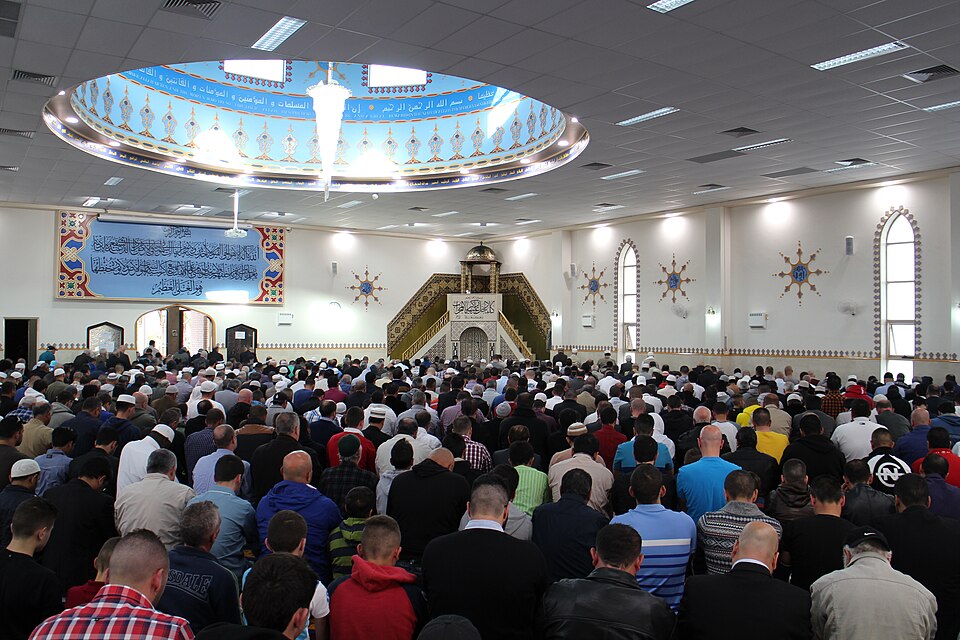
Afghan cameleers in Australia, also known as "Afghans" (Pashto: افغانان) or "Ghans" (Pashto: غانز), were camel drivers who worked in Outback Australia from the 1860s to the 1930s. Small groups of cameleers were shipped in and out of Australia at three-year intervals, to service the Australian inland industry by carting goods and transporting wool bales by camel trains. They were commonly referred to as "Afghans", even though the majority of them originated from the western parts of British India like Balochistan, Punjab, Sindh, the North-West Frontier Province (inhabited by ethnic Pashtuns who were historically known as Afghans), and other nearby regions. However, some of the cameleers were indeed from Afghanistan. In addition, there were also some with origins in Egypt and Turkey. The majority of cameleers, including cameleers from British and rest-house outposts, known as caravanserai, throughout inland Australia, creating a permanent link between the coastal cities and the remote cattle and sheep grazing stations until about the 1930s, when they were largely replaced by the automobile. They provided vital support to exploration, communications and settlement in the arid interior of the country where the climate was too harsh for horses. They also played a major role in establishing Islam in Australia, building the country's first mosque at Marree in South Australia in 1861, the Central Adelaide Mosque (the first permanent mosque in Adelaide, still in use today), and several mosques in Western Australia.
Further reading
- Australia's Muslim cameleers · Philip G. Jones (2007)A history of Muslim cameleers and their camels in Australia.Find a copy: AbeBooks · Amazon · WorldCat
- Tin mosques & ghantowns · Stevens, Christine (1989)Covers the Afghan cameleers, their camels, ghantowns and mosques, and their role in exploration and ethnic relations.Find a copy: AbeBooks · Amazon · WorldCat
Afghan Camel Train is one of the 3D puzzles in World Artifacts: turn a cloud of broken pieces until it lines up. For iPhone, iPad, Apple Vision Pro and Android.

