World Artifacts › Atlas › Australia
Convict Ball and Chain
About 162,000 convicts were shipped out, most of them for theft, and many were assigned to work for settlers rather than kept in cells. The ball and chain was a punishment for those who reoffended after arriving.
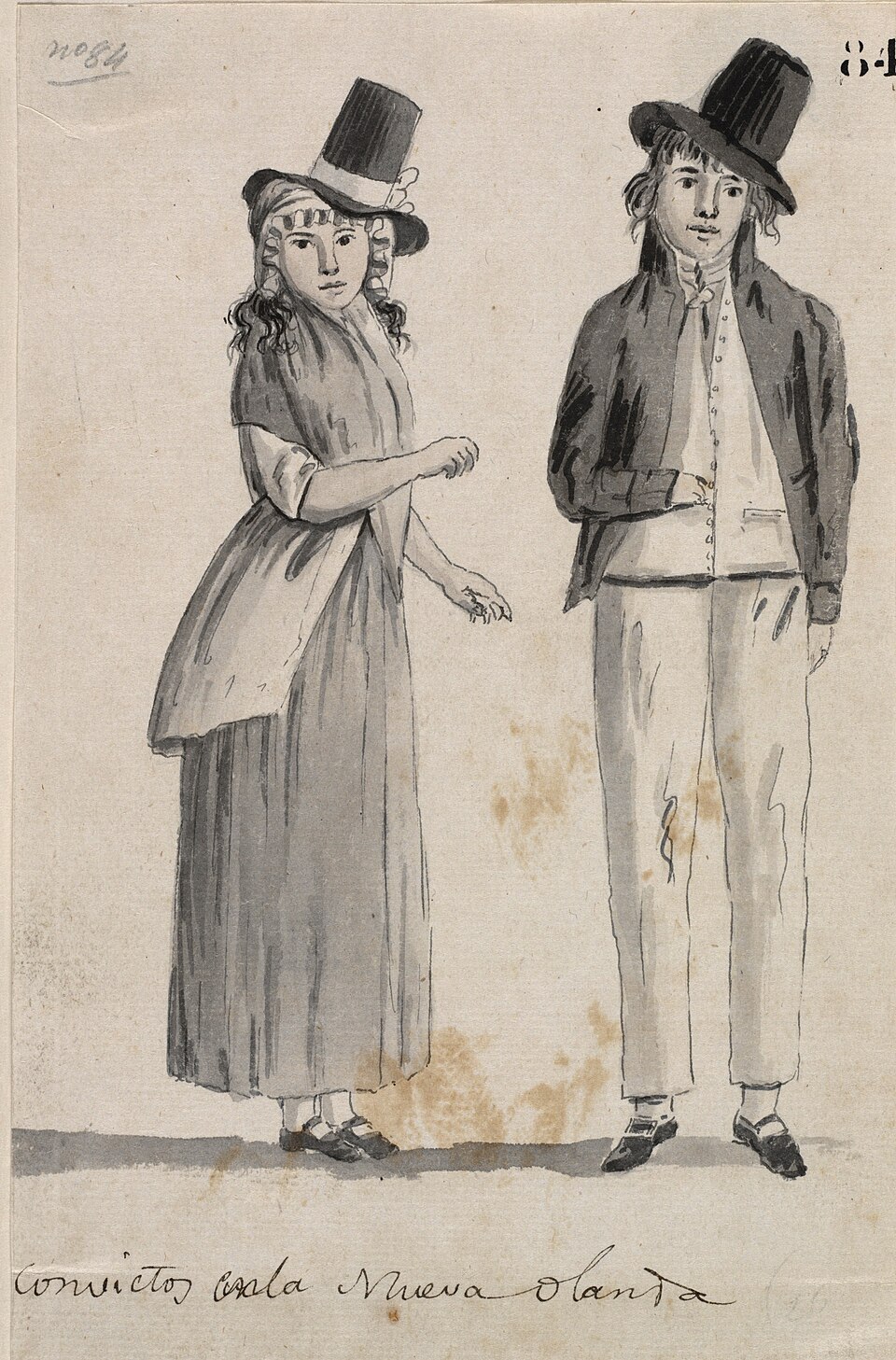
Between 1784 and 1868 the British penal system transported about 162,000 convicts from Great Britain and Ireland to various penal colonies in Australia.
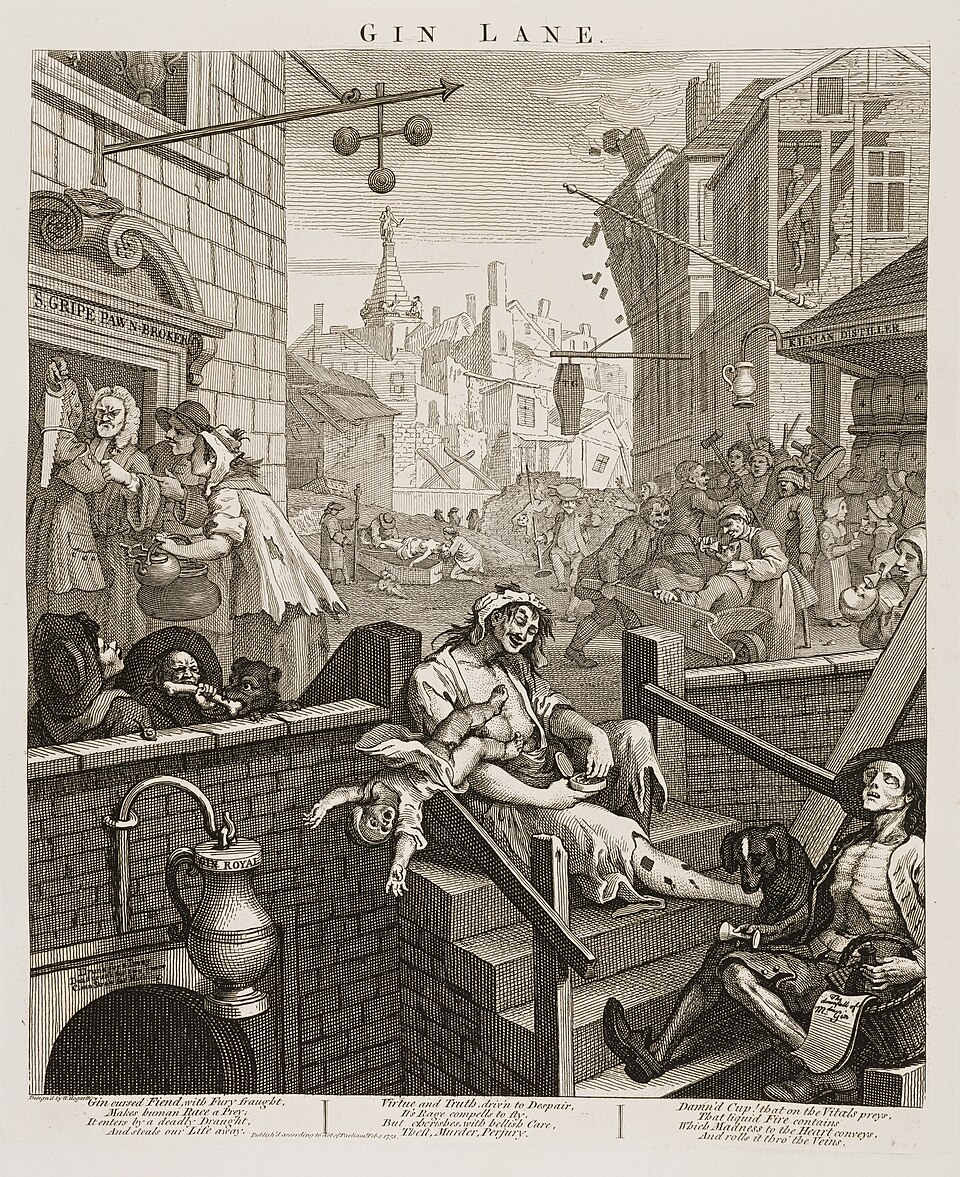
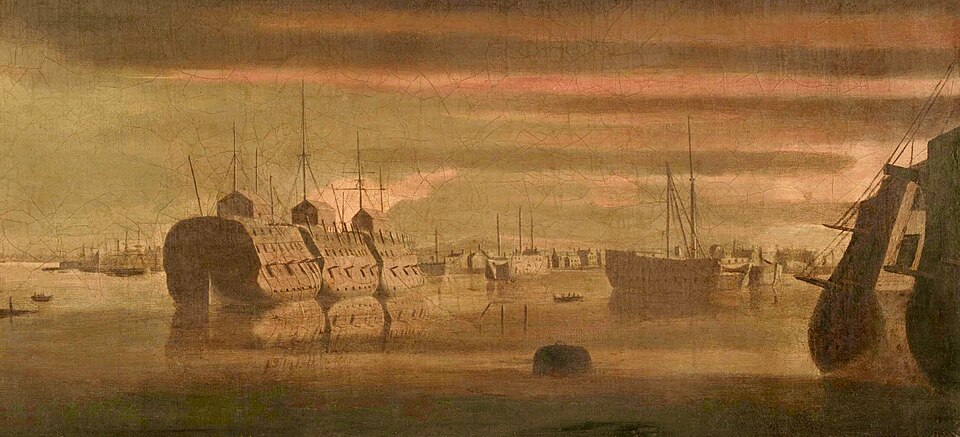
The British Government began transporting convicts overseas to American colonies in the early 18th century. After trans-Atlantic transportation ended with the start of the American Revolution, authorities sought an alternative destination to relieve further overcrowding of British prisons and hulks. Earlier in 1770, James Cook had charted and claimed possession of the east coast of Australia for Great Britain. Seeking to prevent the French colonial empire from expanding into the region, Great Britain chose Australia as the site of a penal colony, and in 1787, the First Fleet of eleven convict ships set sail for Botany Bay, arriving on 20 January 1788 to found Sydney, New South Wales, the first European settlement on the continent. Other penal colonies were later established in Van Diemen's Land (Tasmania) in 1803 and Queensland in 1824. Western Australia - established as the Swan River Colony in 1829 - initially was intended solely for free settlers, but commenced receiving convicts in 1850. South Australia and Victoria, established in 1836 and 1850 respectively, officially remained free colonies. However, a population that included thousands of convicts already resided in the area that became known as Victoria.
Further reading
- The fatal shore · Robert Hughes (1986)A history of the penal colonies and the transportation of convicts to Australia.Find a copy: AbeBooks · Amazon · WorldCat
- Convicts and the colonies · A. G. L. Shaw (1966)A study of British penal transportation and convicts in the Australian colonies, including crime and punishment.Find a copy: AbeBooks · Amazon · WorldCat
Convict Ball and Chain is one of the 3D puzzles in World Artifacts: turn a cloud of broken pieces until it lines up. For iPhone, iPad, Apple Vision Pro and Android.

