World Artifacts › Atlas › Australia
Echidna
The echidna lays eggs like the platypus and has no teeth, crushing ants between its tongue and the roof of its mouth. Its body runs cool, and it can drop into torpor to sit out a bushfire underground.
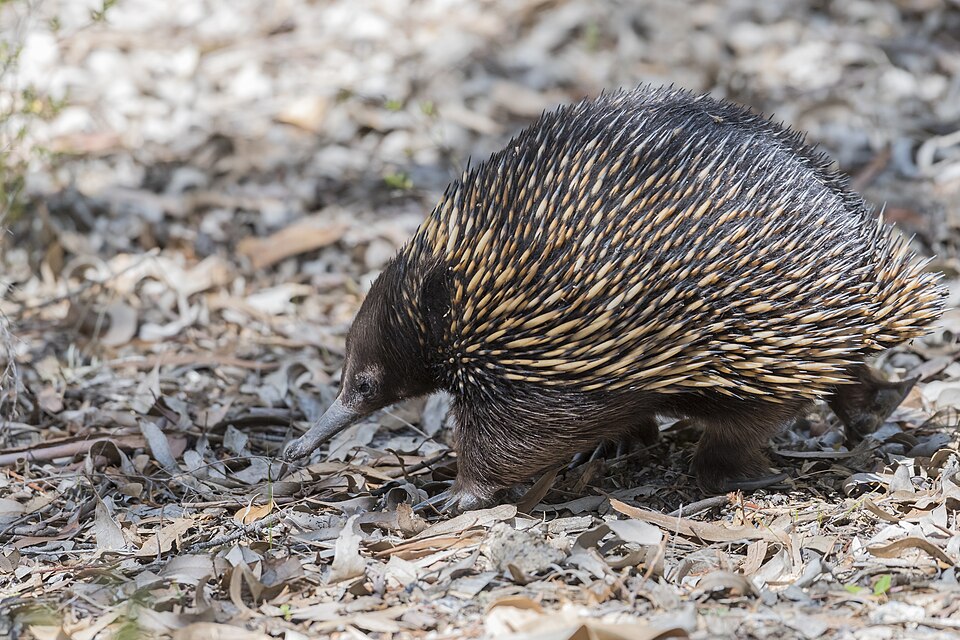
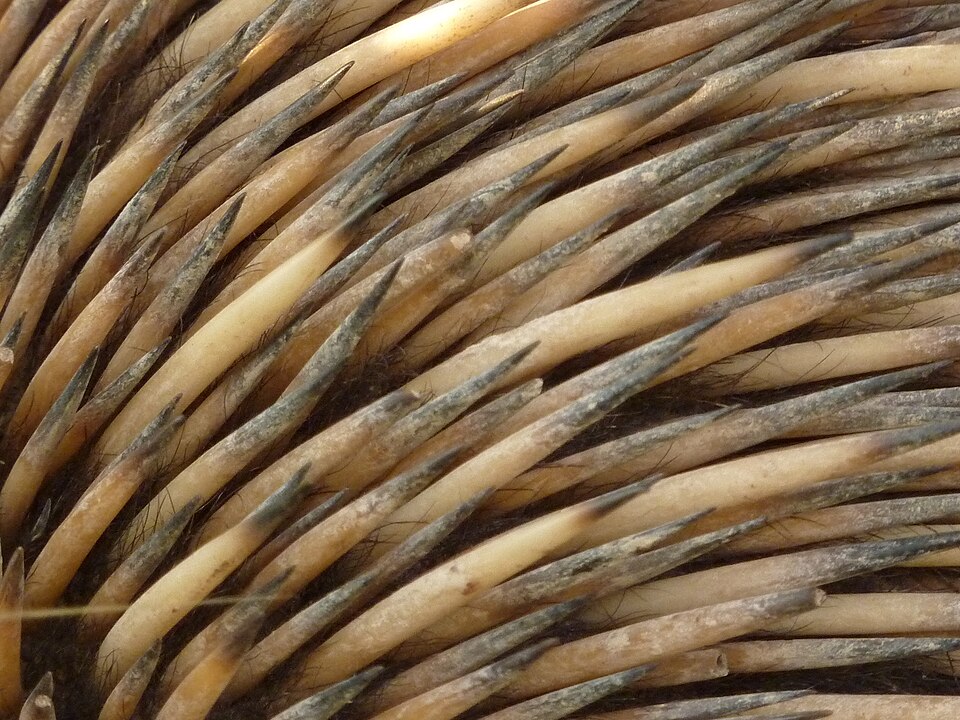
Echidnas (), sometimes known as spiny anteaters, are quill-covered monotremes (egg-laying mammals) belonging to the family Tachyglossidae , living in Australia and New Guinea. The four extant species of echidnas and the platypus are the only living mammals that lay eggs and the only surviving members of the order Monotremata. The diet of some species consists of ants and termites, but they are not closely related to the American true anteaters or to hedgehogs. Their young are called puggles.
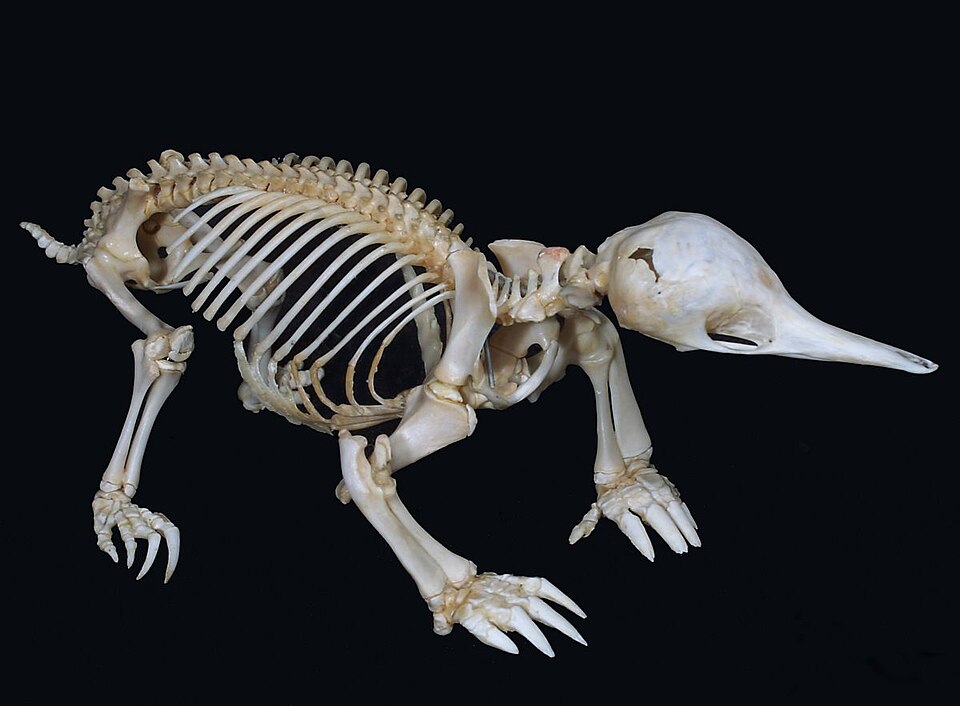
Echidnas evolved between 20 and 50 million years ago and descend from an amphibious, platypus-like monotreme.
Further reading
- Echidna · Michael L. Augee (2006)A book devoted to the echidna, covering its evolution, anatomy, behavior and reproduction.Find a copy: AbeBooks · Amazon · WorldCat
- The biology of the monotremes · Mervyn Griffiths (1978)Covers the biology of the monotremes, the group that includes the echidna and platypus.Find a copy: AbeBooks · Amazon · WorldCat
Echidna is one of the 3D puzzles in World Artifacts: turn a cloud of broken pieces until it lines up. For iPhone, iPad, Apple Vision Pro and Android.

