World Artifacts › Atlas › Azerbaijan
Ateshgah
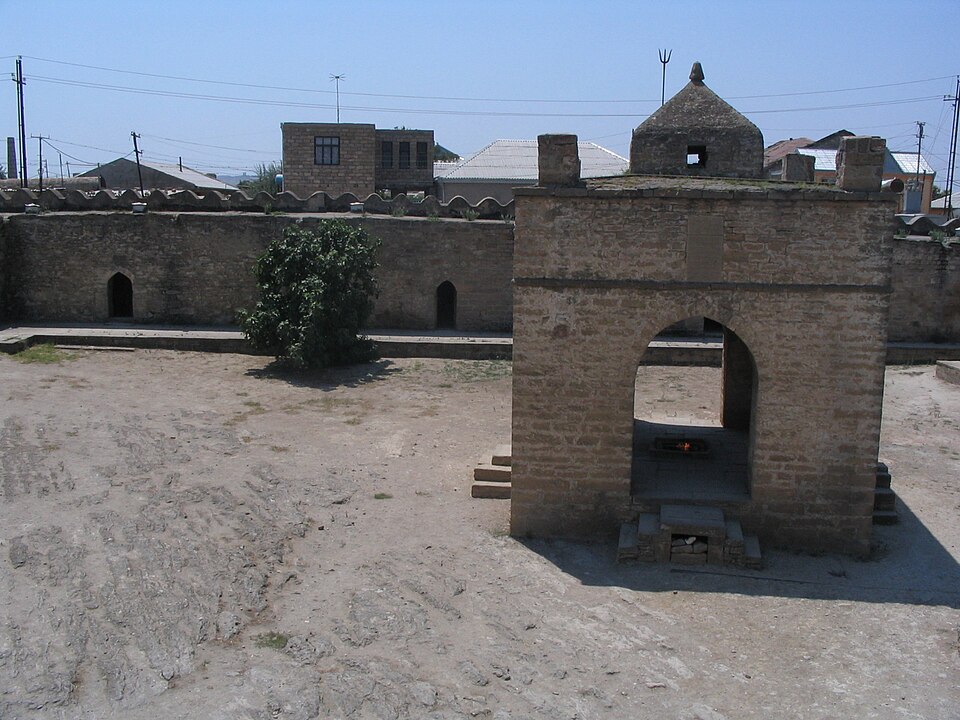
The fire temple.
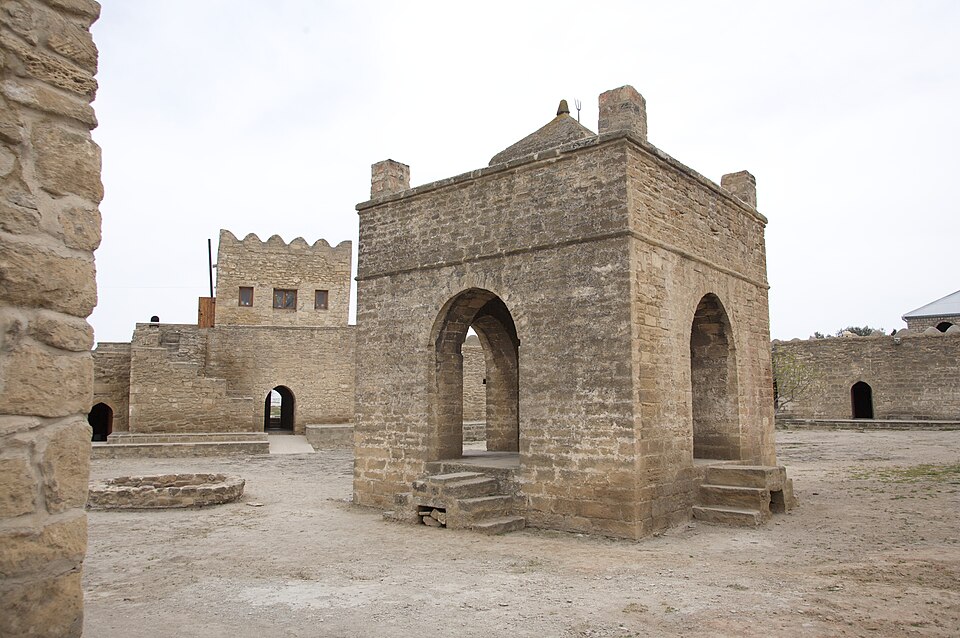
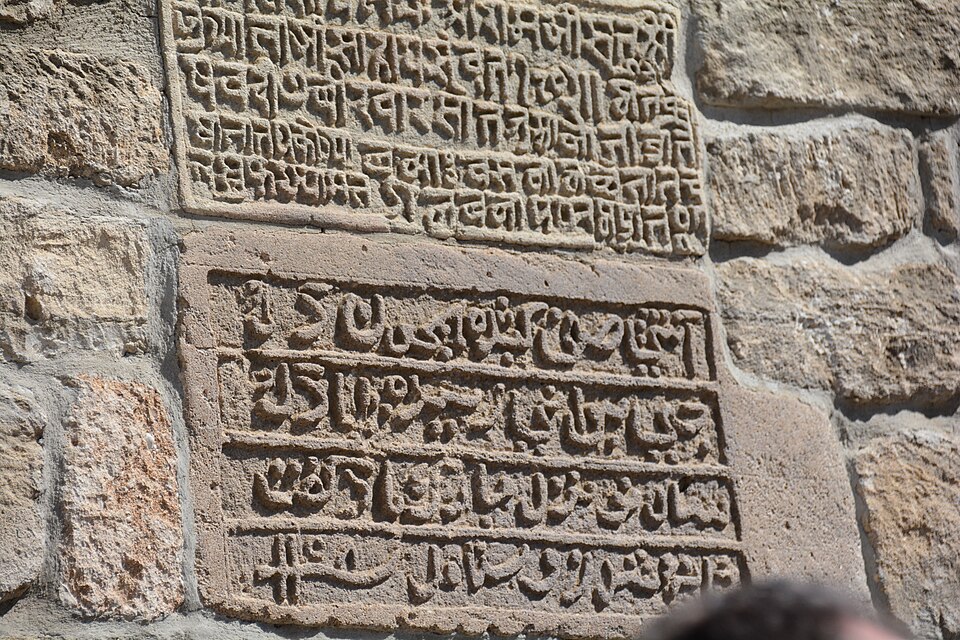
The Ateshgah of Baku (Persian: آتشگاه, romanized: Atashgah, Middle Persian/ Pahlavi: Ātaš-kadag, "place or house of fire"), Azerbaijani: Atəşgah), often called the "Fire Temple of Baku", is a syncretic temple in Surakhany town (in Surakhany raion).
Sarah Ashurbeyli notes that the Atsh is distorted Atesh (“fire”) and Atshi-Baguan means “Fires of Baguan”, referring to Baku. The word Baguan comes from the word Baga, which means “God” in Old Persian, and Bhaga.
Baku gets its name from Bagavan/Bagawan/Baguan/Bhagawan. It was called Bagavan during the Sassanian rule (224-651 CE).
"Interestingly, the Avesta does not mention fire temples. In fact, the temple-cult of fire appears to have come into origin only in the latter part of the Achaemenian period i.e., around the fourth century BCE. In Zoroastrianism, the temples of sacred fires were established on hills or high places. It is noteworthy, as commanded by their spiritual leader, the Zoroastrians do not consider themselves as fire worshippers. They simply believe the fire to be an instrument of purity and a symbol of truth and righteousness that helps them in focusing their thoughts Ahura, their supreme God. It was most probably for this reason that cremation came to be rejected in Zoroastrianism whereas in Hinduism it became a universal phenomenon."
Further reading
Ateshgah is one of the 3D puzzles in World Artifacts: turn a cloud of broken pieces until it lines up. For iPhone, iPad, Apple Vision Pro and Android.

