World Artifacts › Atlas › Bangladesh
Clay Doll
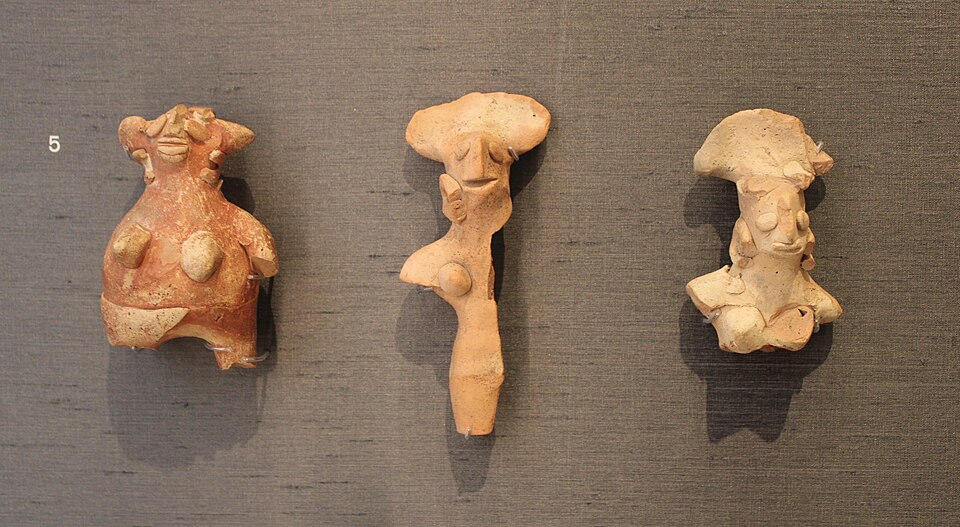
The terracotta doll.
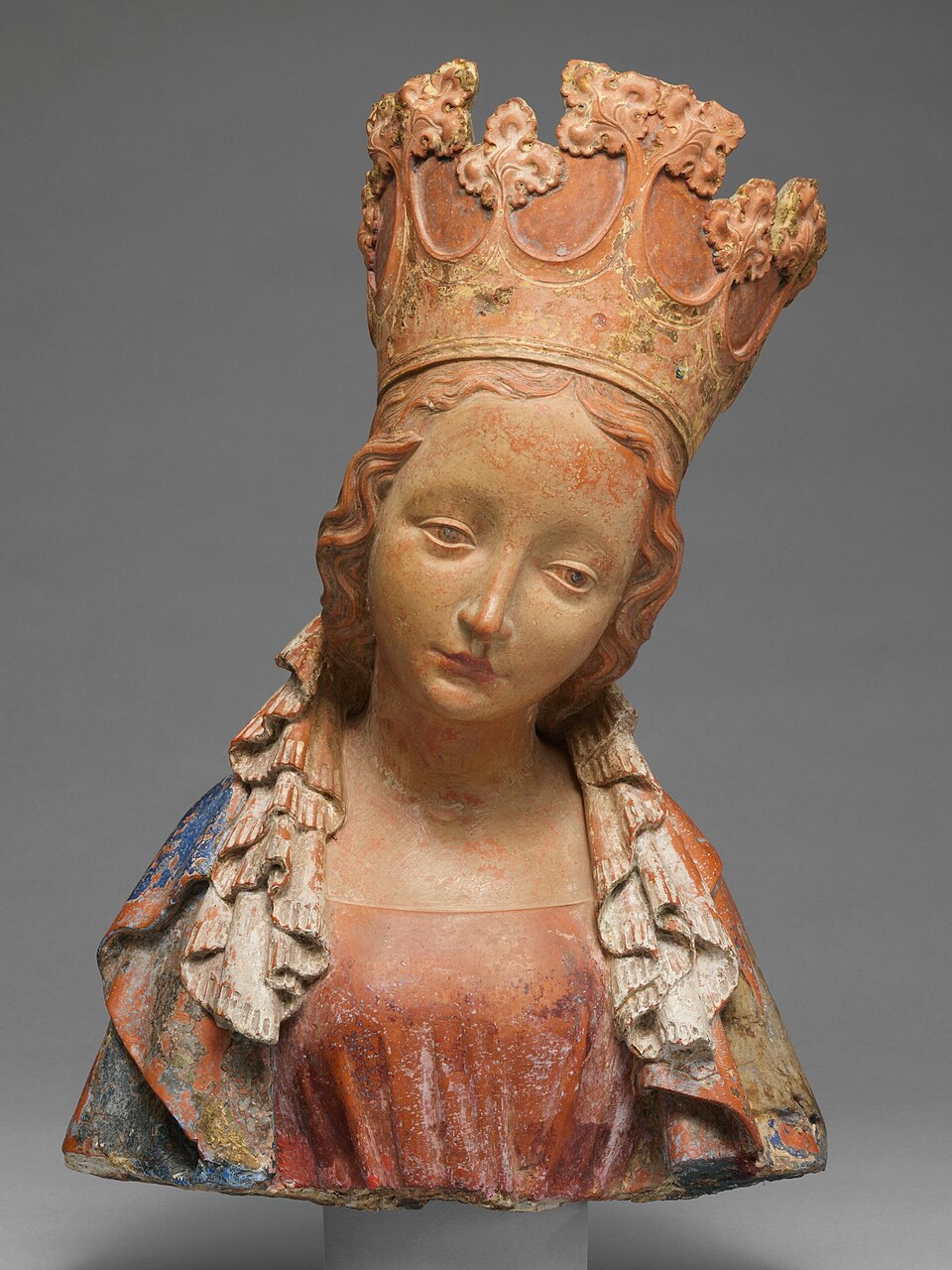
Terracotta, also known as terra cotta or terra-cotta (Italian: [ˌtɛrraˈkɔtta]; lit. 'baked earth'; from Latin terra cocta 'cooked earth'), is a clay-based non-vitreous ceramic fired at relatively low temperatures. The term is used for earthenware objects of certain types, as set out below.
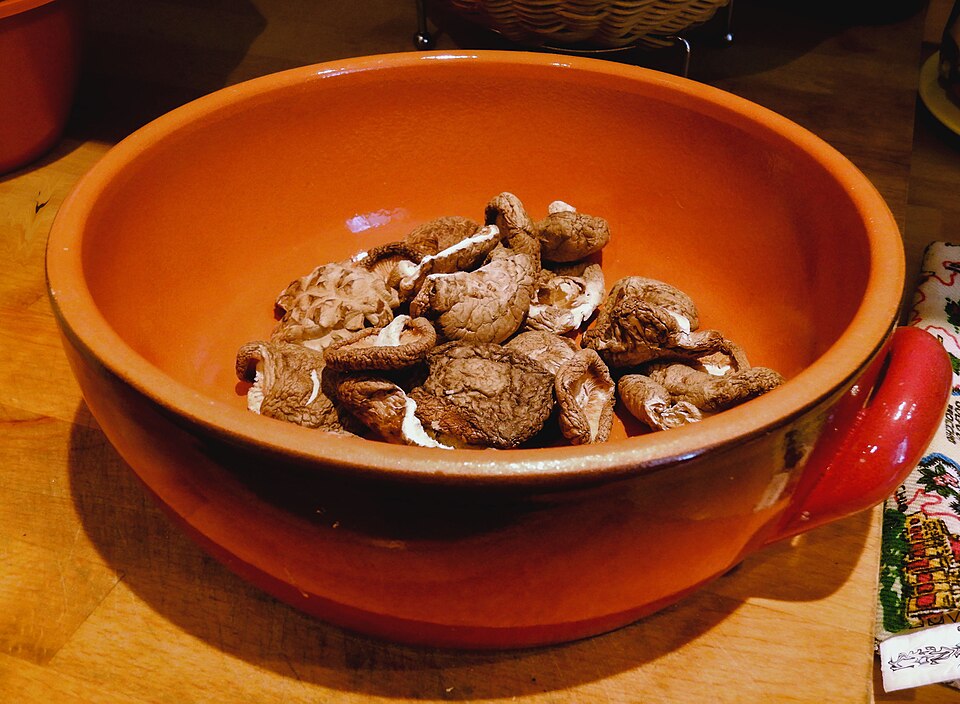
Usage and definitions of the term vary, such as:
In art, pottery, applied art, and craft, terracotta is a term often used for red-coloured earthenware sculptures or functional articles such as flower pots, water and waste water pipes, and tableware.
In archaeology and art history, terracotta is often used to describe objects such as figurines and loom weights not made on a potter's wheel, with vessels and other objects made on a wheel from the same material referred to as earthenware; the choice of term depends on the type of object rather than the material or shaping technique.
Terracotta is also used to refer to the natural brownish-orange color of most terracotta.
In architecture, the term encompasses many building materials made of fired ceramic for exterior covering. Architectural terracotta can also refer to ornate decorative ceramic elements such as antefixes and revetments, which had a large impact on the appearance of temples and other buildings in the classical architecture of Europe, as well as in the Ancient Near East.
Further reading
Clay Doll is one of the 3D puzzles in World Artifacts: turn a cloud of broken pieces until it lines up. For iPhone, iPad, Apple Vision Pro and Android.

