World Artifacts › Atlas › Belgium
Adolphe Sax's Saxophone
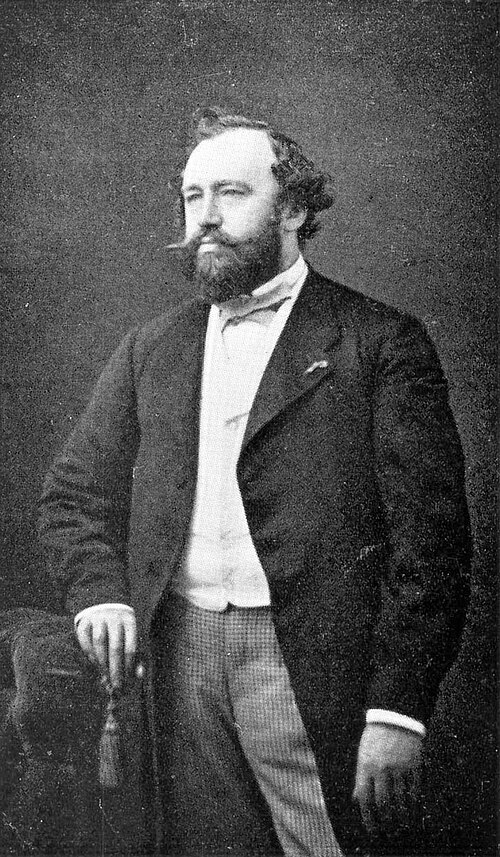
Adolphe Sax invented an instrument to bridge the gap between brass and woodwind in a military band, and patented it in 1846. He survived falling from a window, swallowing a needle, drinking sulphuric acid and a gunpowder explosion as a child, and died bankrupt.
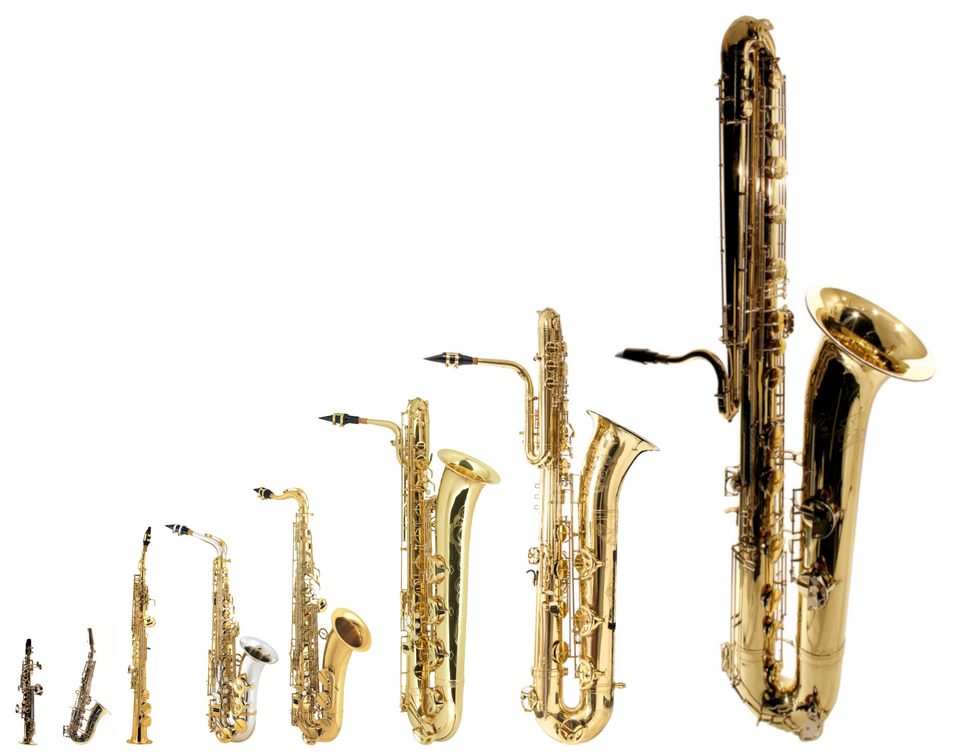
The saxophone (often referred to colloquially as the sax) is a type of single-reed woodwind instrument with a conical body, usually made of brass. As with all single-reed instruments, sound is produced when a reed on a mouthpiece vibrates to produce a sound wave inside the instrument's body. The pitch is controlled by opening and closing holes in the body to change the effective length of the tube. The holes are closed by leather pads attached to keys operated by the player. Saxophones are made in various sizes and are almost always treated as transposing instruments. A person who plays the saxophone is called a saxophonist or saxist.
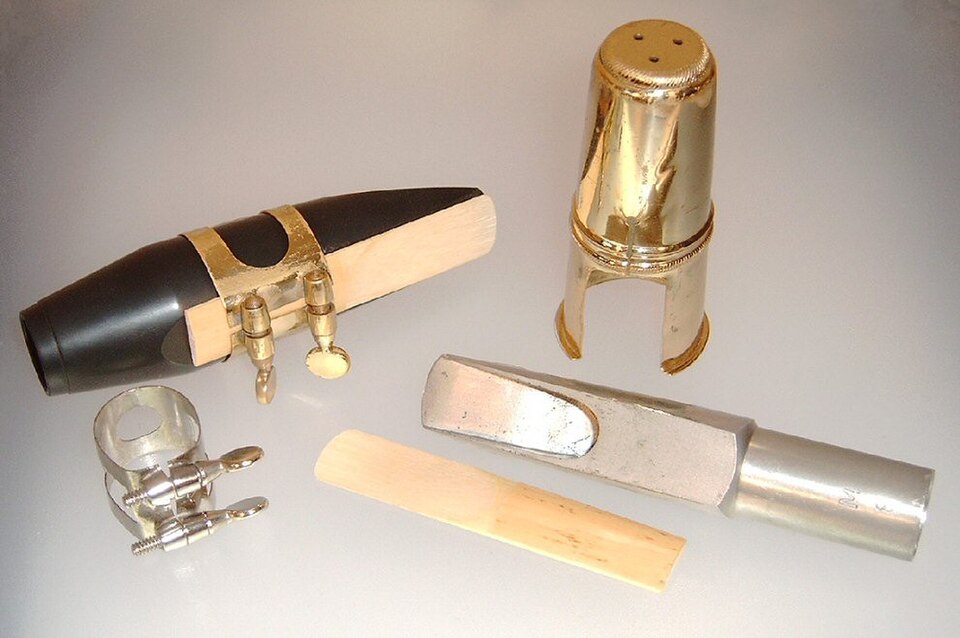
The saxophone is used in a wide range of musical styles, including classical music (such as concert bands, chamber music, solo repertoire, and occasionally orchestras), military bands, marching bands, jazz (such as big bands and jazz combos), and contemporary music. The saxophone is also used as a solo and melody instrument or as a member of a horn section in some styles of rock and roll and popular music.
Further reading
- Adolphe Sax, 1814-1894 · Wally Horwood (1980)A biography of Adolphe Sax, the Belgian instrument maker and inventor, covering his life and work.Find a copy: AbeBooks · Amazon · WorldCat
- The saxophone · Stephen Cottrell (2013)A history of the saxophone as an instrument.Find a copy: AbeBooks · Amazon · WorldCat
Adolphe Sax's Saxophone is one of the 3D puzzles in World Artifacts: turn a cloud of broken pieces until it lines up. For iPhone, iPad, Apple Vision Pro and Android.

