World Artifacts › Atlas › Bulgaria
Samodiva
The forest nymph in a white gown with wings.
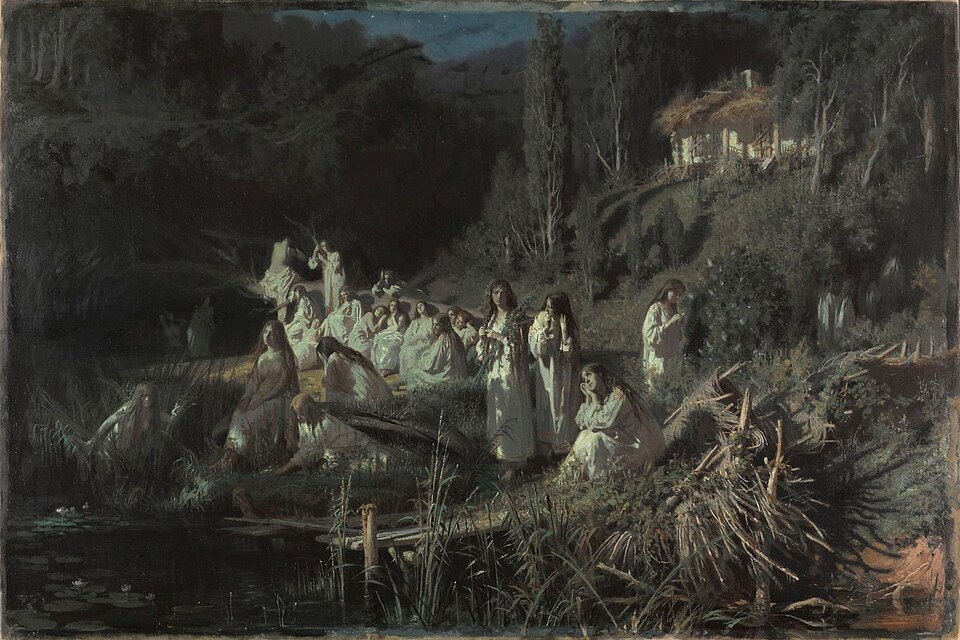
In Slavic folklore, the rusalka (plural: rusalki; Cyrillic: русалка, Russian pronunciation: [rʊˈsaɫkə] , plural: русалки; Polish: rusałka, plural: rusałki) is a female entity, often malicious toward mankind and frequently associated with water. It has counterparts in other parts of Europe, such as the French Melusine and the Germanic Nixie. Folklorists have proposed a variety of origins for the entity, including that they may originally stem from Slavic paganism, where they may have been seen as benevolent spirits. Rusalki appear in a variety of media in modern popular culture, particularly in Slavic language-speaking countries, where they frequently resemble the concept of the mermaid.
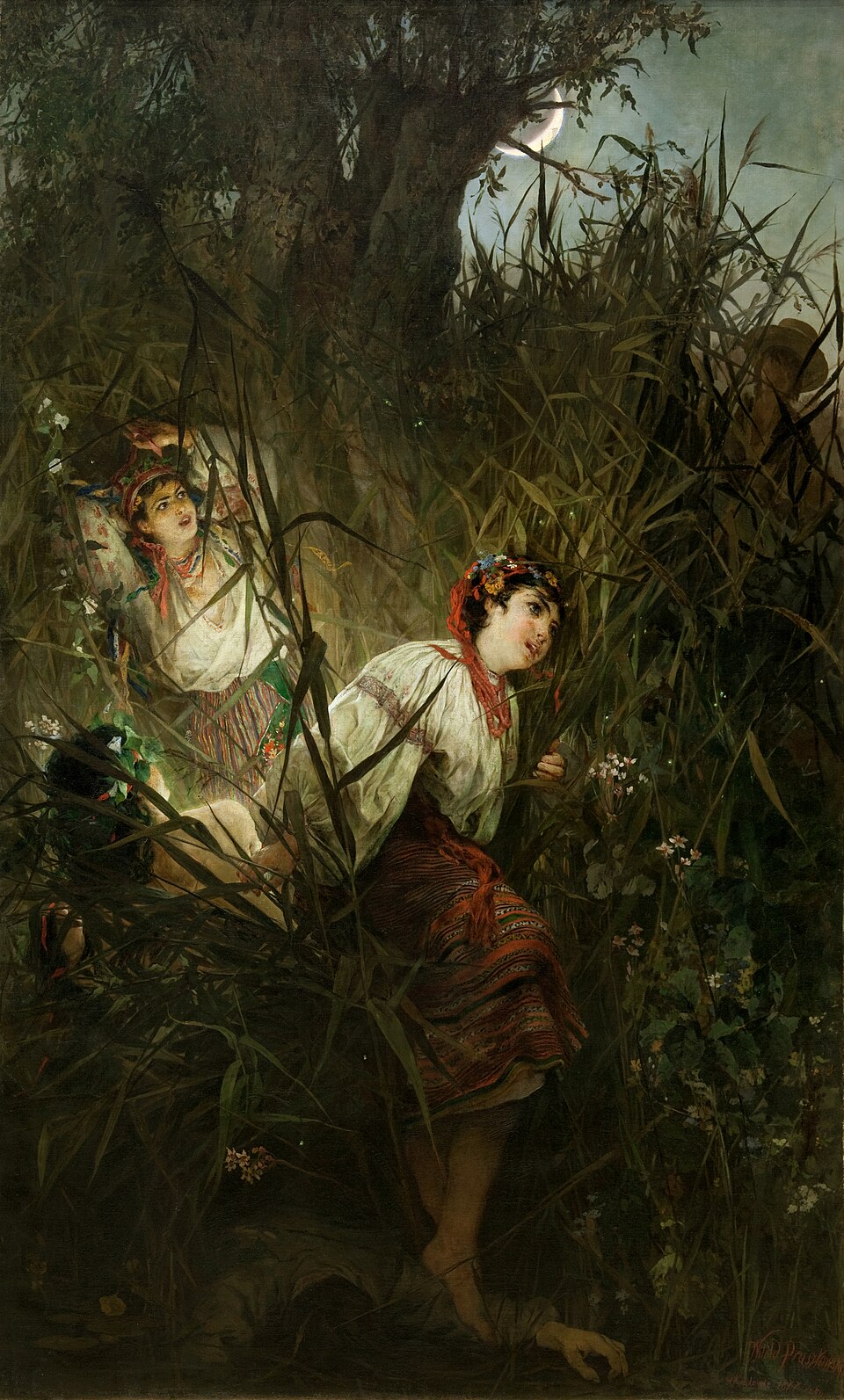
In northern Russia, the rusalka was also known by various names such as the vodyanitsa (or vodyanikha/vodyantikha; Russian: водяница, водяниха, водянтиха; lit. "she from the water" or "the water maiden"), kupalka (Russian: купалка; "bather"), shutovka (Russian: шутовка; "joker", "jester" or "prankster") and loskotukha (or shchekotukha, shchekotunya; Russian: лоскотуха, щекотуха, щекотунья; "tickler" or "she who tickles"). In Ukraine, the rusalka was called a mavka. Those names were more common until the 20th century, and the word rusalka was perceived by many people as bookish, scholarly.
Further reading
Samodiva is one of the 3D puzzles in World Artifacts: turn a cloud of broken pieces until it lines up. For iPhone, iPad, Apple Vision Pro and Android.

