World Artifacts › Atlas › Bahrain
Pearl Necklace
The string of pearls.
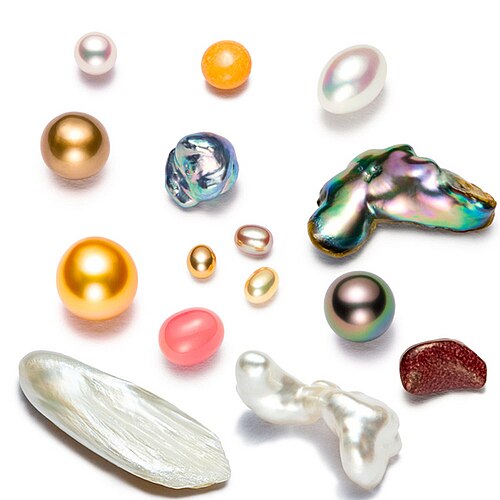
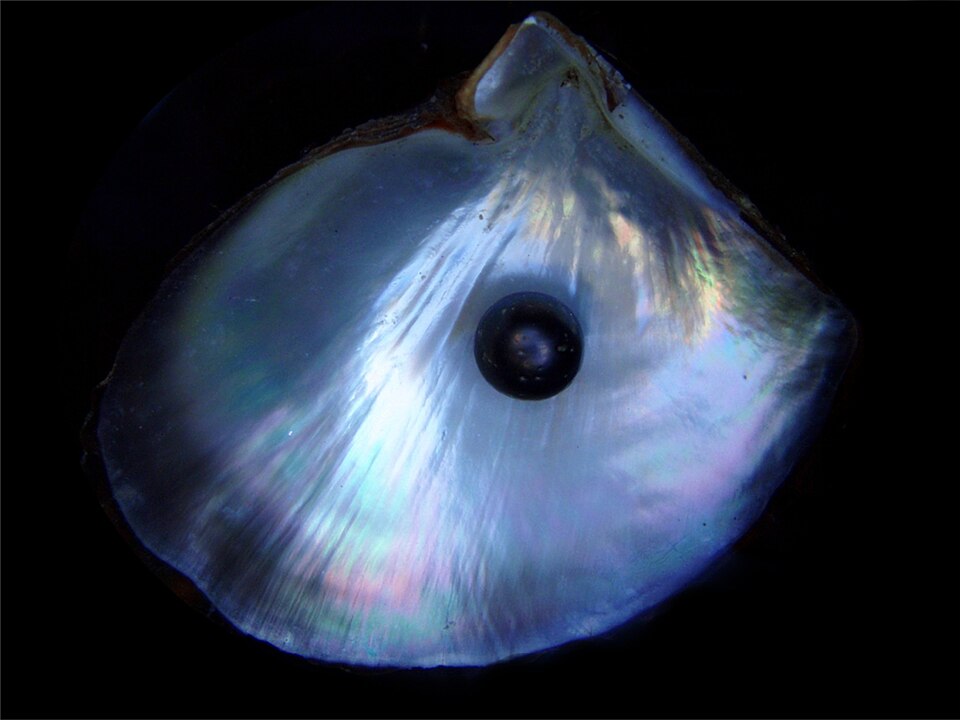
A pearl is a hard, shiny object produced within the soft tissue (specifically the mantle) of a living shelled mollusk. Like the shell of a mollusk, a pearl is composed of calcium carbonate (mainly aragonite or a mixture of aragonite and calcite) in a crystalline form, which is deposited in concentric layers. More commercially valuable pearls are perfectly round and smooth, but many other shapes, known as baroque pearls, can occur. The highest quality of natural pearls have been highly valued as gemstones and objects of beauty for many centuries. In literature, pearls have become a metaphor for something rare, fine, admirable, and valuable.
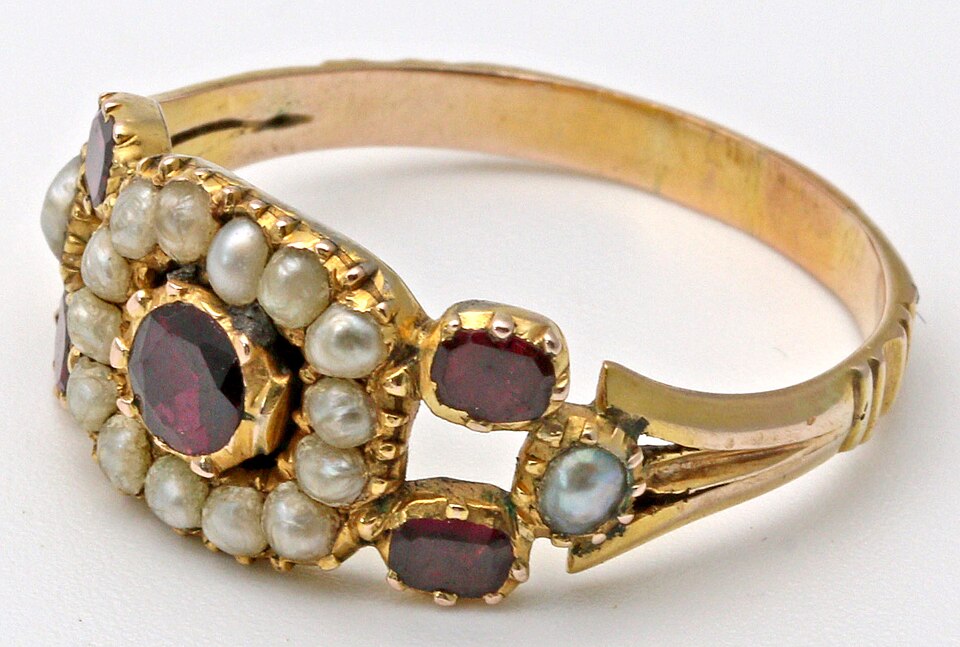
The most valuable pearls occur spontaneously in the wild but are extremely rare. These wild pearls are referred to as natural pearls. Cultured or farmed pearls from pearl oysters and freshwater mussels make up the majority of those currently sold. Imitation pearls are also widely sold in inexpensive jewelry. Pearls have been harvested and cultivated primarily for use in jewelry but in the past were also used to adorn clothing. They have also been crushed and used in cosmetics, medicines, and paint formulations.
Further reading
Pearl Necklace is one of the 3D puzzles in World Artifacts: turn a cloud of broken pieces until it lines up. For iPhone, iPad, Apple Vision Pro and Android.

