World Artifacts › Atlas › Bolivia
Diablada Mask
The devil mask.
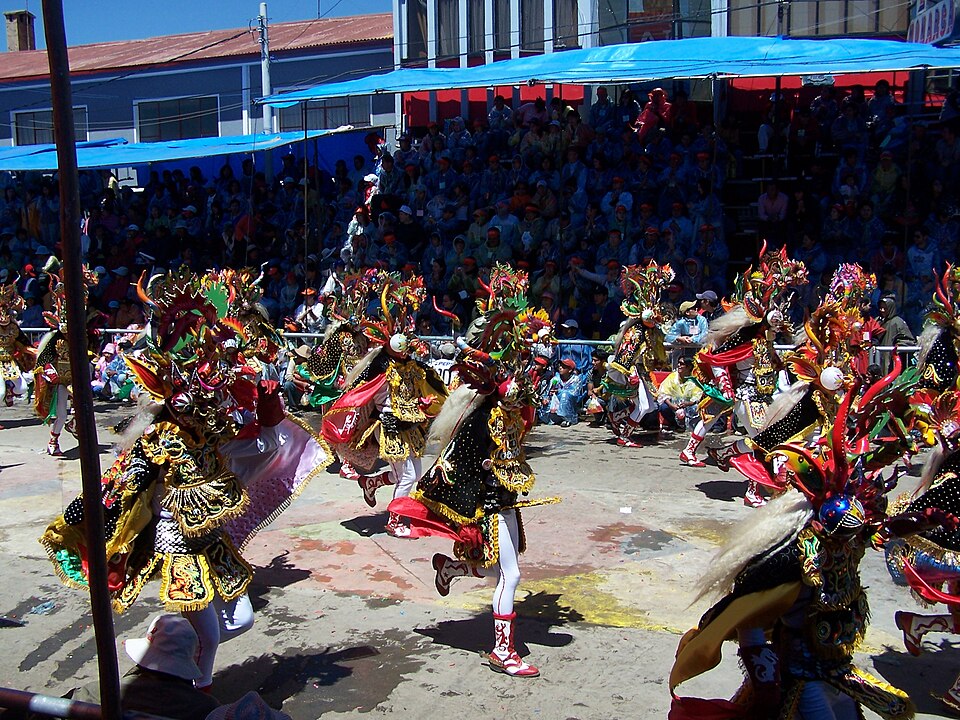
The Diablada, also known as the Danza de los Diablos (English: Dance of the Devils) is a Bolivian folk dance, characterized by performers wearing masks and costumes representing the devil, and characters from post-colonial theology and mythology combined with Spanish and Christian elements added during the colonial era. Some scholars have concluded that the dance is descended from the Llama llama dance in honor of the Uru god Tiw, the Aymaran ritual to the demon Anchanchu and El Tío.
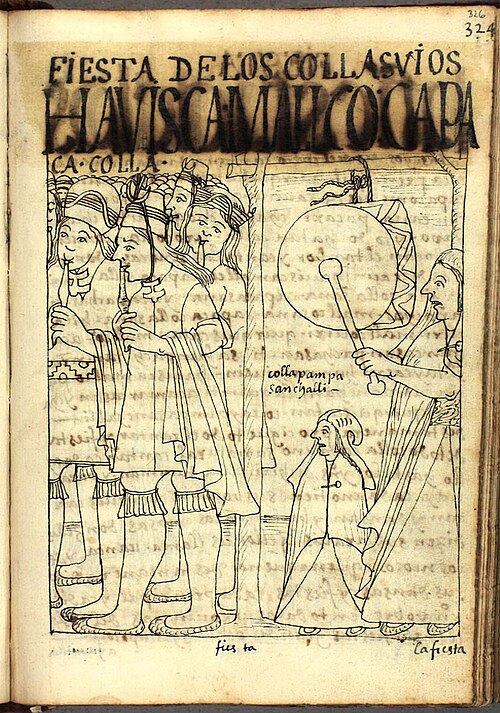
It originated in 1789 in the Oruro’s Socavón mines, where performers dressed like the devil in parades (led by San Miguel Archangel) called Diabladas. The first organized Diablada group with defined music and choreography appeared in Bolivia in 1904. There is also some evidence of the dance originating among miners in Potosí. Regional dances have been influenced in Peru and Chile’s modern versions.
Further reading
- Máscaras de los Andes bolivianos · Peter McFarren (1993)Covers masks of the Bolivian Andes, including mask making, rites and ceremonies, and their symbolic and social aspects.Find a copy: AbeBooks · Amazon · WorldCat
- La danza de los diablos · Julia Elena Fortún (1961)A work on the devil dance, the tradition the diablada belongs to.Find a copy: AbeBooks · Amazon · WorldCat
Diablada Mask is one of the 3D puzzles in World Artifacts: turn a cloud of broken pieces until it lines up. For iPhone, iPad, Apple Vision Pro and Android.

