World Artifacts › Atlas › Brazil
Bandeirante Monument
The bandeirantes pushed the frontier hundreds of kilometres past the line Spain and Portugal had agreed, hunting for gold and for indigenous people to enslave. The monument to them in São Paulo is protested and painted regularly.
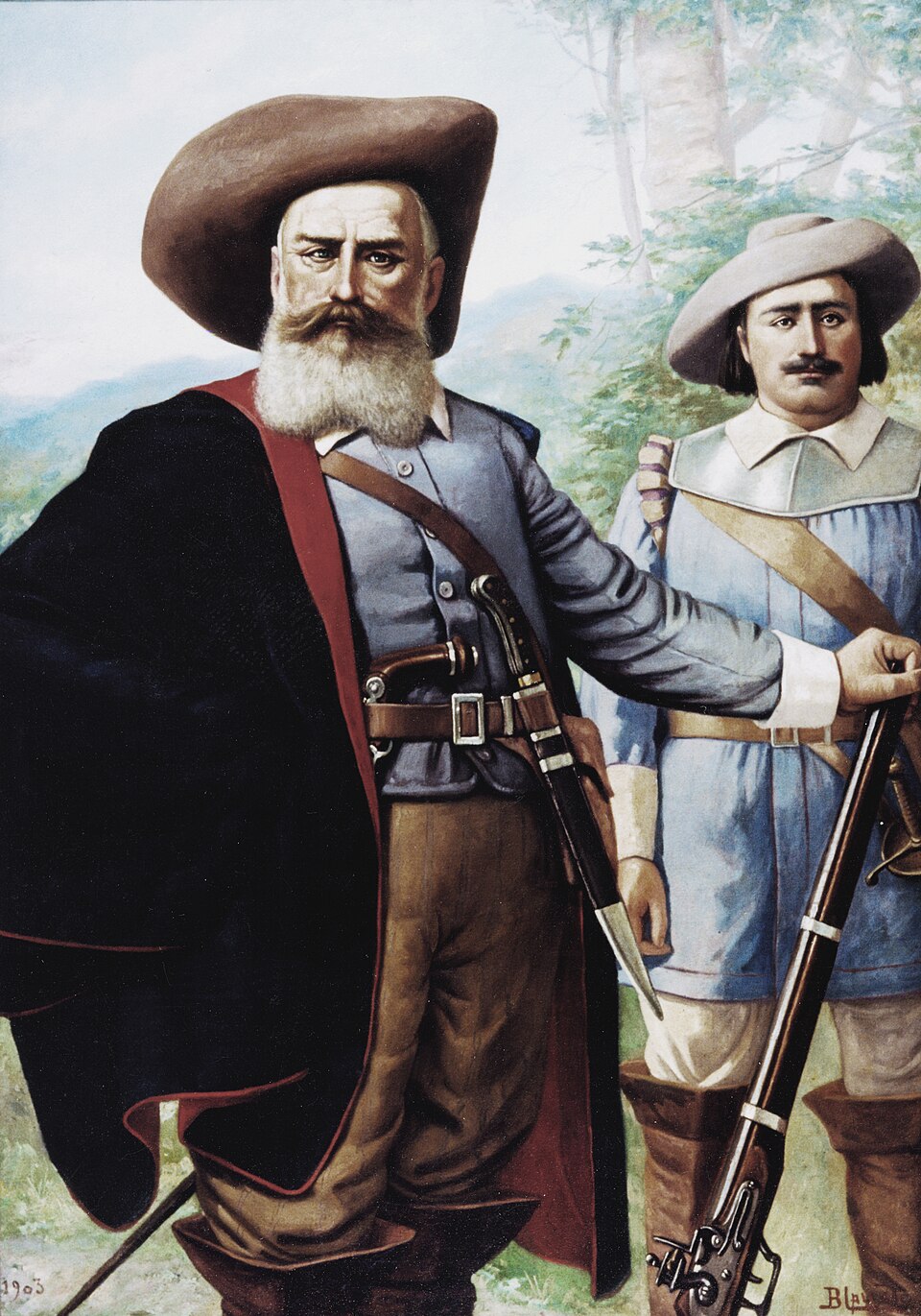
Bandeirantes (Portuguese: [bɐ̃dejˈɾɐ̃tʃis]; lit. 'flag-carriers'; singular: bandeirante) were frontiersmen and explorers in Colonial Brazil who, from the early 16th century, participated in inland expeditions to find precious metals and enslave indigenous peoples. They played a major role in expanding Brazil's borders to its approximate modern-day limits, beyond the boundaries demarcated by the 1494 Treaty of Tordesillas.
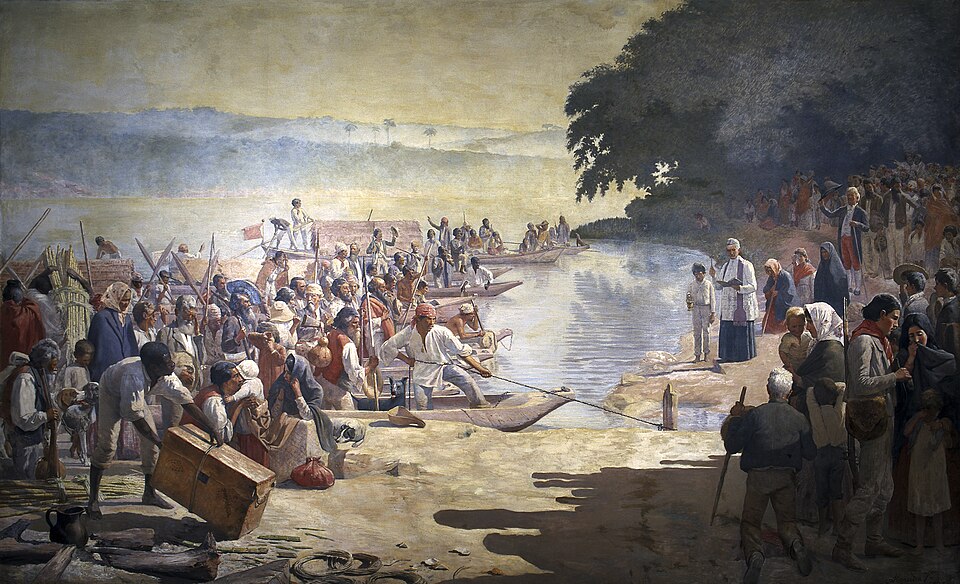
Most bandeirantes hailed from São Paulo, then a small village in the Captaincy of São Vicente from 1534 to 1709 and later the Captaincy of São Paulo from 1720 to 1821. Some bandeirantes were descended from Portuguese colonists who settled in São Paulo, but most were of mameluco or mestiço descent, with both Portuguese and indigenous ancestry. This was due to interracial marriage being the norm in colonial Brazilian society, as well as polygamy.

Further reading
Bandeirante Monument is one of the 3D puzzles in World Artifacts: turn a cloud of broken pieces until it lines up. For iPhone, iPad, Apple Vision Pro and Android.

