World Artifacts › Atlas › Brazil
Colonial Aqueduct (Arcos da Lapa)
The arches carried drinking water down from the hills for a century and a half. Since 1896 they have carried a tram instead, which still rattles across them into Santa Teresa.
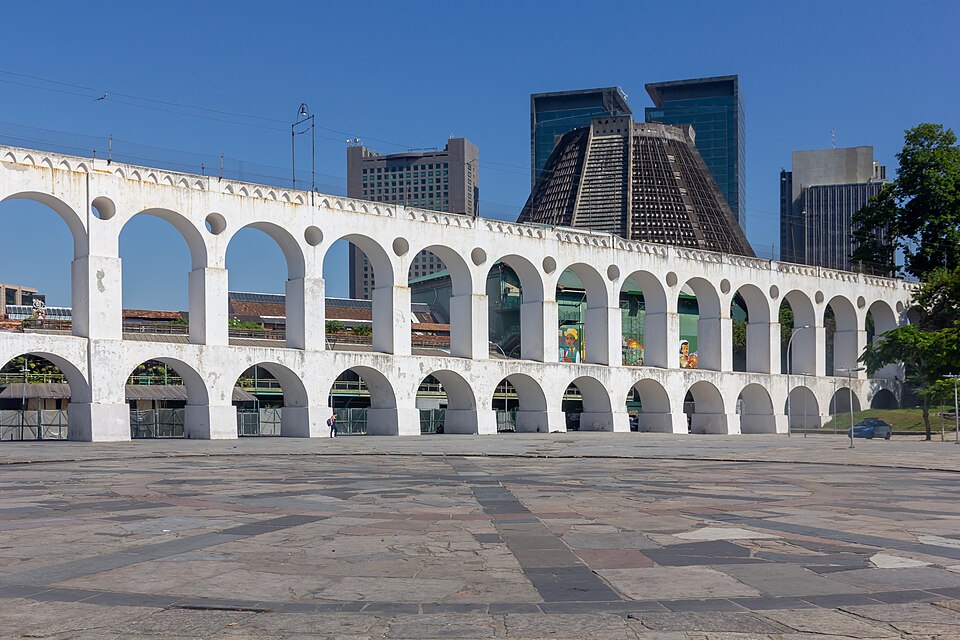
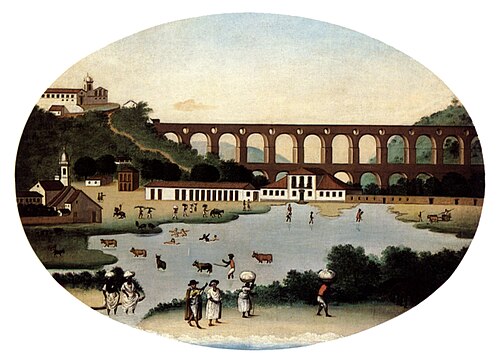
The Carioca Aqueduct (Portuguese: Aqueduto da Carioca), also known as Arcos da Lapa, is an aqueduct in the city of Rio de Janeiro, Brazil. The aqueduct was built in the middle of the 18th century to bring fresh water from the Carioca River to the population of the city. It is a typical example of colonial architecture and engineering.
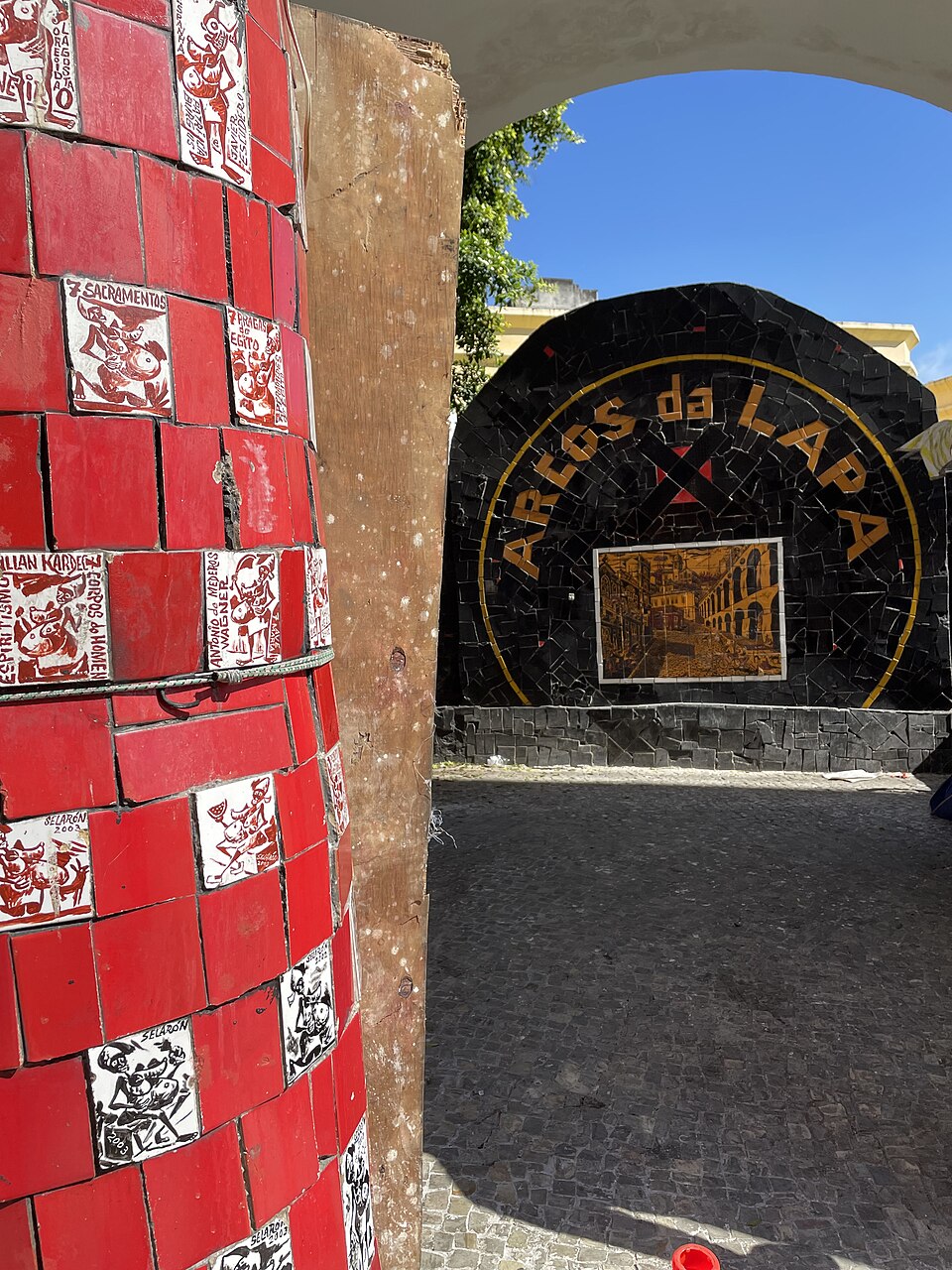
The Carioca Aqueduct is located in the centre of the city, in the Lapa neighbourhood. Since the end of the 19th century the aqueduct serves as a bridge for the Santa Teresa Tramway that connects the city centre with the Santa Teresa neighbourhood uphill.
Colonial Aqueduct (Arcos da Lapa) is one of the 3D puzzles in World Artifacts: turn a cloud of broken pieces until it lines up. For iPhone, iPad, Apple Vision Pro and Android.

