World Artifacts › Atlas › Brazil
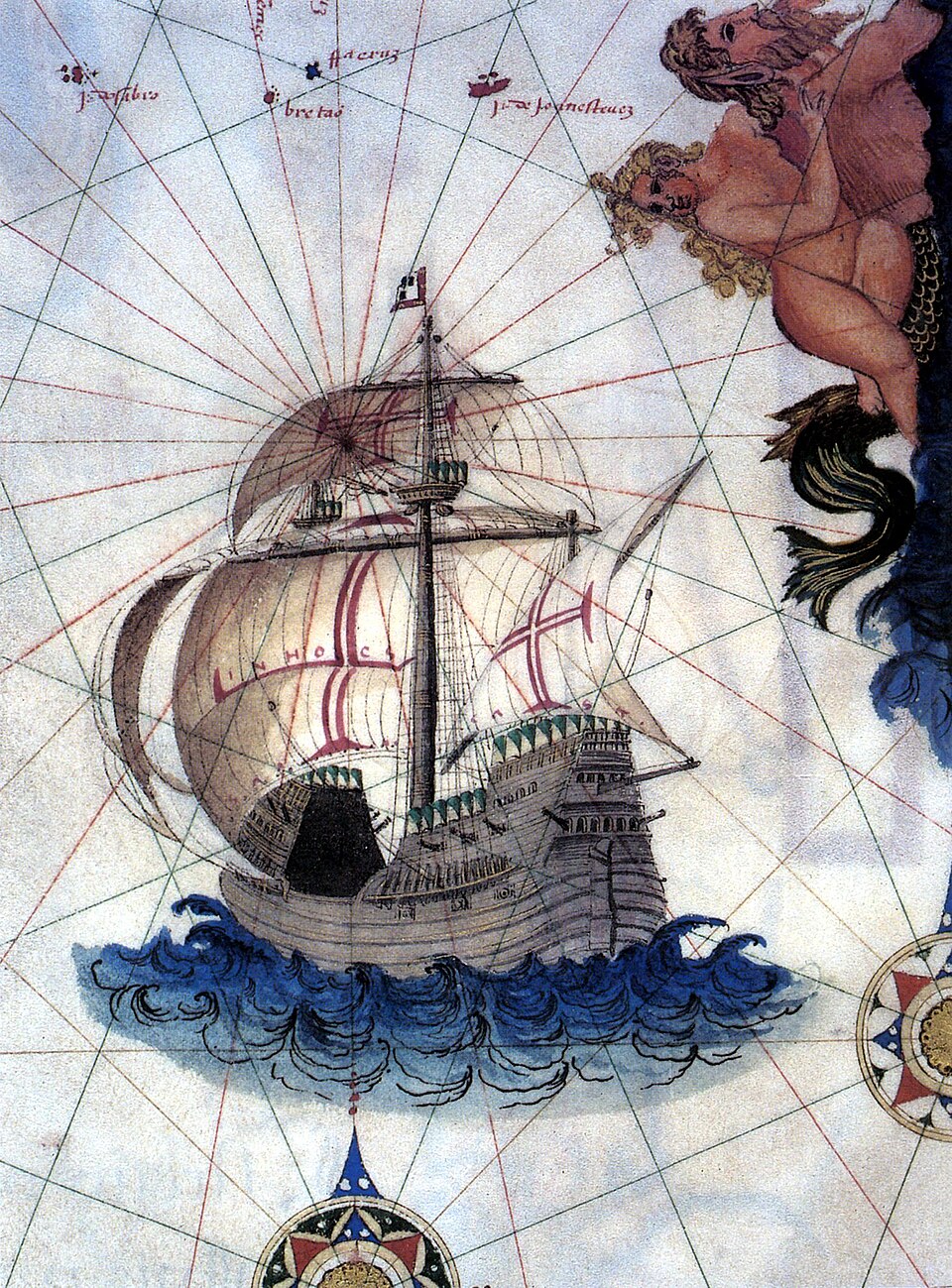
Pedro Álvares Cabral's Ship
Cabral was sailing for India in 1500 when he swung far west into the Atlantic and struck land. Whether that was an accident or a check on something Portugal already suspected is still argued about.
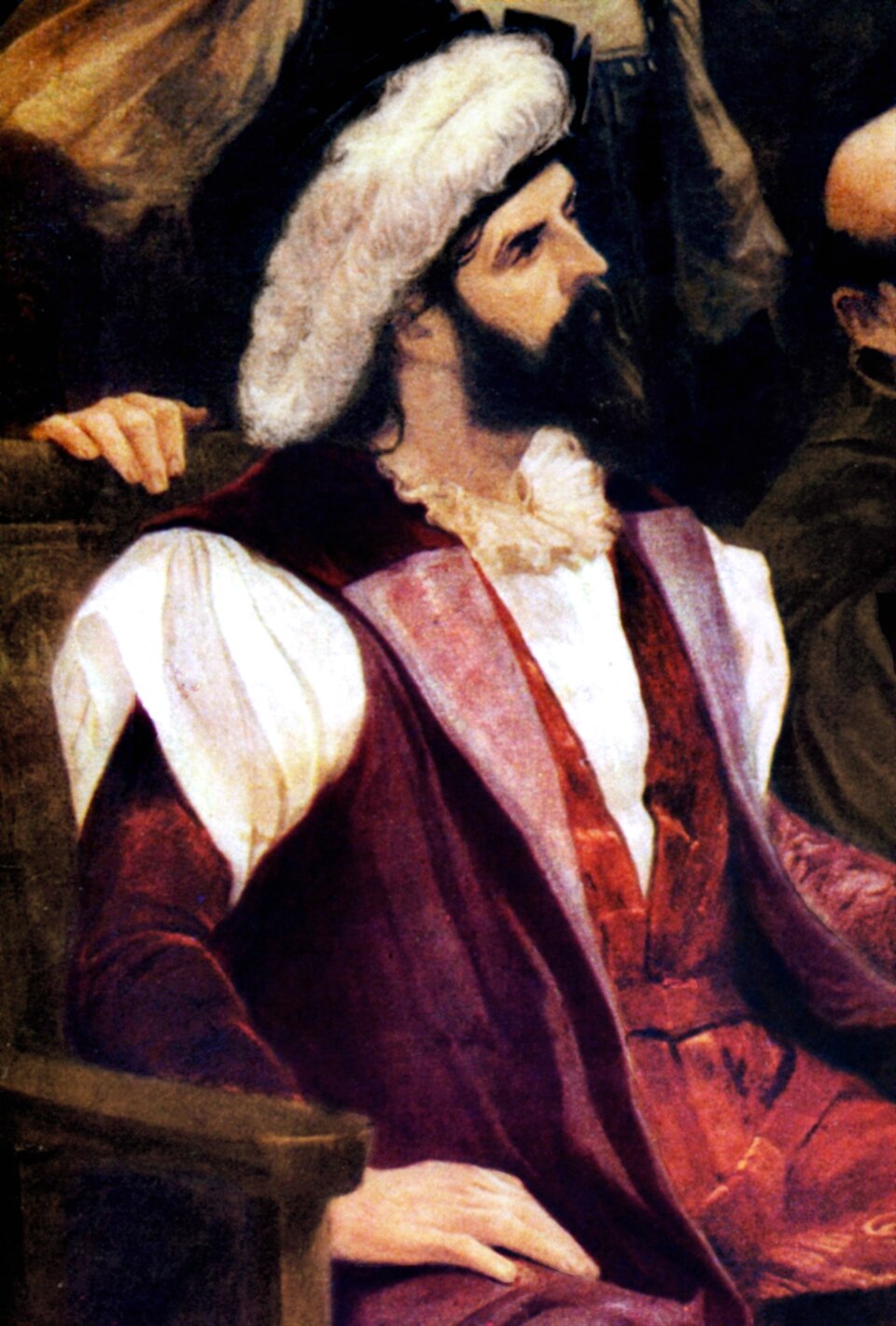
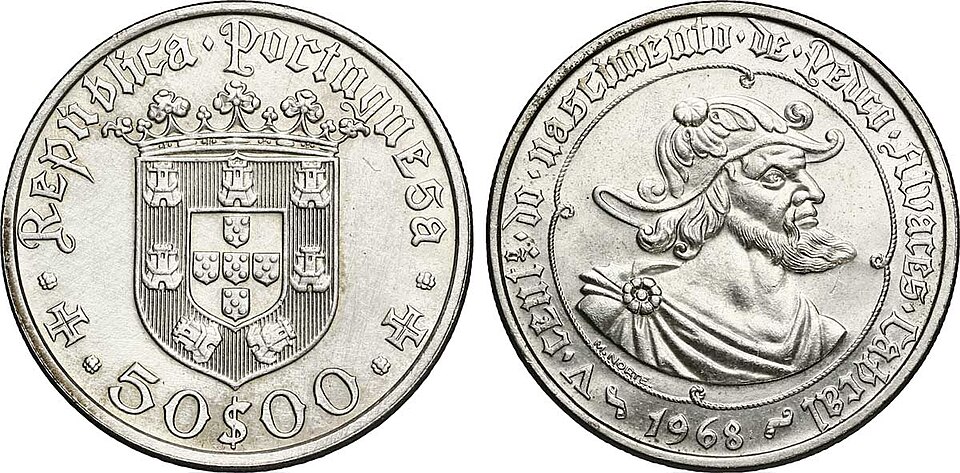
Pedro Álvares Cabral (European Portuguese: [ˈpeðɾu ˈalvɐɾɨʃ kɐˈβɾal], Brazilian Portuguese: [ˈpedɾu ˈawvɐɾɨʃ, ˈawvɐɾɨs kɐˈbɾal]; born Pedro Álvares de Gouveia; c. 1467 or 1468 - c. 1520) was a Portuguese nobleman, colonizer, military commander, navigator and explorer regarded as the European discoverer of Brazil. He was the first human in history to ever be on four continents, uniting all of them in his famous voyage of 1500, where he also conducted the first substantial exploration of the northeast coast of South America and claimed it for Portugal. While details of Cabral's early life remain unclear, it is known that he came from a minor noble family and received a good education. He was appointed to head an expedition to India in 1500, following Vasco da Gama's newly opened route around Africa. The undertaking had the aim of returning with valuable spices and of establishing trade relations in India - bypassing the monopoly on the spice trade then in the hands of Arab, Turkish and Italian merchants. Although the previous expedition of Vasco da Gama to India, on its sea route, had recorded signs of land west of the southern Atlantic Ocean (in 1497), Cabral led the first known expedition to have touched four continents: Europe, Africa, South America, and Asia.
Further reading
- The voyage of Pedro Alvares Cabral to Brazil and India, from contemporary documents and narratives · William Brooks Greenlee (1967)Contemporary documents and narratives of Cabral's voyage to Brazil and India.Find a copy: AbeBooks · Amazon · WorldCat
- The Portuguese Seaborne Empire, 1415-1825 · C.R. BOXER (1969)Broad history of Portugal's overseas empire, the setting of Cabral's voyage.Find a copy: AbeBooks · Amazon · WorldCat
Pedro Álvares Cabral's Ship is one of the 3D puzzles in World Artifacts: turn a cloud of broken pieces until it lines up. For iPhone, iPad, Apple Vision Pro and Android.

