World Artifacts › Atlas › Canada
Ice Skates
Skating on bone blades is thousands of years old, but the metal blade with a hollow ground into it, which is what lets a skater push sideways, made the modern game possible. Canada has more indoor rinks than any other country by a wide margin.
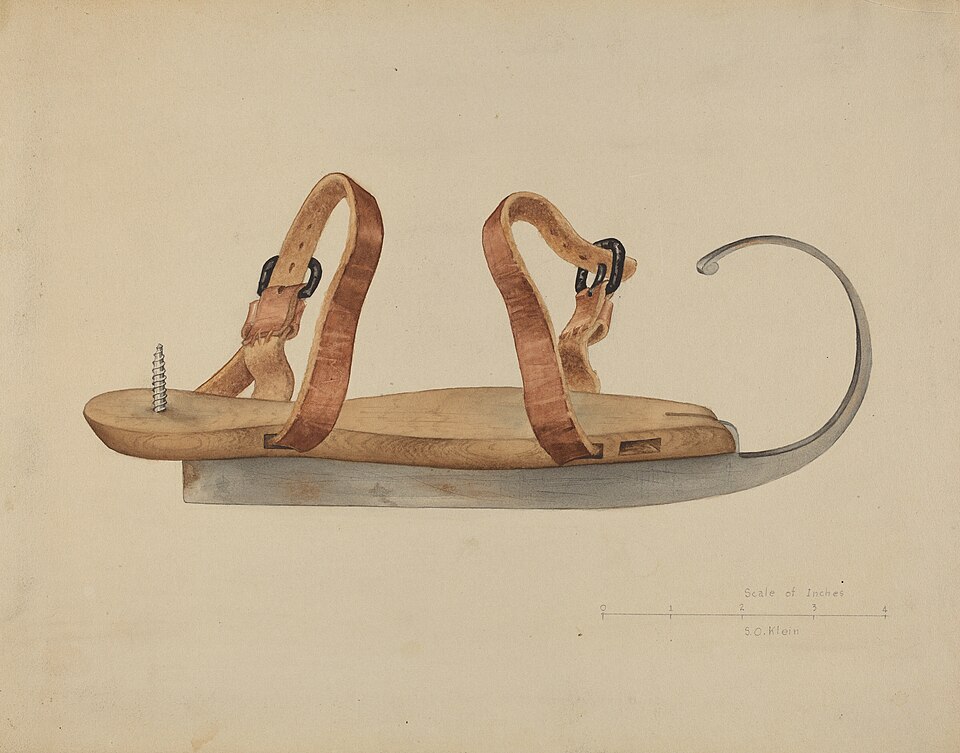
Ice skates are metal blades attached underfoot and used to propel the wearer across a sheet of ice while ice skating.
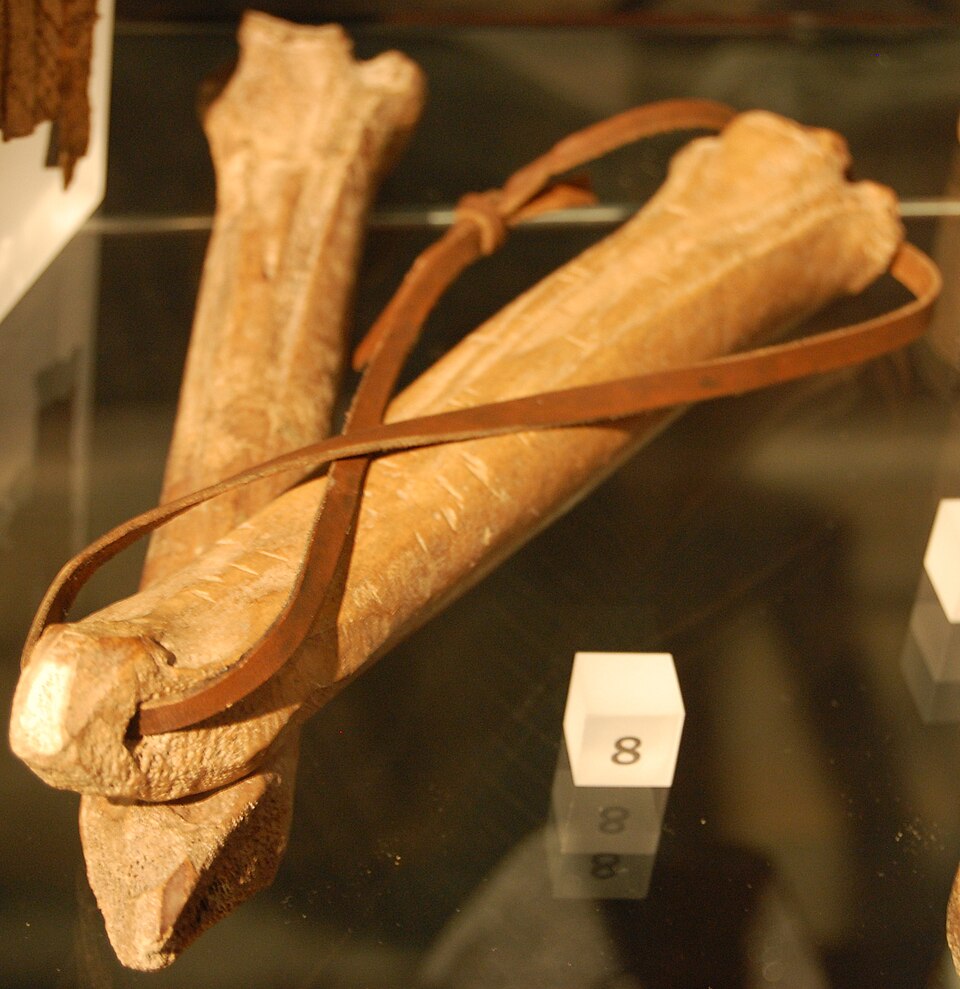
The first ice skates were made from leg bones of horse, ox or deer, and were attached to feet with leather straps. These skates required a pole with a sharp metal spike that was used for pushing the skater forward, unlike modern bladed skates.
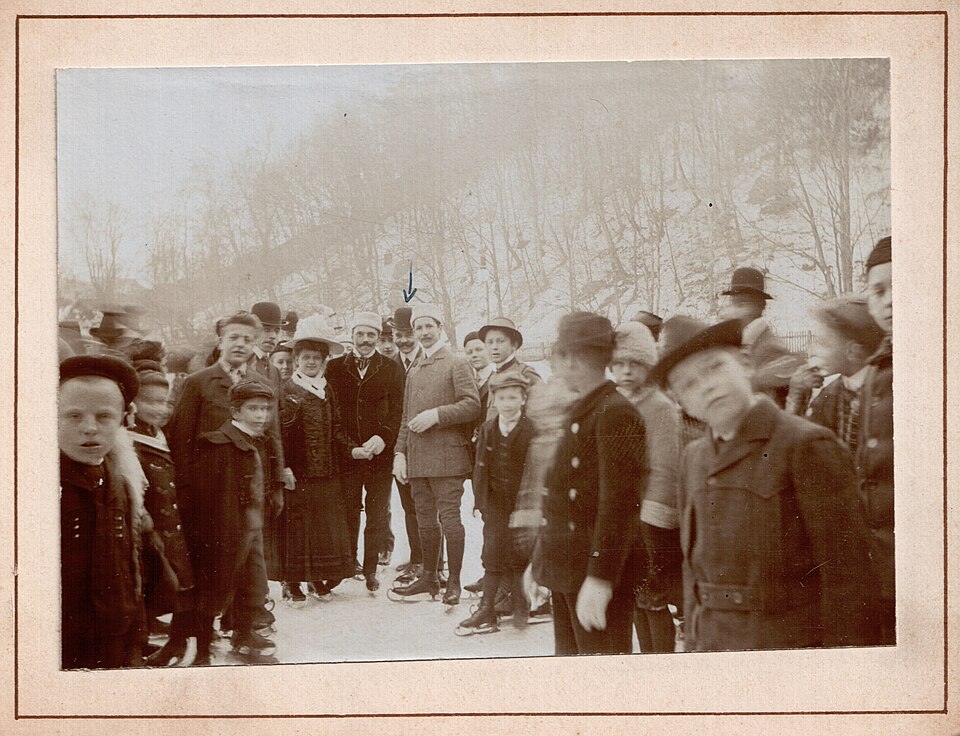
Modern skates come in many different varieties, each suited to specific conditions or activities. People across the globe wear skates recreationally in ice rinks or on frozen bodies of water, and skates are the standard footwear in many sports, including figure skating, bandy, ice hockey, ringette, rink bandy, rinkball, speed skating and tour skating.
Further reading
Ice Skates is one of the 3D puzzles in World Artifacts: turn a cloud of broken pieces until it lines up. For iPhone, iPad, Apple Vision Pro and Android.

