World Artifacts › Atlas › Canada
Orca
The orcas off the Pacific coast are three separate populations that do not mix or interbreed: residents that eat fish, transients that eat mammals, and offshores. They have different diets, different calls and different social structures, and only look the same.

The orca (Orcinus orca), or killer whale, is a toothed whale and the largest member of the oceanic dolphin family. The only extant species in the genus Orcinus, it is recognizable by its distinct pigmentation, being mostly black on top, white on the bottom, and having recognizable white eye patches. A cosmopolitan species, it inhabits a wide range of marine environments, from Arctic to Antarctic regions to tropical seas, but is more commonly documented in temperate or cooler coastal waters. Scientists have proposed dividing the global population into races, subspecies, or possibly even species.
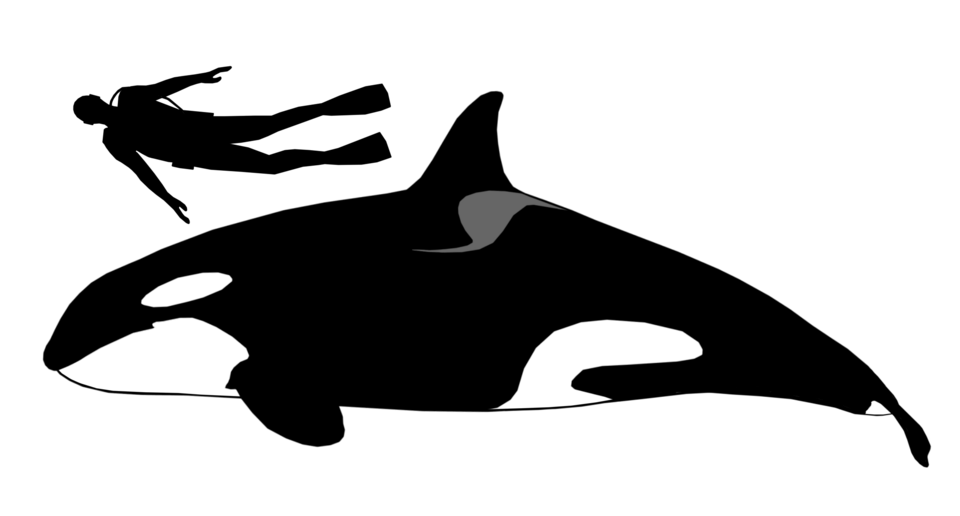
Orcas are apex predators with a diverse diet. Individual populations often specialize in particular types of prey, including bony fish, sharks, rays, and marine mammals such as seals, dolphins, and whales. They are highly social, with some populations forming stable matrilineal family groups (pods). Their sophisticated hunting techniques and vocal behaviours, often unique to specific groups and passed down from generation to generation, are considered to be manifestations of animal culture. The most studied populations are off the west coast of North America, which include fish-eating "residents", mammal-eating "transients", and offshores.

Further reading
- Killer whales · John K. B. Ford (1994)Study of killer whales covering the populations of British Columbia and Washington State waters.Find a copy: AbeBooks · Amazon · WorldCat
- Orca · Erich Hoyt (1984)Account of a conservationist's research on killer whales, beginning with a 1973 sailing expedition along Canada's Pacific coast.Find a copy: AbeBooks · Amazon · WorldCat
Orca is one of the 3D puzzles in World Artifacts: turn a cloud of broken pieces until it lines up. For iPhone, iPad, Apple Vision Pro and Android.

