World Artifacts › Atlas › Canada
Sasquatch
The word sasquatch was coined in the 1920s by a schoolteacher who anglicised a Halkomelem word for the wild man of the woods. British Columbia has a formal reporting line for sightings, which has not resolved anything.
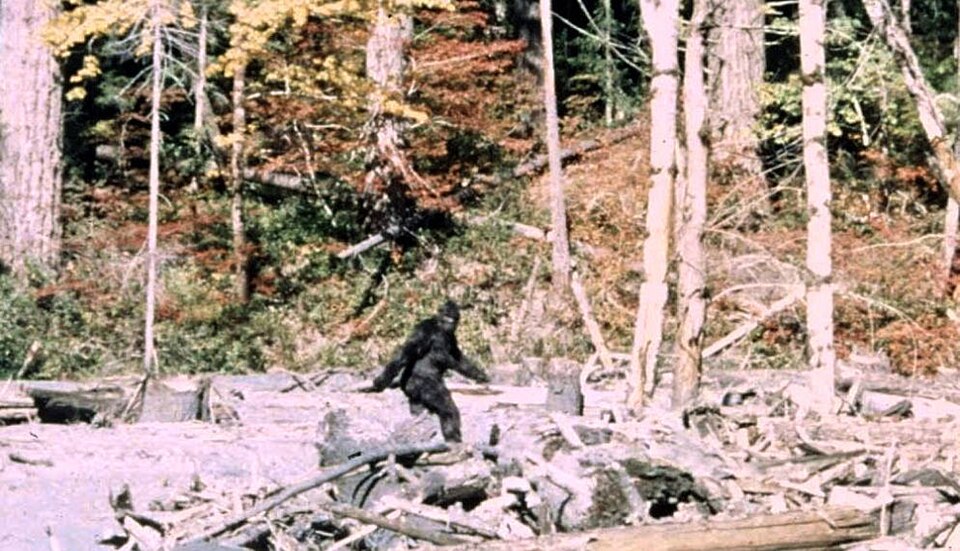
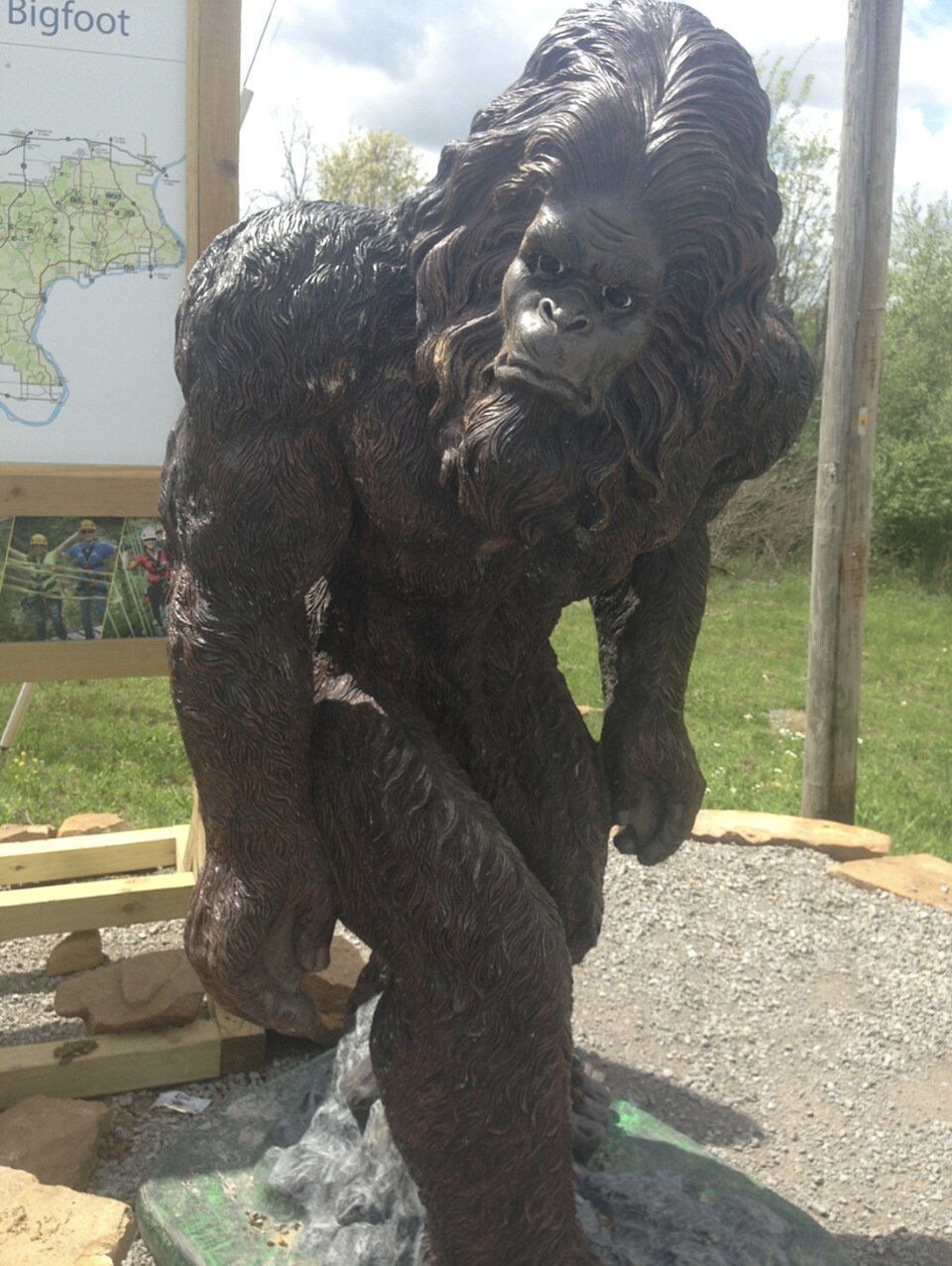
Bigfoot, or Sasquatch, is a large, hairy, mythical humanoid creature said to inhabit forests in North America, particularly in the Pacific Northwest. Bigfoot is featured in both American and Canadian folklore, and since the mid-20th century has become a cultural icon, permeating popular culture and becoming the subject of its own distinct subculture.
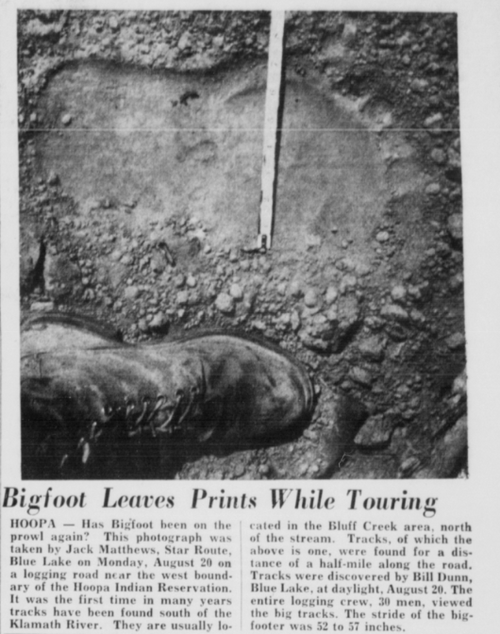
Enthusiasts of Bigfoot, such as those within the pseudoscience of cryptozoology, have offered various forms of dubious evidence to support Bigfoot's existence, including anecdotal claims of sightings as well as supposed photographs, video and audio recordings, hair samples, and casts of large footprints. However, the evidence is a combination of folklore, misidentification, and hoax, and the creature is dismissed by scientists as not a real living animal.
Folklorists trace the phenomenon of Bigfoot to a combination of factors and sources, including the European wild man figure, folk tales, and indigenous cultures. Examples of similar folk tales of wild, hair-covered humanoids exist throughout the world, such as the skunk ape of the southeastern United States, the Almas, Yeren, and Yeti in Asia, the Australian Yowie, and creatures in the mythologies of indigenous people. Wishful thinking, a cultural increase in environmental concerns, and overall societal awareness of the subject have been cited as additional factors.
Further reading
Sasquatch is one of the 3D puzzles in World Artifacts: turn a cloud of broken pieces until it lines up. For iPhone, iPad, Apple Vision Pro and Android.

