World Artifacts › Atlas › Switzerland
William Tell's Crossbow
There is no contemporary evidence that William Tell existed. The story first appears about two hundred years after it is supposed to have happened and closely resembles an older Danish tale, which Swiss historians have been pointing out, unpopularly, since the 1700s.
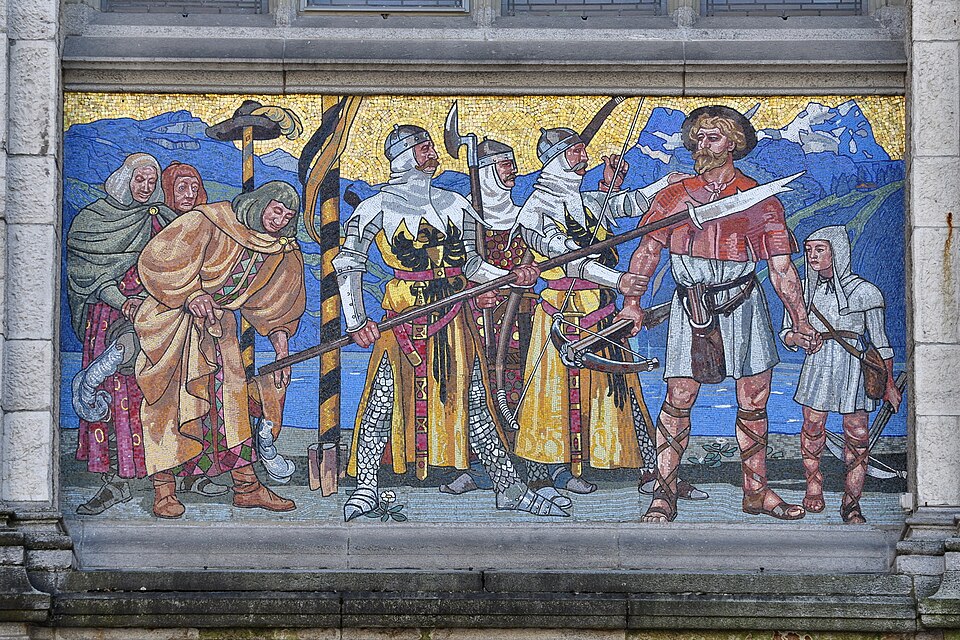
William Tell (German: Wilhelm Tell, pronounced [ˈvɪlhɛlm ˈtɛl] ; French: Guillaume Tell; Italian: Guglielmo Tell(o); Romansh: Guglielm Tell) is a legendary folk hero of Switzerland. He is known for shooting an apple off his son's head.
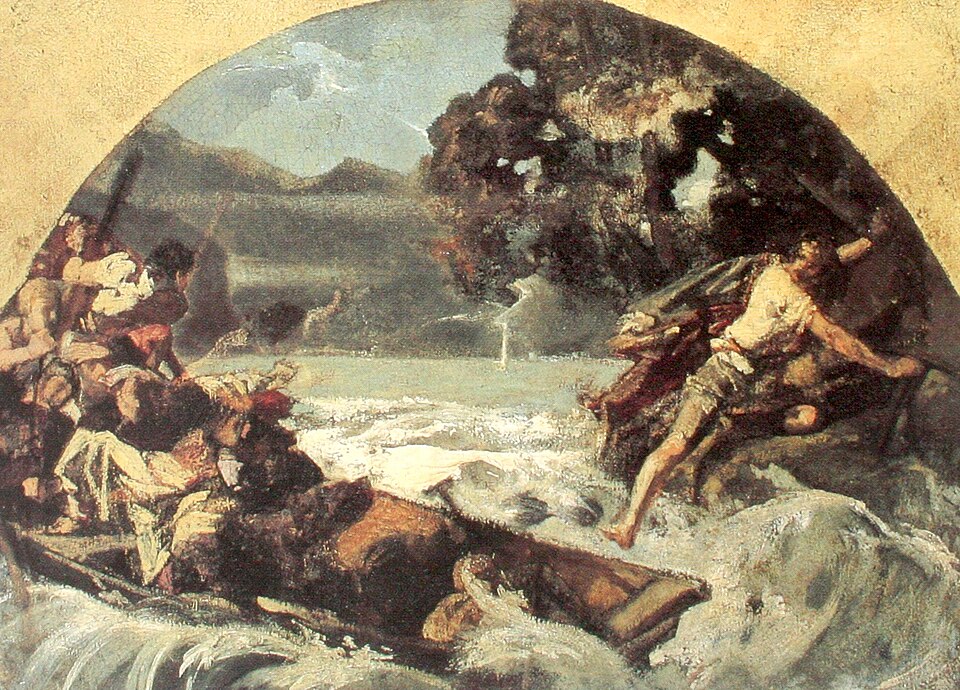
According to the legend, Tell was an expert mountain climber and marksman with a crossbow who assassinated Albrecht Gessler, a tyrannical reeve of the Austrian dukes of the House of Habsburg positioned in Altdorf, in the canton of Uri. Tell's defiance and tyrannicide encouraged the population to open rebellion and to make a pact against the foreign rulers with neighbouring Schwyz and Unterwalden, marking the foundation of the Swiss Confederacy, of which Tell is consequently considered the father.
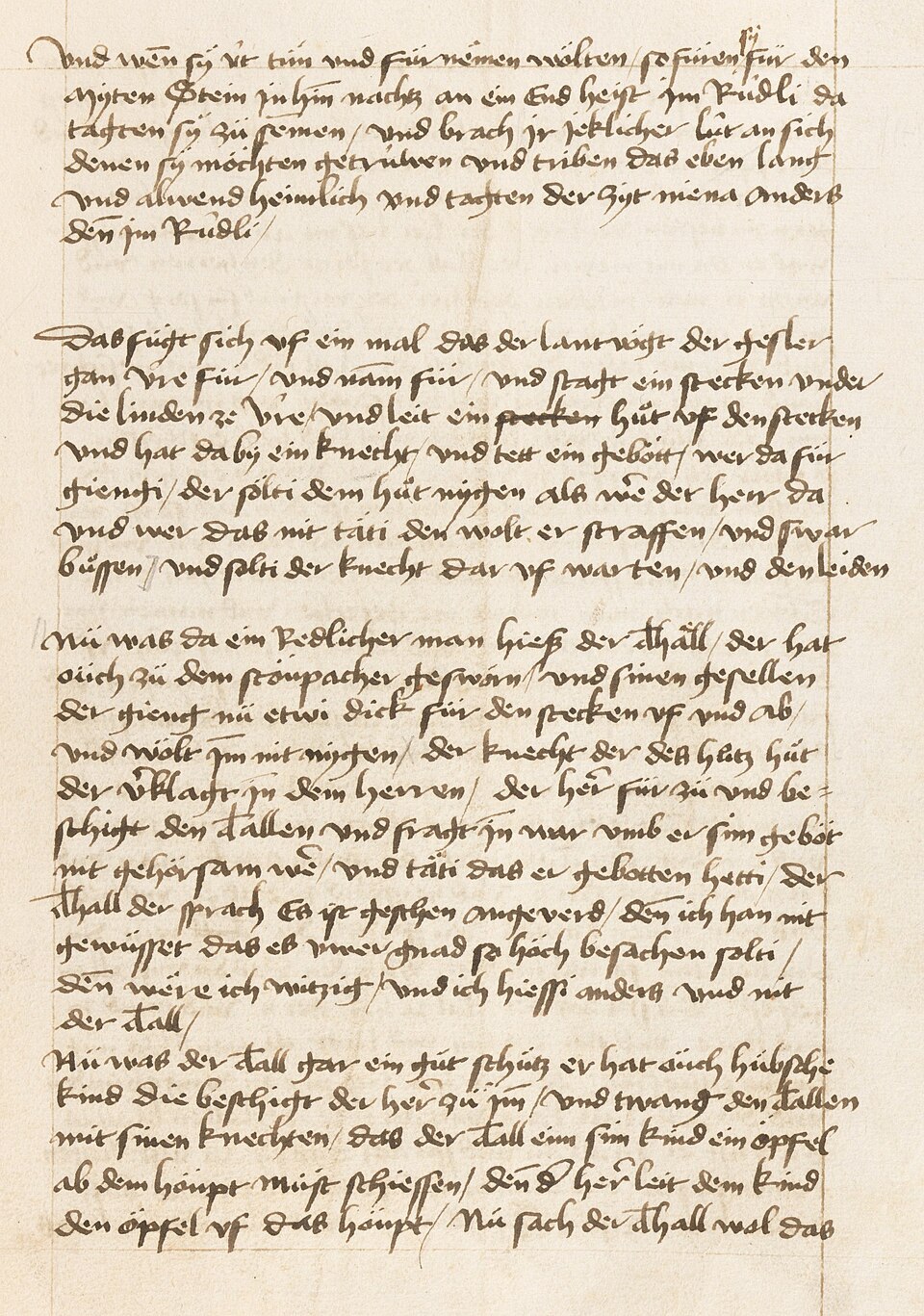
Set in the early 14th century (traditional date 1307, during the rule of Albert of Habsburg), the first written records of the legend date to the latter part of the 15th century, when the Swiss Confederacy was gaining military and political influence. Tell is a central figure in Swiss national historiography, along with Arnold von Winkelried, the hero of Sempach (1386). He was important as a symbol during the formative stage of modern Switzerland in the 19th century, known as the period of Restoration and Regeneration, as well as in the wider history of 18th- to 19th-century Europe as a symbol of resistance against aristocratic rule, especially in the Revolutions of 1848 against the House of Habsburg, which had ruled Austria for centuries.
Further reading
- Why Switzerland? · Jonathan Steinberg (1976)Explores Swiss history and national characteristics, the setting for the Tell legend.Find a copy: AbeBooks · Amazon · WorldCat
- William Tell · Friedrich Schiller (1825)Schiller's drama William Tell, the classic dramatic telling of the legend.Find a copy: AbeBooks · Amazon · WorldCat
William Tell's Crossbow is one of the 3D puzzles in World Artifacts: turn a cloud of broken pieces until it lines up. For iPhone, iPad, Apple Vision Pro and Android.

