World Artifacts › Atlas › Chile
Araucanian Silver Jewellery
Mapuche silversmiths worked from melted Spanish coins, so the silver arrived as money and left as jewellery. The heavy chest pieces were a woman's own property and travelled with her.
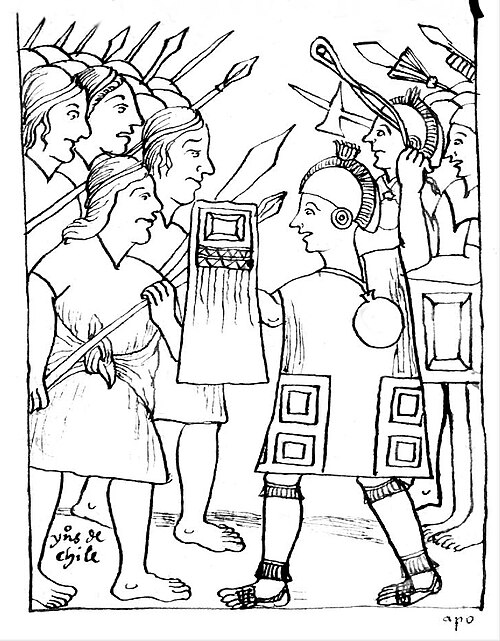
The Mapuche ( mə-POO-chee, Mapuche and Spanish: [maˈputʃe]), also known as Araucanians, are a group of Indigenous inhabitants of south-central Chile and southwestern Argentina, including parts of Patagonia. The collective term refers to a wide-ranging ethnicity composed of various groups who share a common social, religious, and economic structure, as well as a common linguistic heritage as Mapudungun speakers. Their homelands once extended from Choapa Valley to the Chiloé Archipelago and later spread eastward to Puelmapu, a land comprising part of the Argentine pampa and Patagonia. Today, the Mapuche represent 77.16% of Chile’s indigenous peoples and about 8.8% of the total national population. The Mapuche are concentrated in the Araucanía region. Many have migrated from rural areas to the cities of Santiago and Buenos Aires to pursue economic opportunities. Around 92% of the Mapuches are from Chile.
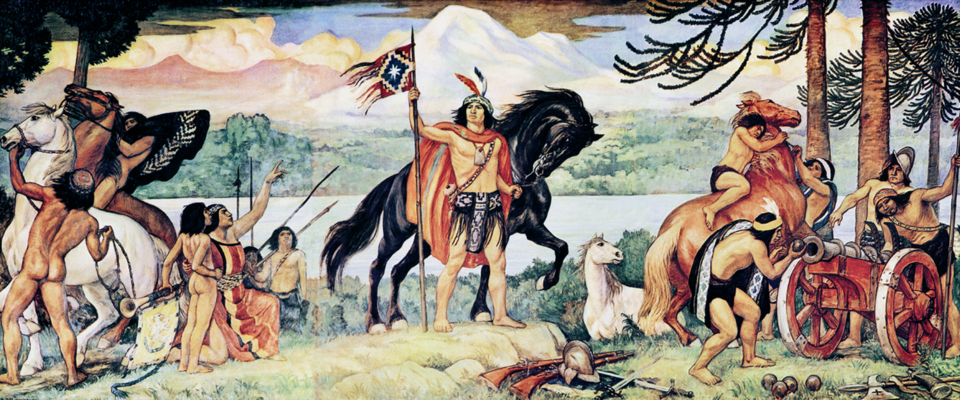
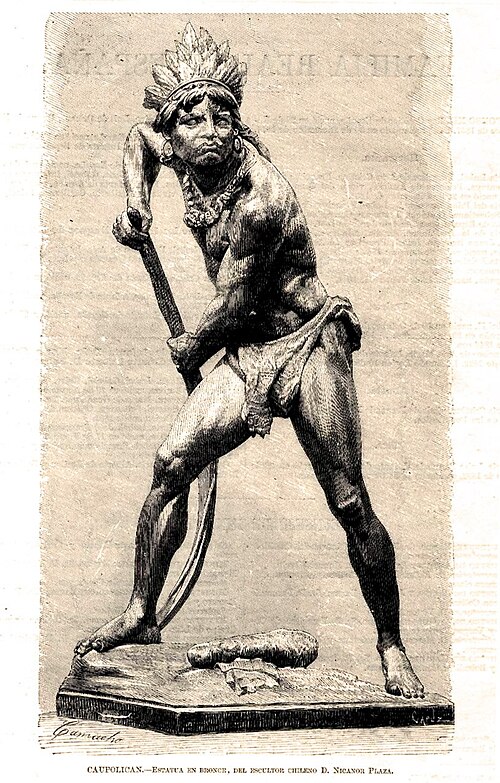
The Mapuche traditional economy is based on agriculture; their traditional social organization consists of extended families, under the direction of a lonko or chief. In times of war, the Mapuche would unite in larger groupings and elect a toki (meaning "axe" or "axe-bearer") to lead them. Mapuche material culture is known for its textiles and silverwork.
Further reading
Araucanian Silver Jewellery is one of the 3D puzzles in World Artifacts: turn a cloud of broken pieces until it lines up. For iPhone, iPad, Apple Vision Pro and Android.

