World Artifacts › Atlas › Chile
Chiloé Church
The wooden churches of Chiloé were raised by missionaries working with local boatbuilders, so they are built like upturned hulls, pegged rather than nailed. Sixteen of them are on the UNESCO list.
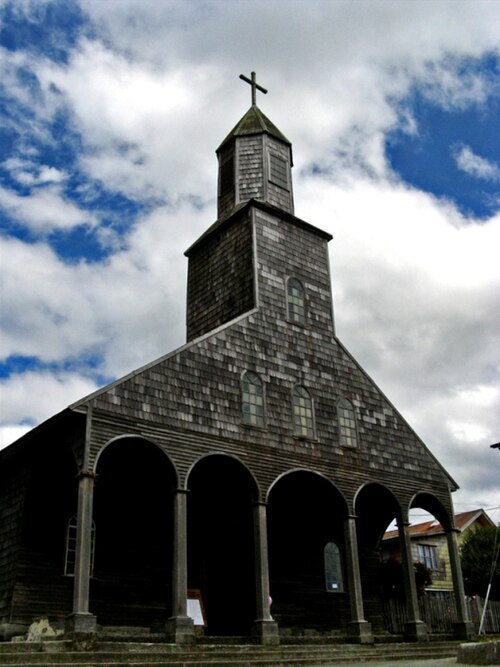
The Churches of Chiloé in Chile's Chiloé Archipelago are a unique architectural phenomenon in the Americas and one of the most prominent styles of Chilotan architecture. Unlike classical Spanish colonial architecture, the churches of Chiloé are made entirely in native timber with extensive use of wood shingles. The churches were built from materials to resist the Chiloé Archipelago's humid and rainy oceanic climate.
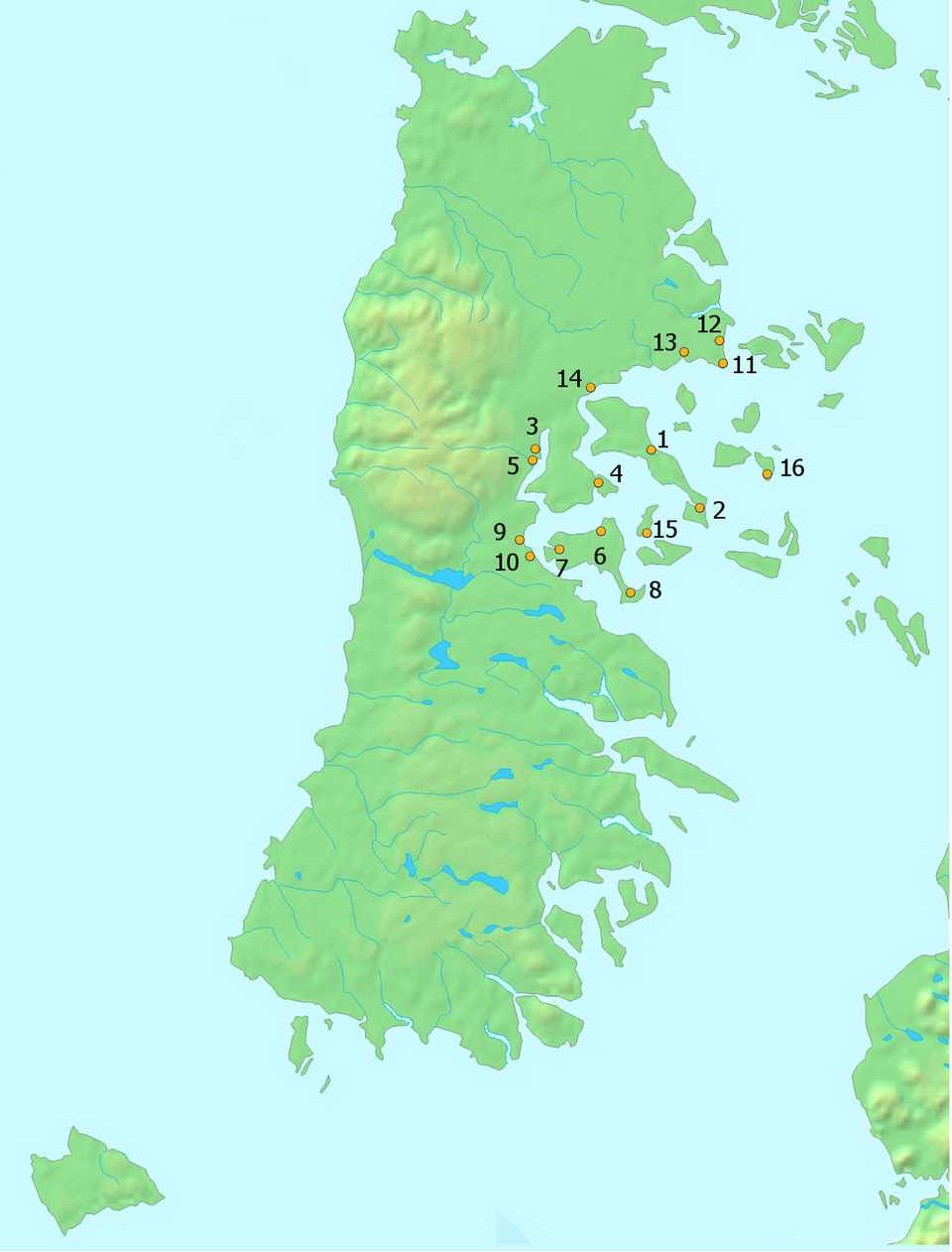
Built in the 18th and 19th centuries when Chiloé Archipelago was still a part of the Spanish Crown possessions, the churches represent the fusion of Spanish Jesuit culture and local native population's skill and traditions; an example of mestizo culture.
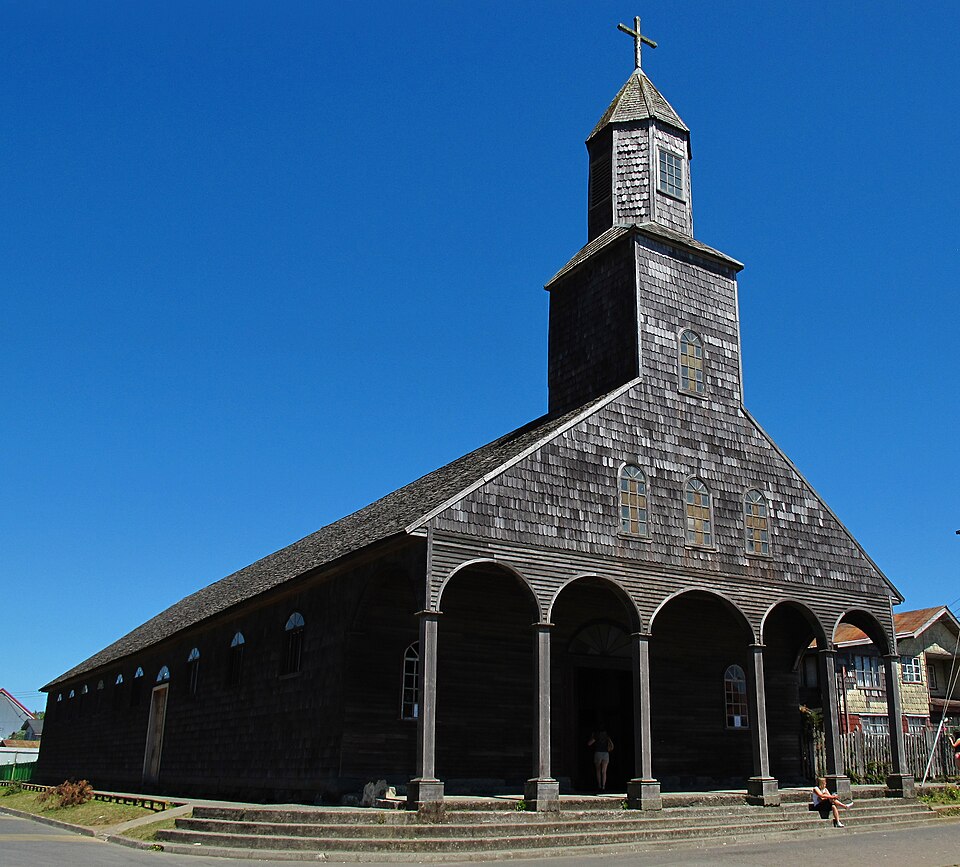
The Churches of Chiloé were designated UNESCO World Heritage Sites in 2000. The University of Chile, Fundación Cultural Iglesias de Chiloé and other institutions have led efforts to preserve these historic structures and to publicize them for their unique qualities.
Chiloé Church is one of the 3D puzzles in World Artifacts: turn a cloud of broken pieces until it lines up. For iPhone, iPad, Apple Vision Pro and Android.

