World Artifacts › Atlas › Chile
Chinchorro Mummy
The Chinchorro were fishing people who mummified their dead about two thousand years before the Egyptians, and they did it for everyone: infants, elders, even the stillborn.
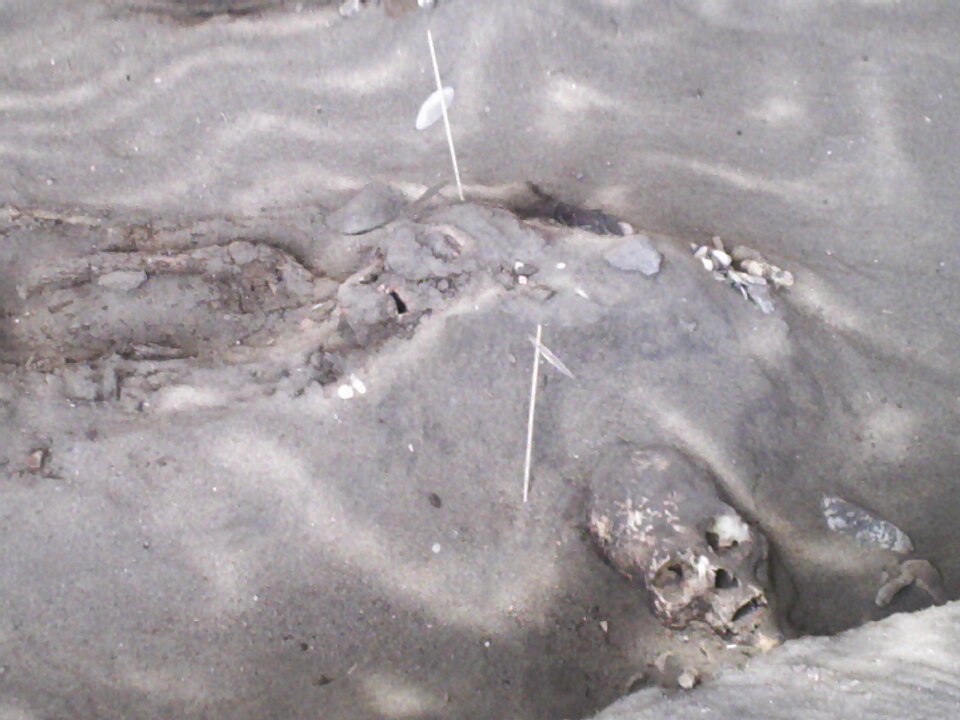
The Chinchorro mummies are naturally and artificially preserved human remains associated with the Chinchorro culture, an Indigenous people who lived along the Pacific coast of what is now northern Chile and southern Peru. The oldest known naturally preserved Chinchorro individual dates to about 7020 BCE, while deliberate mummification began by about 5050 BCE, making the Chinchorro mummies the oldest known examples of purposefully preserved human bodies in the world.
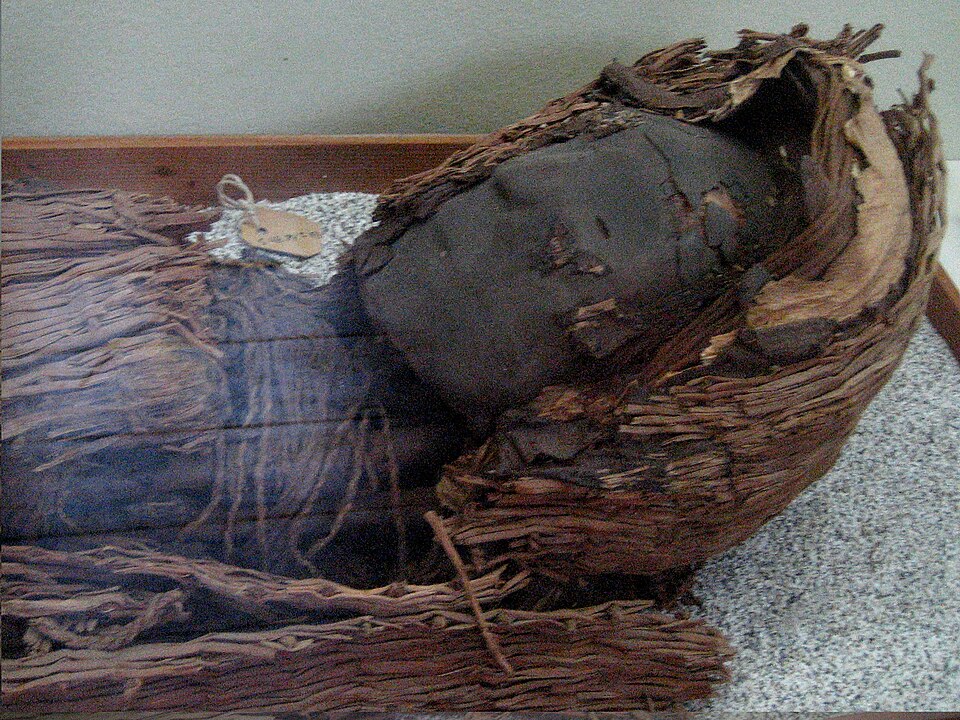
The Chinchorro artificially preserved men, women and children from across their communities rather than restricting elaborate funerary treatment to a social elite. Their methods included reconstructing and reinforcing bodies, modelling them with clay, and adding wigs and mineral pigments. Several forms of mummification developed and overlapped during a tradition that continued for about 3,000 years, ending around 1800 BCE.
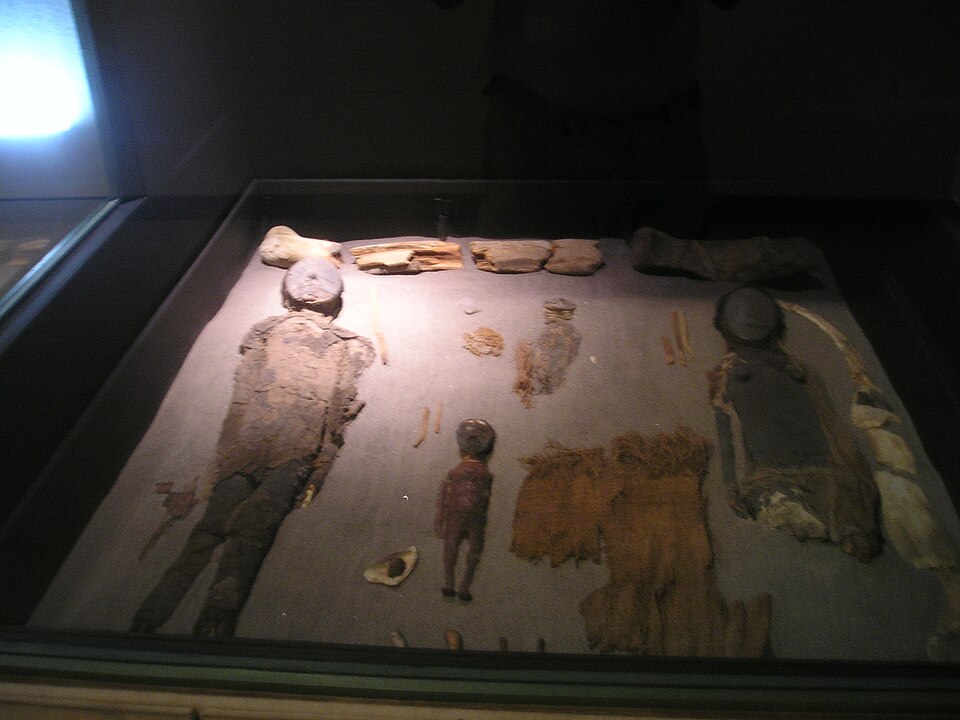
In 2021, settlements and cemeteries associated with the Chinchorro culture and its tradition of artificial mummification in Chile's Arica and Parinacota Region were designated a World Heritage Site by UNESCO.
Further reading
- Beyond death · Bernardo T. Arriaza (1995)Covers Chinchorro funerary customs, material culture and embalming, with attention to mummies and the Indians of South America.Find a copy: AbeBooks · Amazon · WorldCat
- The Scientific Study of Mummies · Arthur C. Aufderheide (2003)A scientific study of mummies and paleopathology, beginning by defining what a mummy is.Find a copy: AbeBooks · Amazon · WorldCat
Chinchorro Mummy is one of the 3D puzzles in World Artifacts: turn a cloud of broken pieces until it lines up. For iPhone, iPad, Apple Vision Pro and Android.

