World Artifacts › Atlas › China
Cheongsam
The qipao was invented in 1920s Shanghai: a loose Manchu robe cut down and fitted to the body, worn by students and film stars as a modern thing rather than a traditional one.
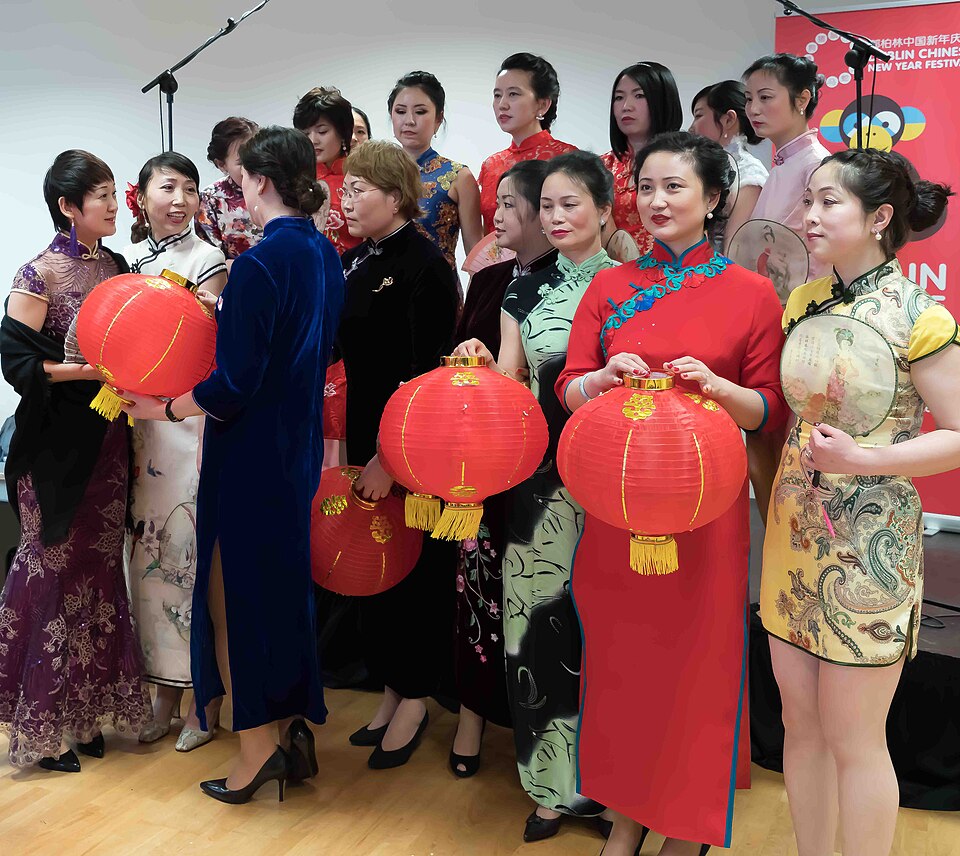
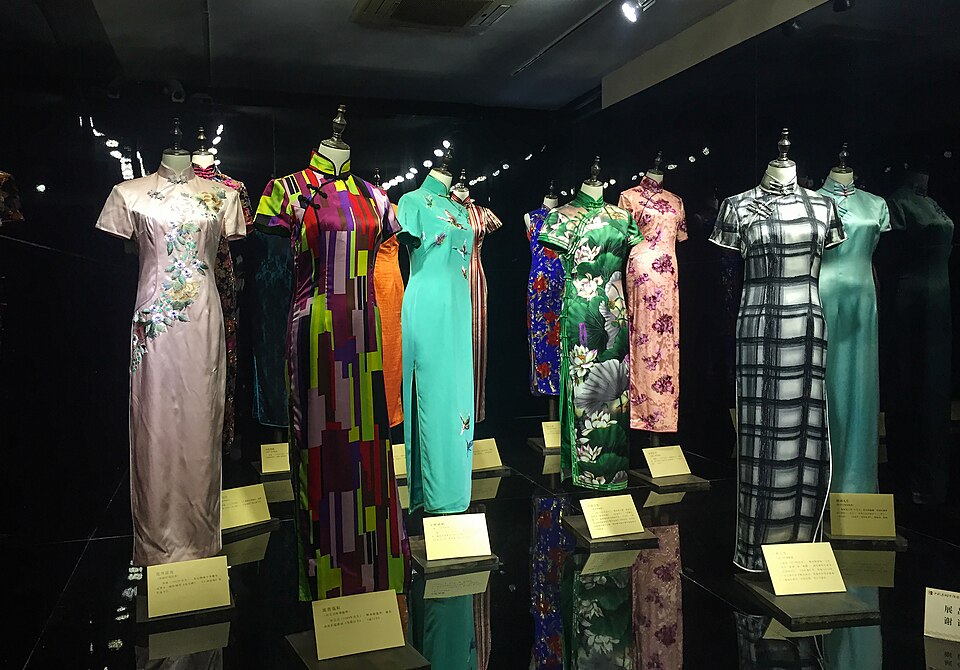
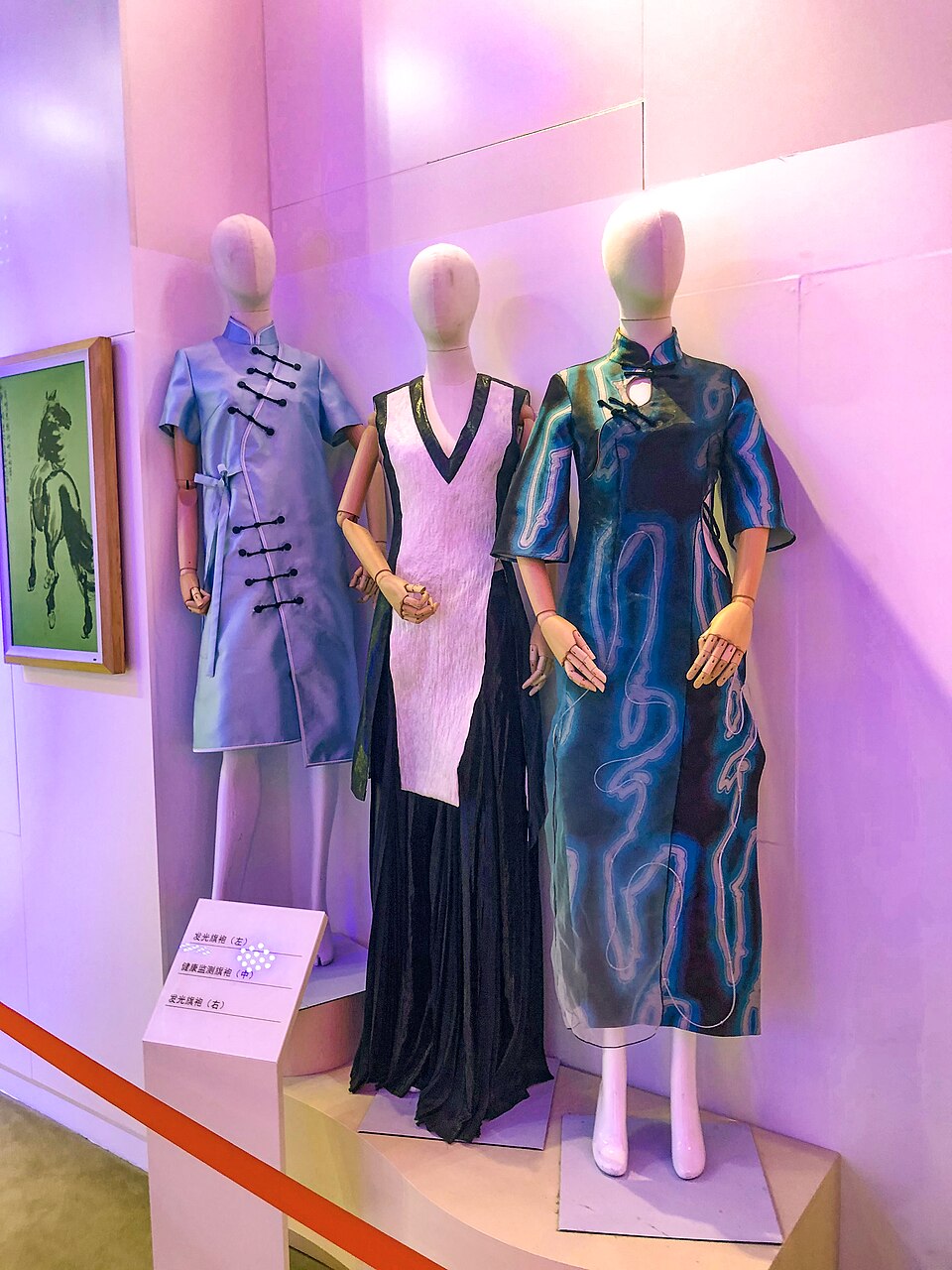
The qipao (; Chinese: 旗袍; pinyin: qípáo; lit. 'banner gown'), also known as the cheongsam (UK: , US: ; simplified Chinese: 长衫; traditional Chinese: 長衫; pinyin: chángshān; lit. 'long shirt') or the mandarin gown, is a Western-influenced Chinese dress worn by women which takes inspiration from the qizhuang, the ethnic clothing of the Manchu people. The cheongsam is most often seen as a longer, figure-fitting, one piece garment with a standing collar, an asymmetric, left-over-right (youren) opening and two side slits, and embellished with Chinese frog fasteners on the lapel and the collar. It was developed in the 1910s-1920s and evolved in shapes and design over years. It was popular in China from the 1920s to the '60s, overlapping with the Republican era, and was popularized by Chinese socialites and high society women in Shanghai.
Further reading
- The Cheongsam (Images of Asia) · Hazel Clark (2000)A history of the cheongsam within the Images of Asia series, on Chinese costume.Find a copy: AbeBooks · Amazon · WorldCat
- Changing clothes in China · Antonia Finnane (2007)Covers the history of clothing, fashion and social life in China.Find a copy: AbeBooks · Amazon · WorldCat
Cheongsam is one of the 3D puzzles in World Artifacts: turn a cloud of broken pieces until it lines up. For iPhone, iPad, Apple Vision Pro and Android.

