World Artifacts › Atlas › China
Confucius
Confucius founded no religion, claimed to be transmitting rather than inventing, and failed to get the government job he wanted. The book of his sayings was assembled by students after his death, and his family's recorded line of descent is among the longest anywhere.
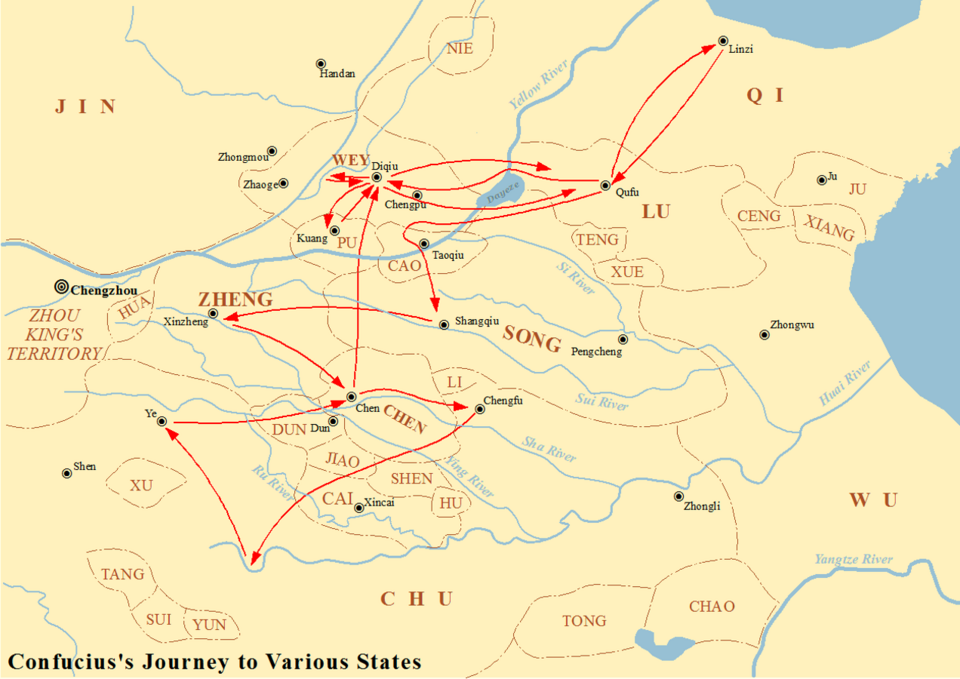
Confucius (c. 551 - c. 479 BCE), born Kong Qiu, was a Chinese philosopher of the Spring and Autumn period who is traditionally considered the paragon of Chinese sages. Much of the shared cultural heritage of the Sinosphere originates in the philosophy and teachings of Confucius. His philosophical teachings, called Confucianism, emphasized personal and governmental morality, harmonious social relationships, righteousness, kindness, sincerity, and a ruler's responsibilities to lead by virtue.
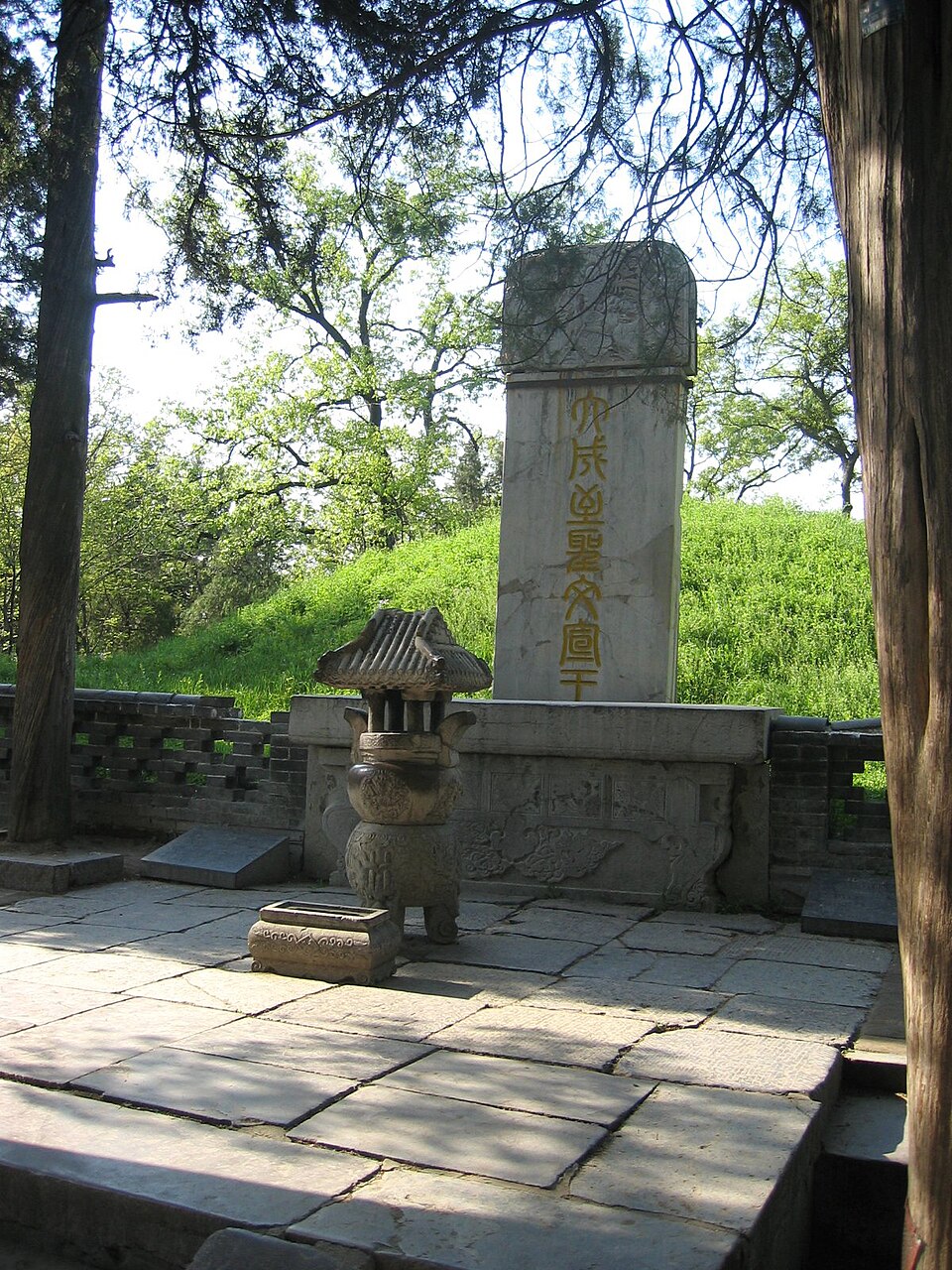
Confucius considered himself a transmitter for the values of earlier periods which he claimed had been abandoned in his time. He advocated for filial piety, endorsing strong family loyalty, ancestor veneration, and the respect of elders by their children and of husbands by their wives. Confucius recommended a robust family unit as the cornerstone for an ideal government. He championed the Silver Rule, or a negative form of the Golden Rule, advising, "Do not do unto others what you do not want done to yourself."
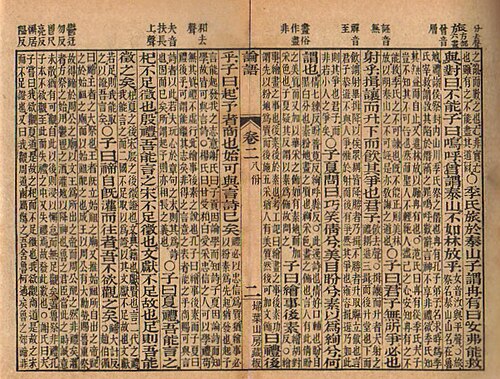
Further reading
Confucius is one of the 3D puzzles in World Artifacts: turn a cloud of broken pieces until it lines up. For iPhone, iPad, Apple Vision Pro and Android.

