World Artifacts › Atlas › China
Red Lantern
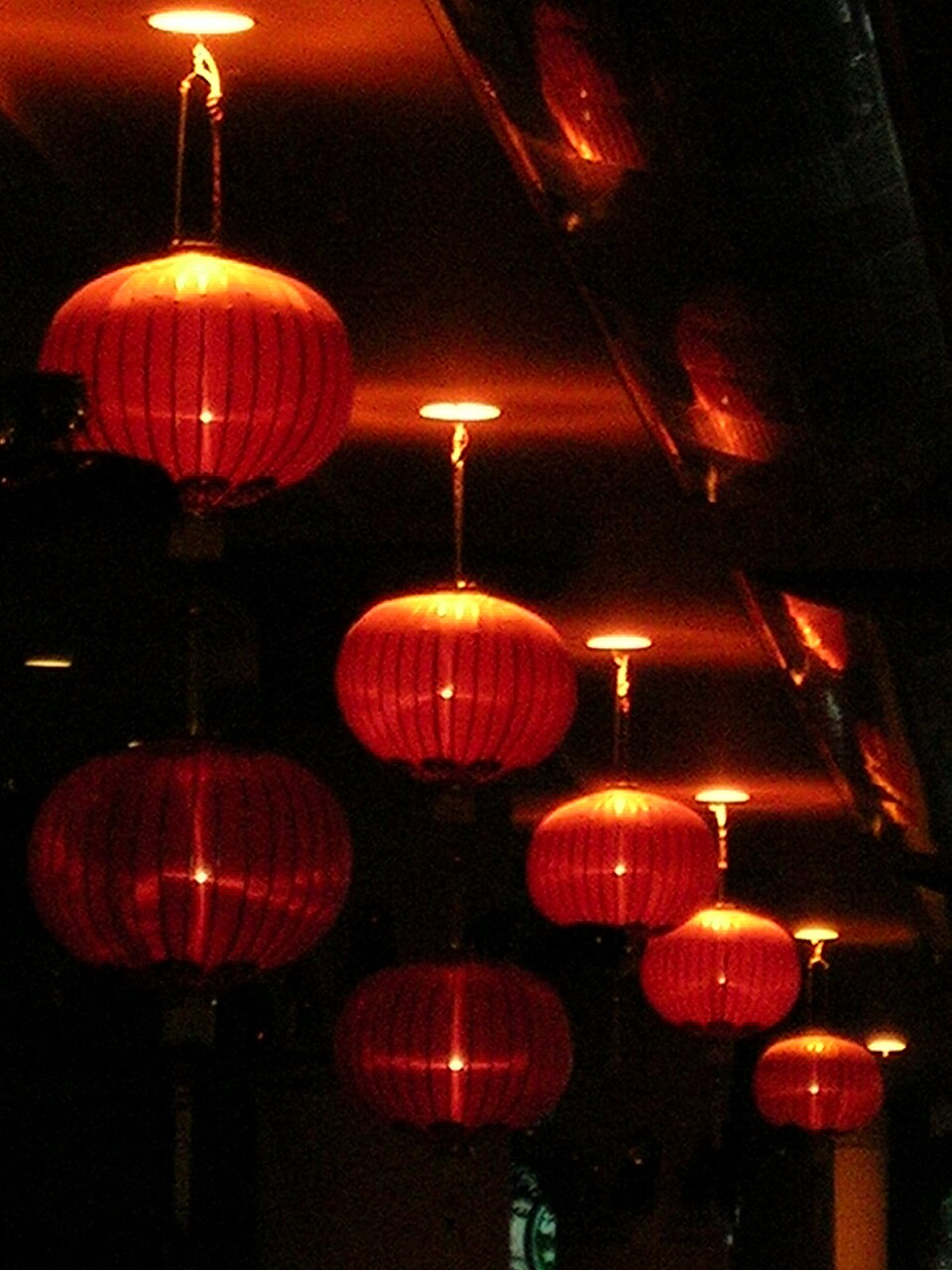
Red is the colour of luck and of driving off bad things, so lanterns are hung in pairs at doors and at the new year. The frame is split bamboo and the covering is paper or silk, so a lantern is meant to be replaced, not kept.
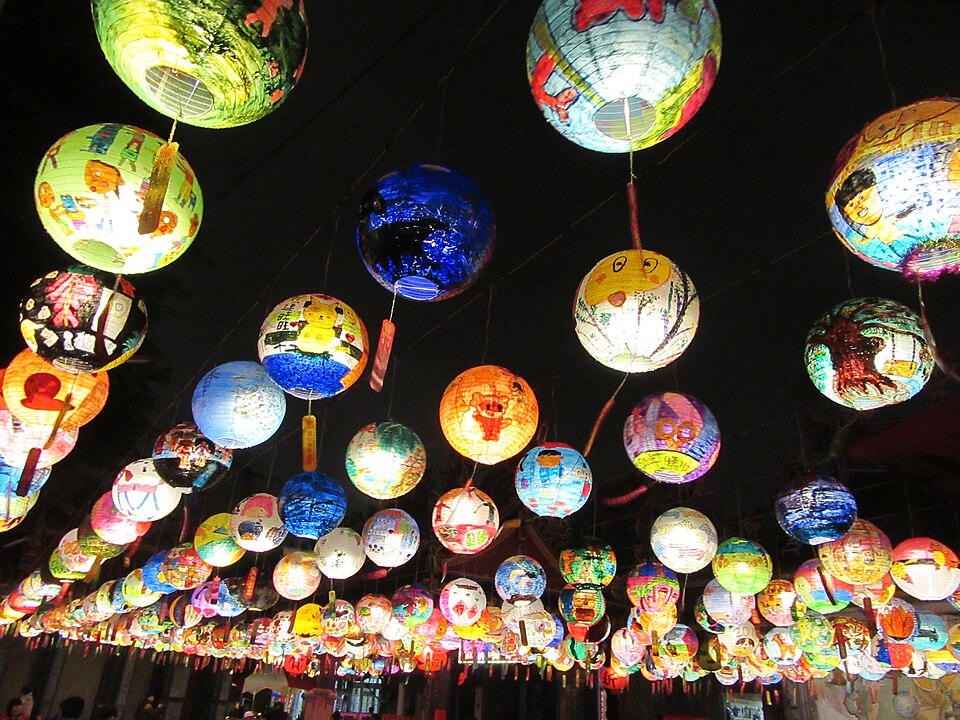
The Lantern Festival (traditional Chinese: 元宵節; simplified Chinese: 元宵节; pinyin: Yuánxiāo jié), also called the Shangyuan Festival or the Yuanxiao Festival, is a Chinese traditional festival celebrated on the fifteenth day of the first month in the lunisolar Chinese calendar, during the full moon. Usually falling in February or early March on the Gregorian calendar, it marks the final day of the traditional Chinese New Year celebrations. As early as the Western Han dynasty (206 BC-AD 25), it had become a festival with great significance.
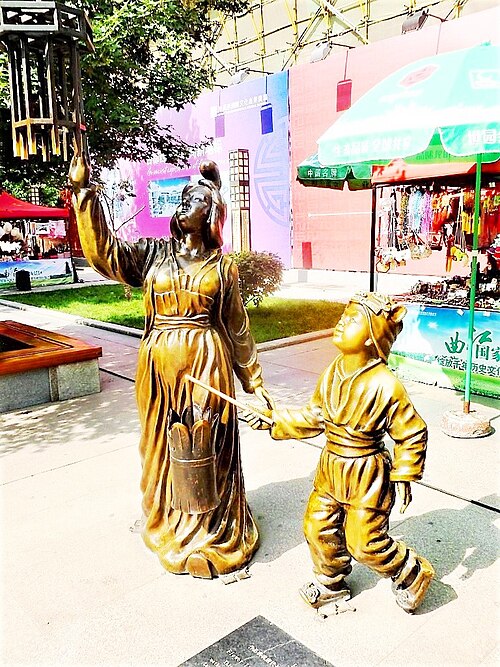
During the Lantern Festival, children go out at night carrying paper lanterns and solving riddles written on them (traditional Chinese: 猜燈謎; simplified Chinese: 猜灯谜; pinyin: cāidēngmí). In ancient times, lanterns were fairly simple, and only the emperor and noblemen had large, ornate ones. In modern times, lanterns have been embellished with intricate designs. For example, lanterns are now often made in the shape of animals. The lanterns can symbolize the people letting go of their past selves and getting new ones, which they will let go of the next year. The lanterns are almost always red to symbolize good fortune.
Further reading
- Mooncakes and hungry ghosts : festivals of China · Carol Stepanchuk (1992)Covers Chinese festivals and customs, including the Lunar New Year.Find a copy: AbeBooks · Amazon · WorldCat
- Chinese Festivals · Wei Liming (2005)Covers Chinese festivals and social life and customs.Find a copy: AbeBooks · Amazon · WorldCat
Red Lantern is one of the 3D puzzles in World Artifacts: turn a cloud of broken pieces until it lines up. For iPhone, iPad, Apple Vision Pro and Android.

