World Artifacts › Atlas › N. Cyprus
Paphos Mosaic
The Roman mosaic floor.
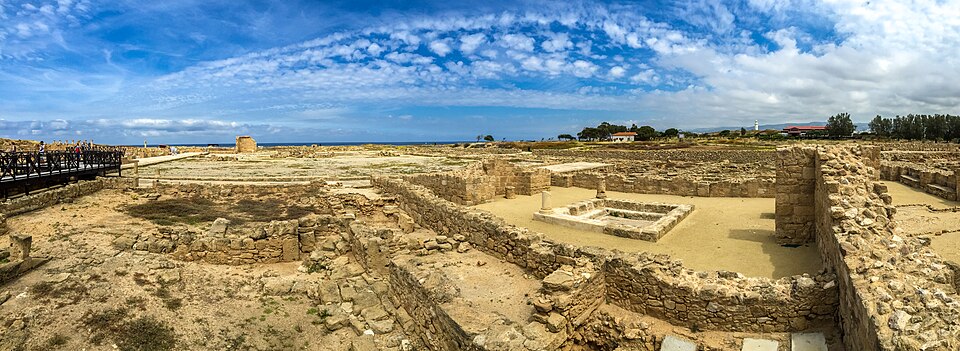
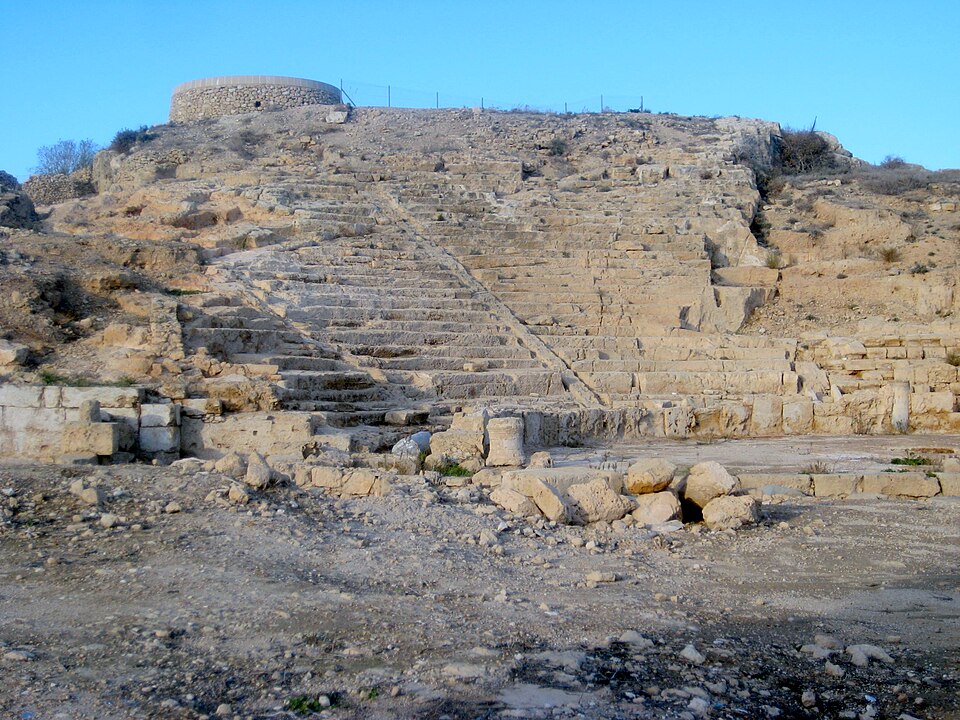
Nea Paphos ("New Paphos") was an ancient city in Cyprus founded in the late 4th century BC. It was built as a successor to Palaepaphos ("Old Paphos") in modern Kouklia, which was the commercial, administrative, and religious center of the Cypriot city-state of Paphos. Nea Paphos was the island's capital under much of its Ptolemaic and Roman administrations, and like its predecessor Palaepaphos became a major maritime trading hub in the eastern Mediterranean. Archaeological excavations at Nea Paphos have uncovered well-preserved urban infrastructure, public buildings, residential compounds, rock-cut tombs, and a harbor complex which date from the city's founding at the start of the Hellenistic era, through Roman rule, and into the island's Byzantine period.
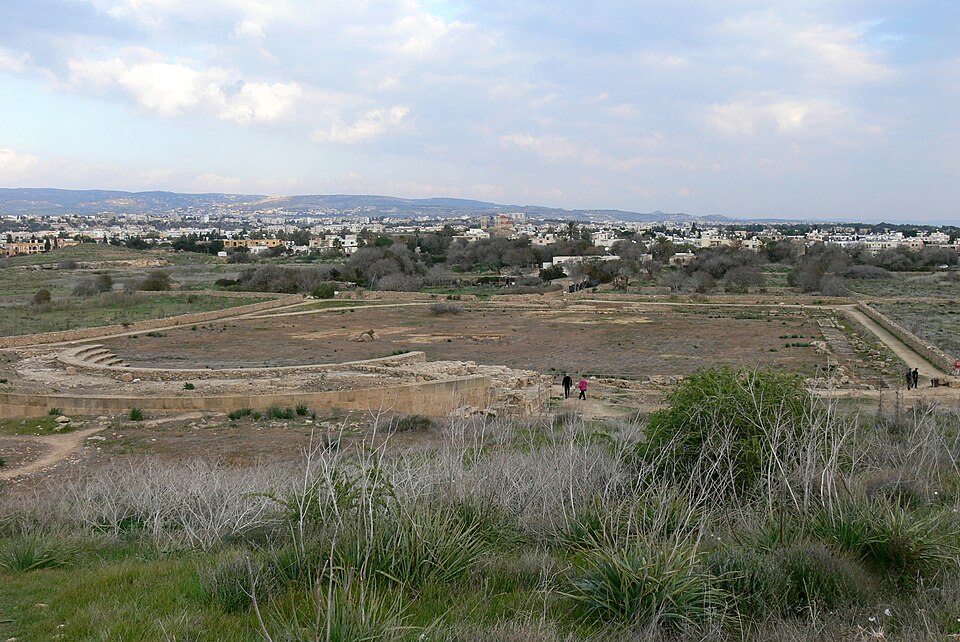
Archaeological excavations at Nea Paphos have uncovered villas with colonnades, atria, wall paintings, and large floor mosaics depicting scenes from classical mythology. Artifacts recovered include large statuary, votive offerings, coinage and minting equipment, and jewelry and other luxury items.
Further reading
Paphos Mosaic is one of the 3D puzzles in World Artifacts: turn a cloud of broken pieces until it lines up. For iPhone, iPad, Apple Vision Pro and Android.

