World Artifacts › Atlas › N. Cyprus
Pithari Jar
The giant clay jar.
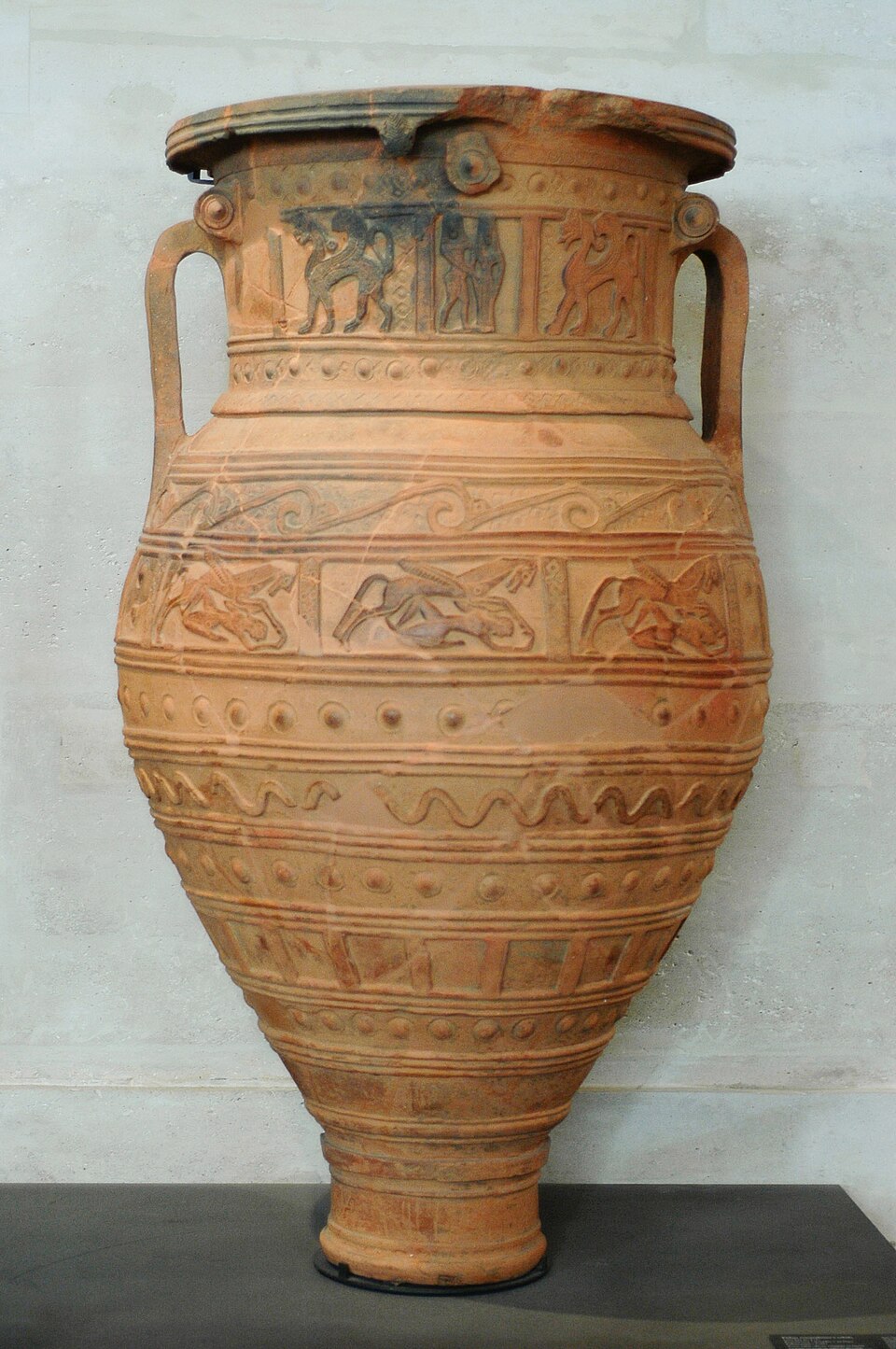
Pithos (, Ancient Greek: πίθος, plural: pithoi πίθοι) is the Greek name of a large storage container. The term in English is applied to such containers used among the civilizations that bordered the Mediterranean Sea in the Neolithic, the Bronze Age and the succeeding Iron Age. Pithoi were used for bulk storage, primarily for fluids and grains; they were comparable to the drums, barrels and casks of recent times.The name was different in other languages; for instance, the Hittites used harsi-.
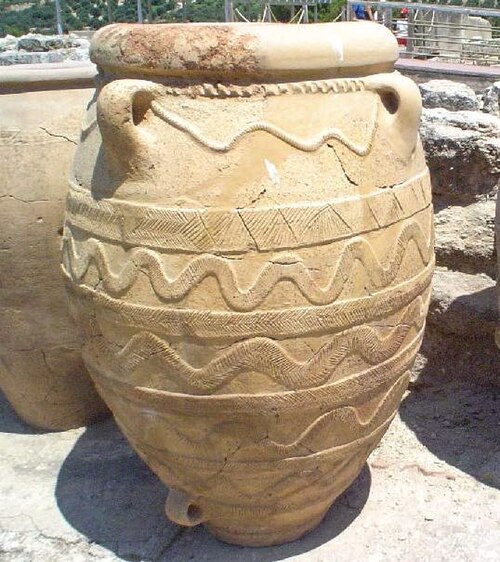
Secondarily, discarded pithoi found other uses. Like the ceramic bathtubs of some periods, the size of a pithos made it a convenient coffin. In Middle Helladic burials in Mycenae and Crete, sometimes the bones of the interred were placed in pithoi. The ancient Iberian culture of El Argar used pithoi for coffins in its B phase (1500-1300 BC).
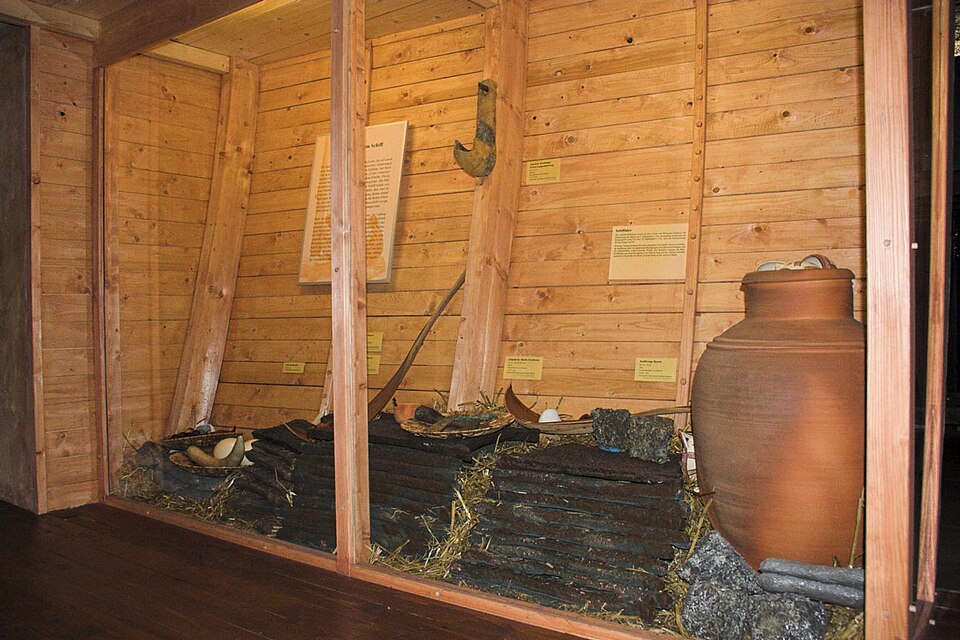
The external shape and materials were approximately the same: a ceramic jar about as high as a man, a base for standing, sides nearly straight or generously curved, and a large mouth with a lid, sealed for shipping.
Jars of this size could not be handled by individuals, especially when full. Various numbers of handles, lugs, or some combination thereof, gave a purchase for some sort of harness used in lifting the jar with a crane.
Pithoi were manufactured and exported or imported over the entire
Further reading
- Cyprus, from the Stone Age to the Romans · Vassos Karageorghis (1982)Covers Cyprus from the Stone Age to the Romans, including its antiquities and civilization.Find a copy: AbeBooks · Amazon · WorldCat
- Ancient Cyprus · Vassos Karageorghis (1981)Surveys ancient Cyprus through its art and antiquities.Find a copy: AbeBooks · Amazon · WorldCat
Pithari Jar is one of the 3D puzzles in World Artifacts: turn a cloud of broken pieces until it lines up. For iPhone, iPad, Apple Vision Pro and Android.

