World Artifacts › Atlas › Germany
Gutenberg Press
Gutenberg's invention was not printing but casting: a mould that could produce thousands of identical letters in metal, quickly, in any language. He lost the business to his financier in a lawsuit and the famous Bibles were sold by the man who sued him.
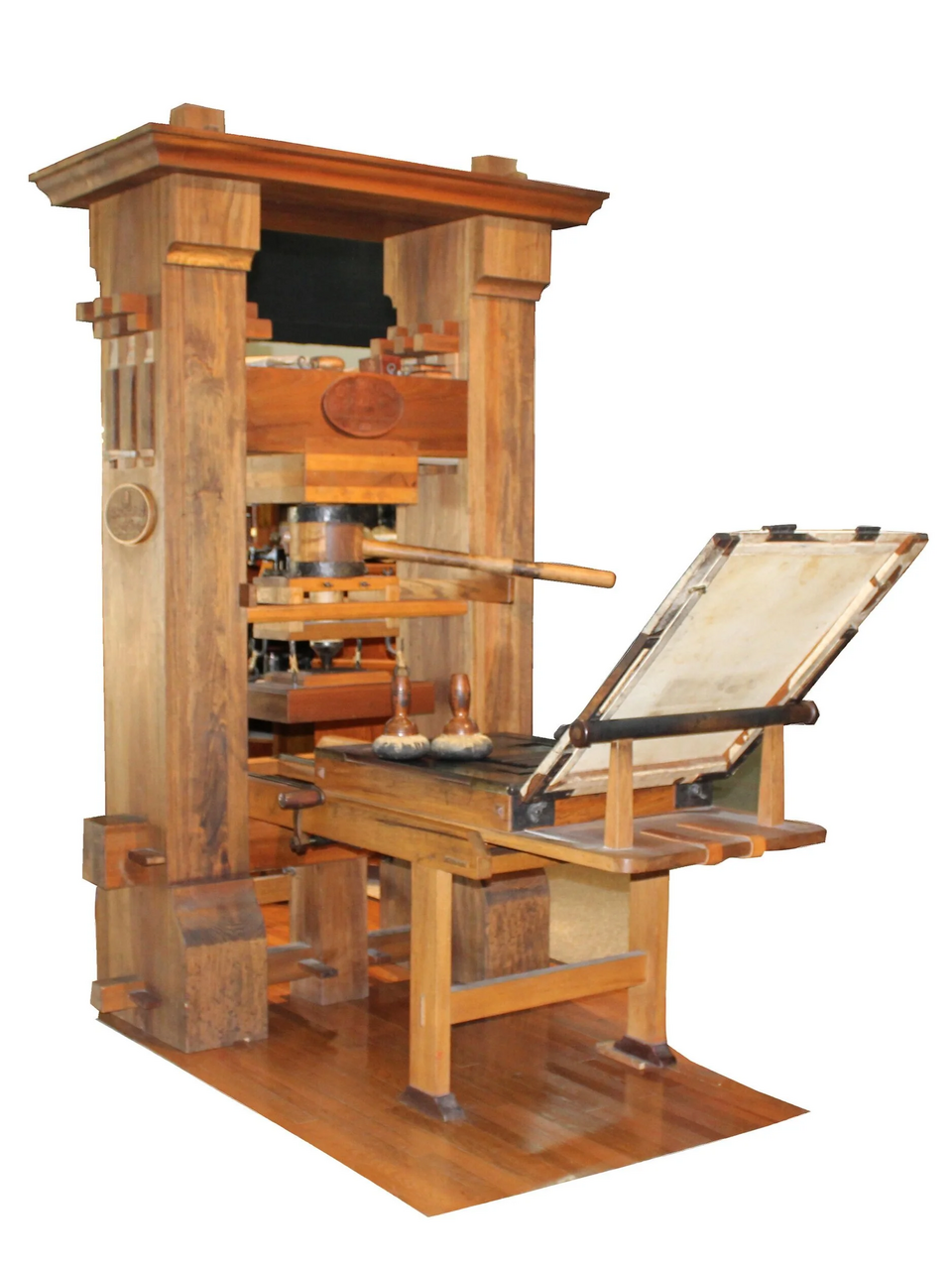
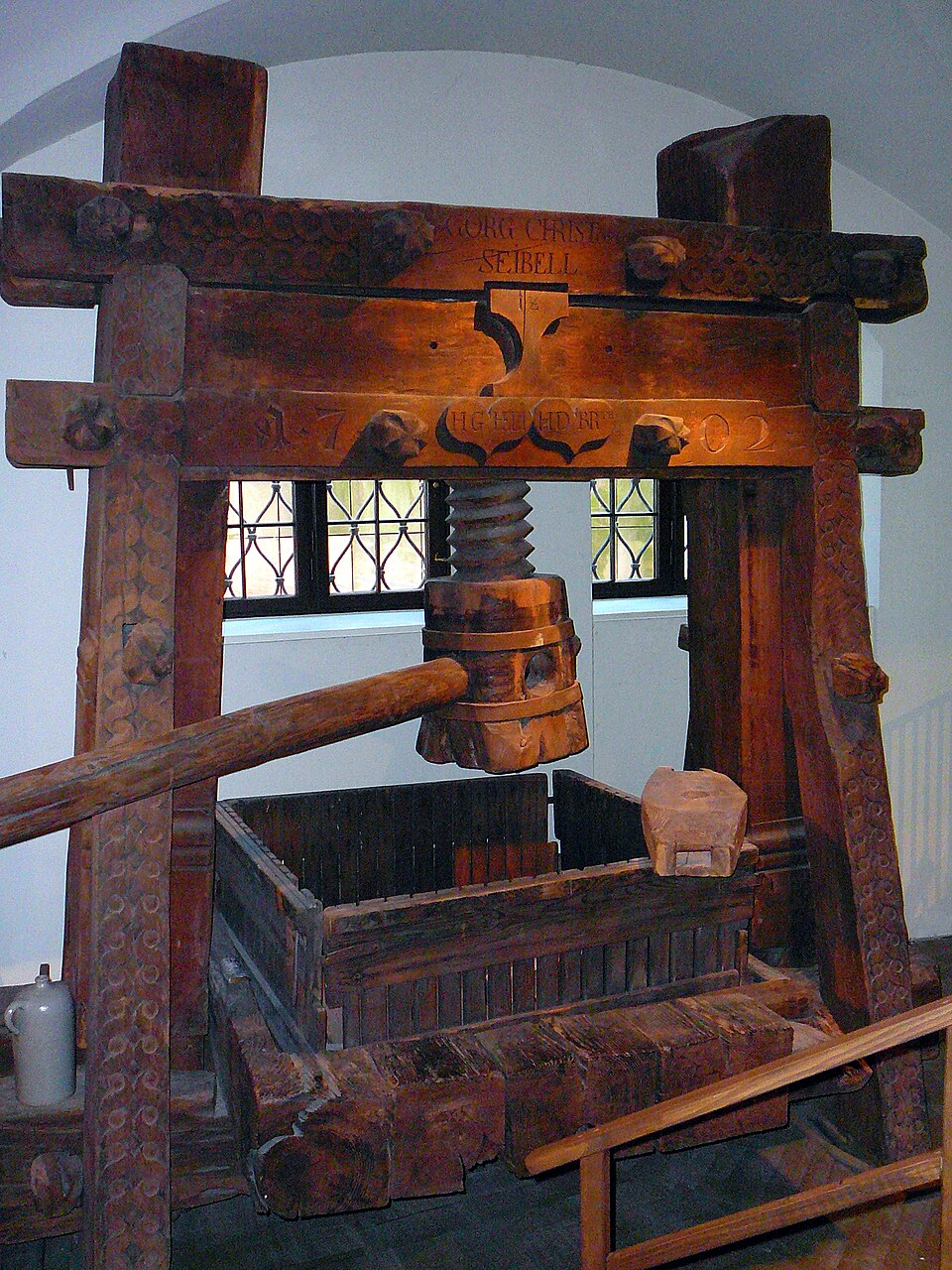
A printing press is a machine that applies pressure to transfer ink onto a surface made of paper, cloth, or a similar material. Its workers are known as printing press operators. It marked a significant improvement on earlier methods, in which the paper was rubbed by hand to transfer applied ink to the printing surface.
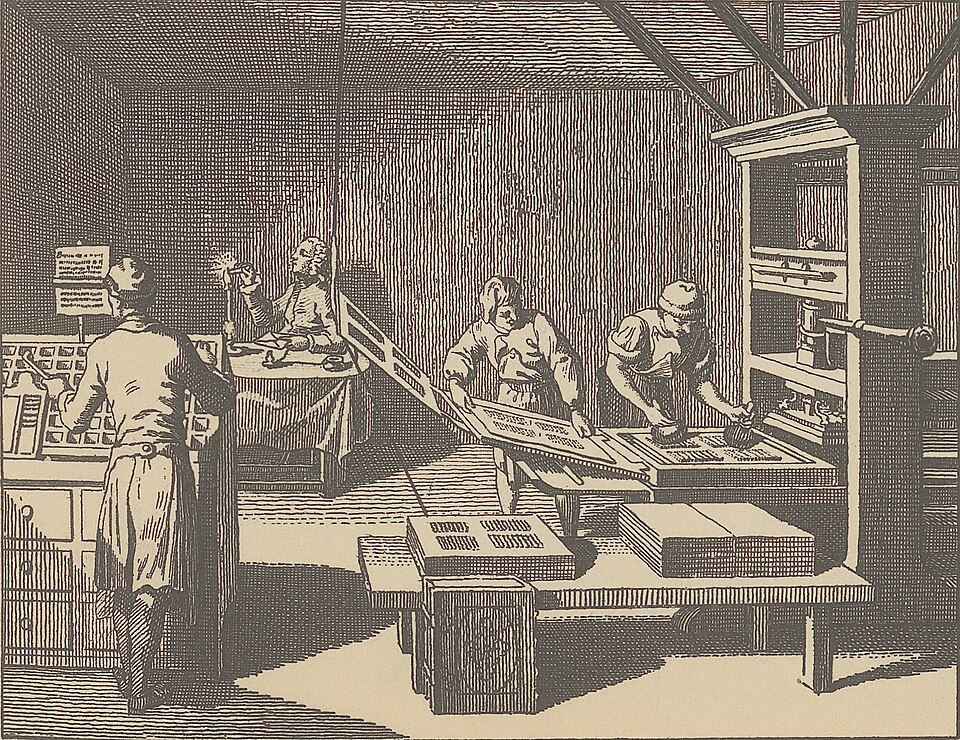
The printing press was invented by the German goldsmith Johannes Gutenberg around 1440, and its subsequent global spread revolutionized literary production and communication during the early modern period. The spread of printing brought about an era of mass communication in European society, allowing information to quickly spread across Europe and contributing to the Reformation and the Scientific Revolution. The cost of printed texts declined and their availability increased, facilitating higher adult literacy rates across Europe. Books increasingly appeared in vernacular languages rather than Latin, and national languages were standardized.
Further reading
Gutenberg Press is one of the 3D puzzles in World Artifacts: turn a cloud of broken pieces until it lines up. For iPhone, iPad, Apple Vision Pro and Android.

