World Artifacts › Atlas › Denmark
Rundetaarn
There are no stairs in the tower: a spiral ramp winds to the top, wide enough for a horse and cart to carry instruments up to the observatory. A Russian tsar is said to have ridden up it, with his wife following in a carriage.
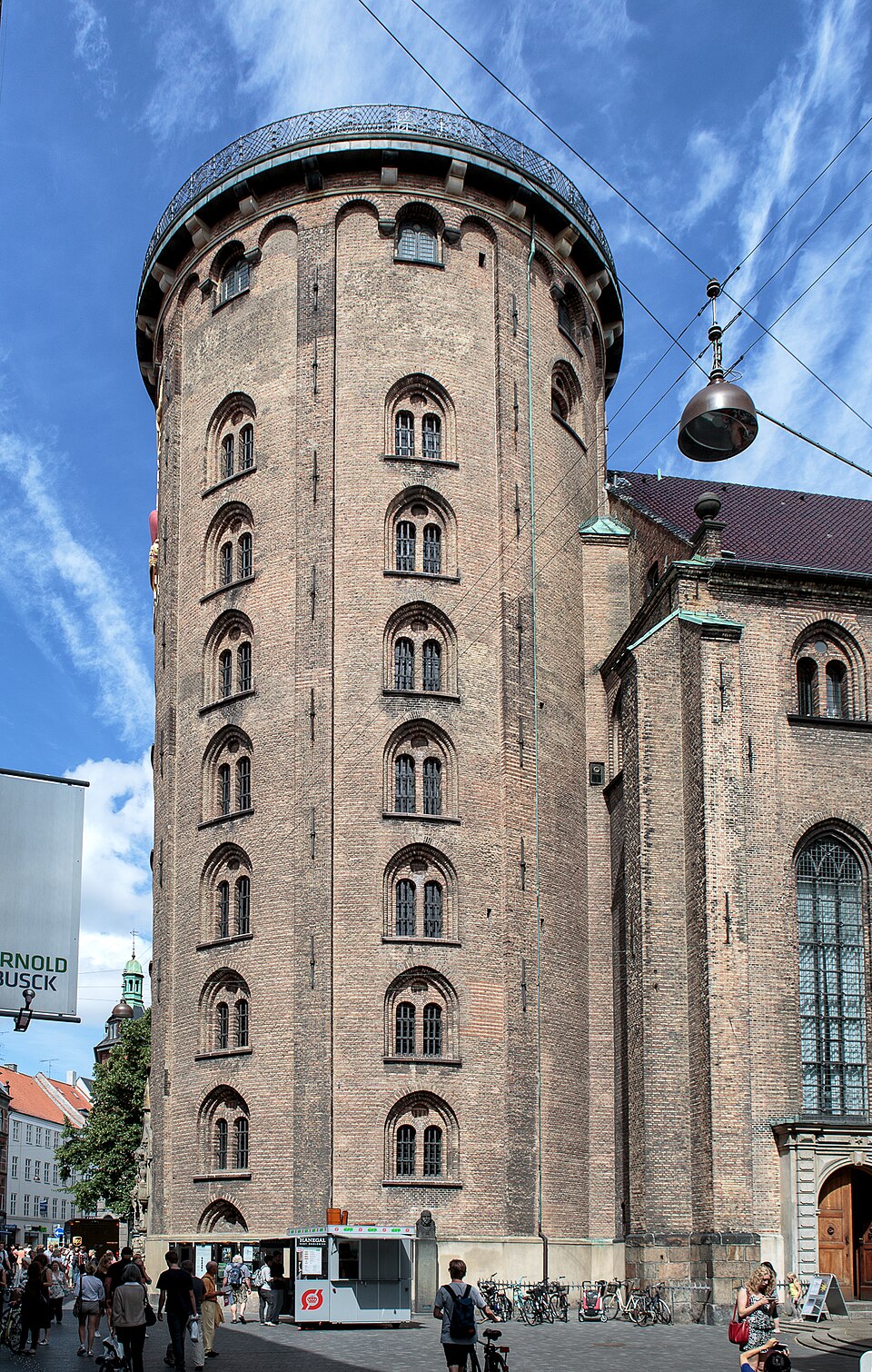
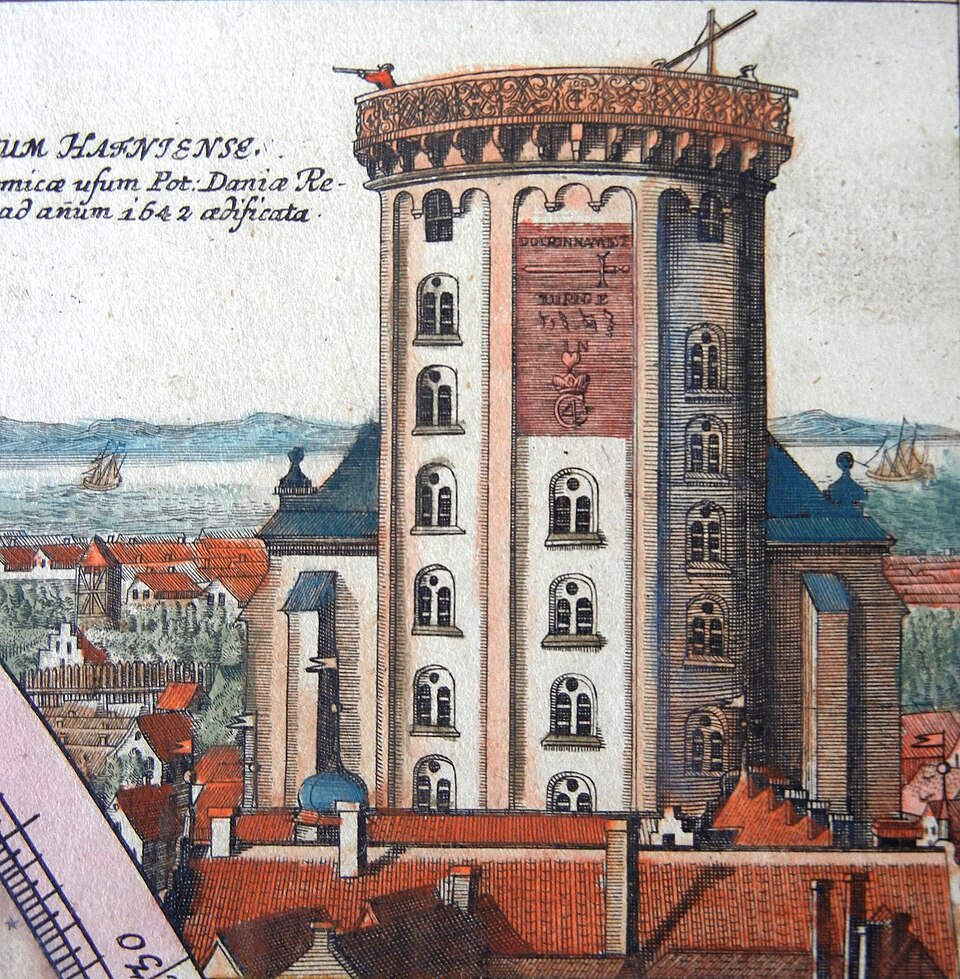
The Round Tower (Danish: Rundetårn) is a 17th-century tower in Copenhagen, Denmark, one of the many architectural projects of Christian IV. Built as an astronomical observatory, it is noted for its equestrian staircase, a 7.5-turn helical corridor leading to the platform at the top (34.8 meters above ground), and its views over Copenhagen.
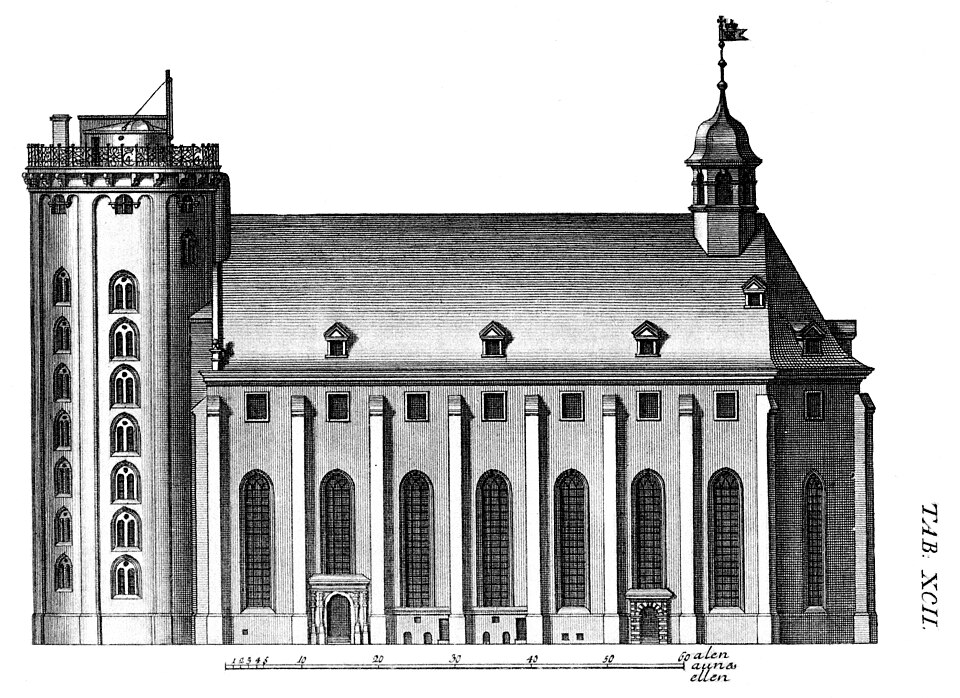
The tower is part of the Trinitatis Complex which also includes a chapel, the Trinitatis Church, and an academic library, which were the first facilities of the Copenhagen University Library founded in 1482.
Rundetaarn is one of the 3D puzzles in World Artifacts: turn a cloud of broken pieces until it lines up. For iPhone, iPad, Apple Vision Pro and Android.

