World Artifacts › Atlas › Denmark
Sankt Hans Bonfire
Midsummer bonfires here carry a straw witch on top who is symbolically sent to the Harz mountains. The custom is not medieval: it started around 1900, well after the witch trials it appears to reference.
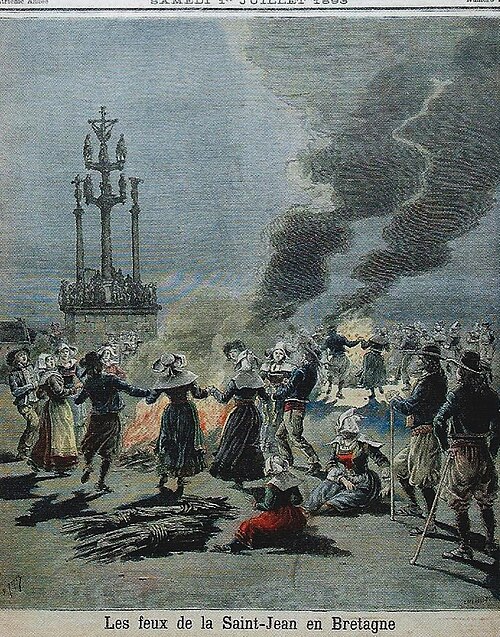
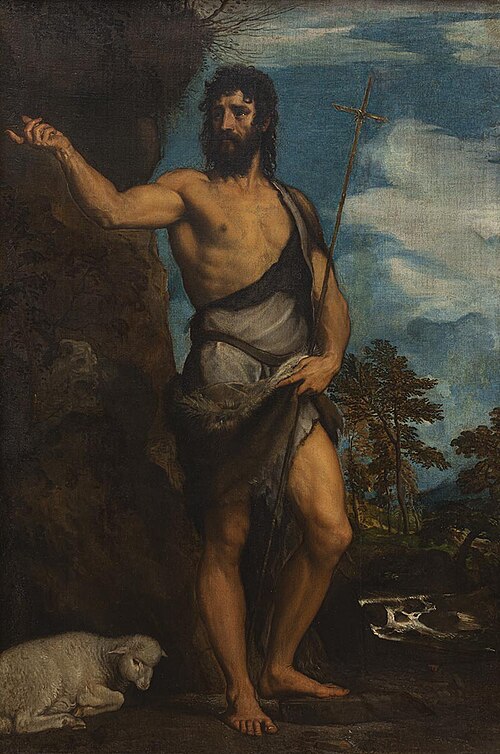
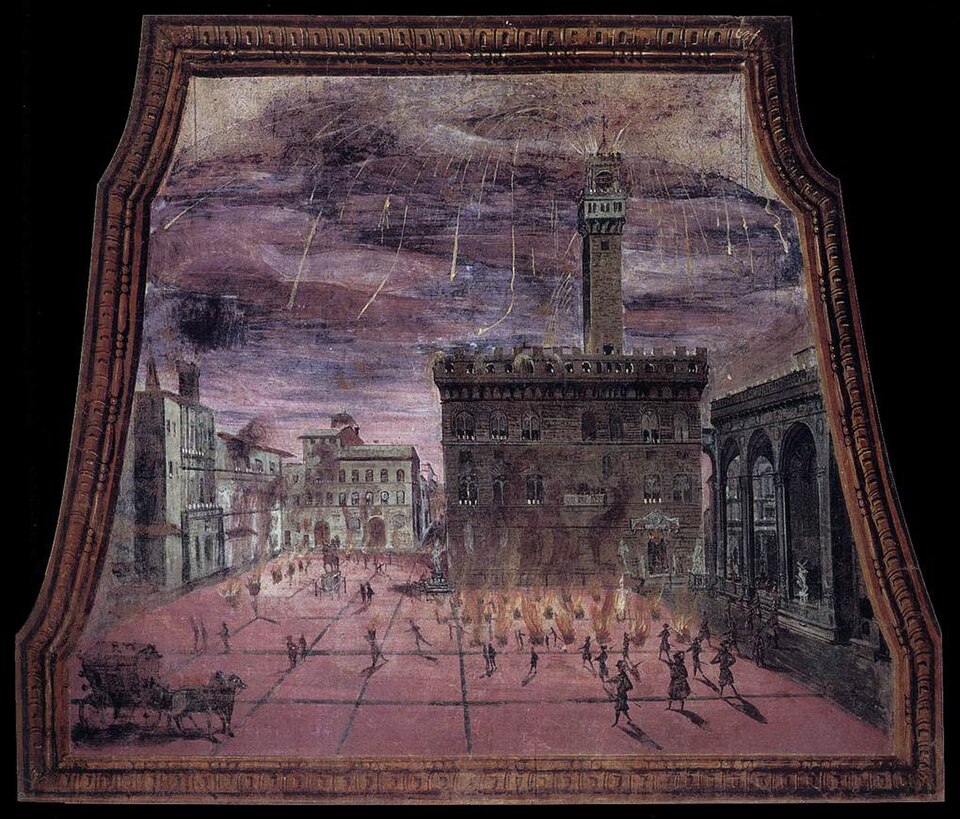
Saint John's Eve, starting at sunset on 23 June, is the eve of the feast day of Saint John the Baptist. It is one of only two feast days marking a saint's earthly birth (the other being the nativity of the Blessed Virgin Mary on 8 September); all other saint's days mark their deaths (dies natalis, their "birth" into Heaven), or some other important event. The Gospel of Luke (Luke 1:26-37, 56-57) states that John was born six months before Jesus; thus, the feast of John the Baptist's birth was fixed on 24 June, six months before Christmas. In the Roman calendar, 24 June was the date of the summer solstice, and Saint John's Eve is closely associated with Midsummer festivities in Europe. Traditions are similar to those of May Day, and include bonfires (Saint John's fires), feasting, processions, church services, and gathering wild plants.
Further reading
- The Stations of the Sun · Ronald Hutton (1996)A history of the ritual year and festivals, including popular customs and folklore.Find a copy: AbeBooks · Amazon · WorldCat
- Midsummer · Anna Franklin (2002)A book on Midsummer, the summer solstice festivals and their rituals.Find a copy: AbeBooks · Amazon · WorldCat
Sankt Hans Bonfire is one of the 3D puzzles in World Artifacts: turn a cloud of broken pieces until it lines up. For iPhone, iPad, Apple Vision Pro and Android.

