World Artifacts › Atlas › Dominican Rep.
Faceless Doll
The clay doll without a face.
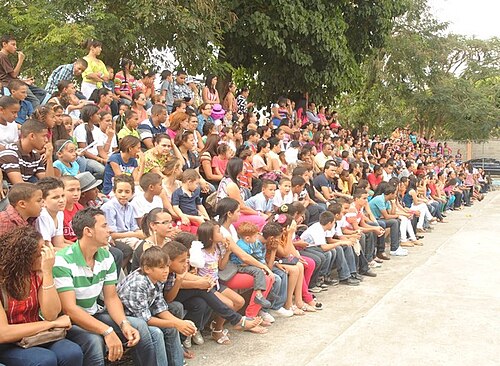
The culture of the Dominican Republic is a diverse mixture of different influences from around the world. The Dominican people and their customs have origins consisting predominantly in a European cultural basis, with Indigenous and African influences.
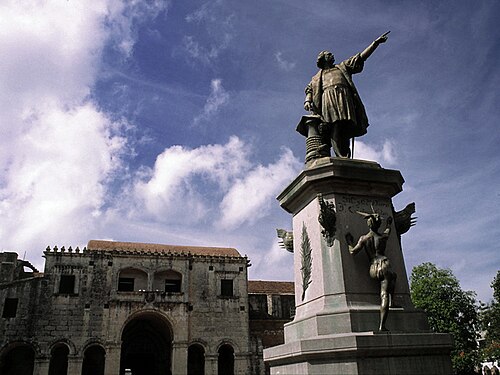
The Dominican Republic was the site of the first European settlement in the Western Hemisphere, namely Santo Domingo founded in 1493. As a result of over five centuries of Spanish presence in the island, the core of Dominican culture is derived from the culture of Spain. The European inheritances include ancestry, language, traditions, law, the predominant religion and the colonial architectural styles. Soon after the arrival of Europeans, African people were imported to the island to serve as slave labor. The fusion of European, Indigenous, and African traditions and customs contributed to the development of present-day Dominican culture.
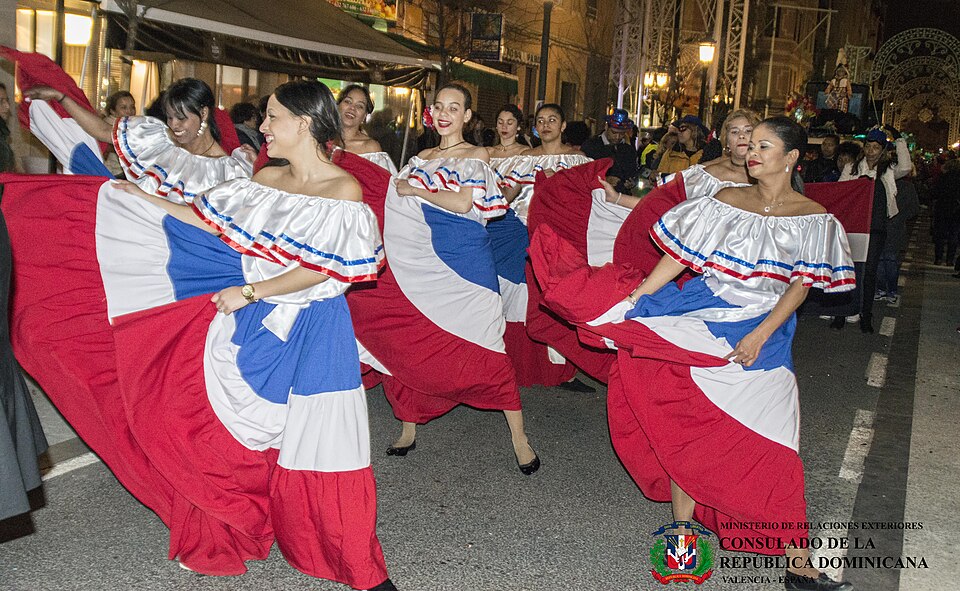
Further reading
- Culture and customs of the Dominican Republic · Isabel Zakrzewski Brown (1999)Covers Dominican popular culture, civilization, and manners and customs, giving the setting for the country's traditional crafts.Find a copy: AbeBooks · Amazon · WorldCat
- Black behind the ears · Ginetta E. B. Candelario (2007)Examines Dominican national identity, race and ethnicity, which is the context in which the faceless figure is usually discussed.Find a copy: AbeBooks · Amazon · WorldCat
Faceless Doll is one of the 3D puzzles in World Artifacts: turn a cloud of broken pieces until it lines up. For iPhone, iPad, Apple Vision Pro and Android.

