World Artifacts › Atlas › Estonia
Mardisandid
The St Martin's day masks.
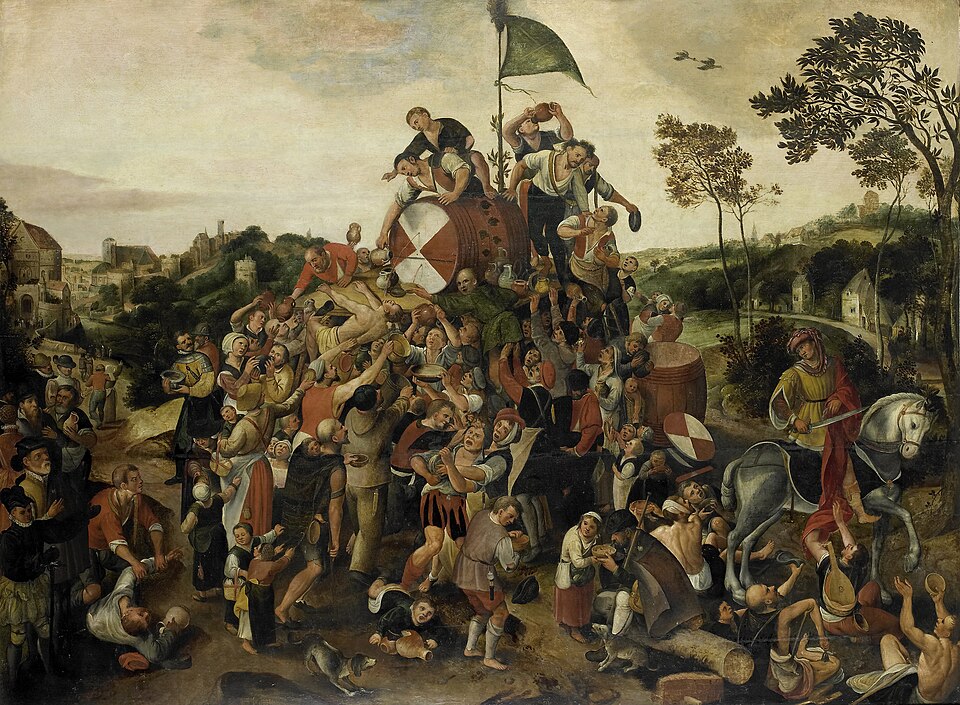
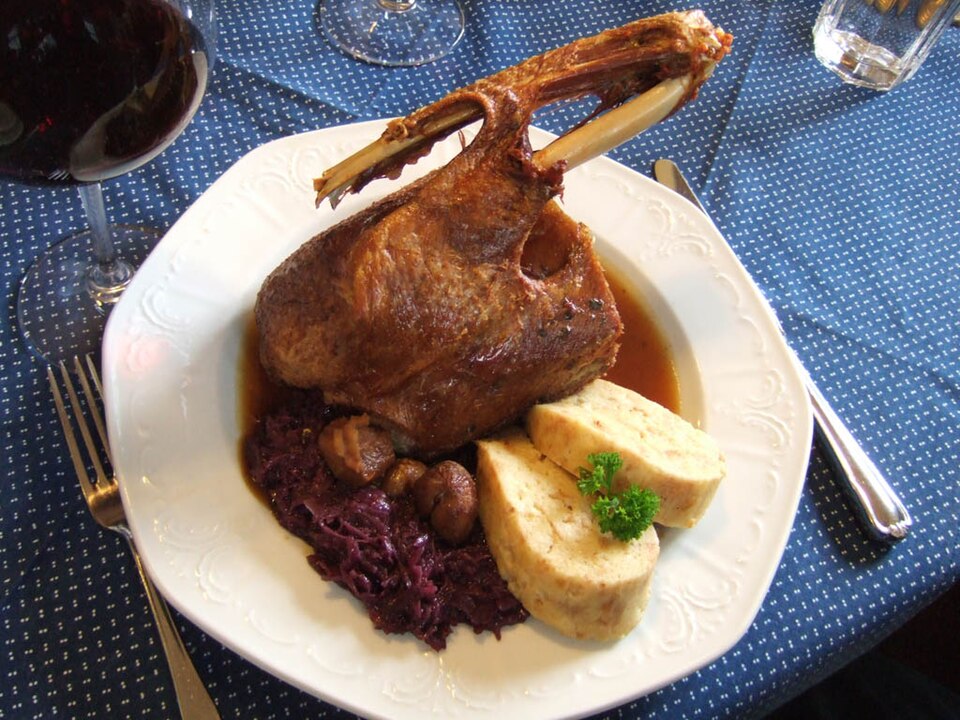
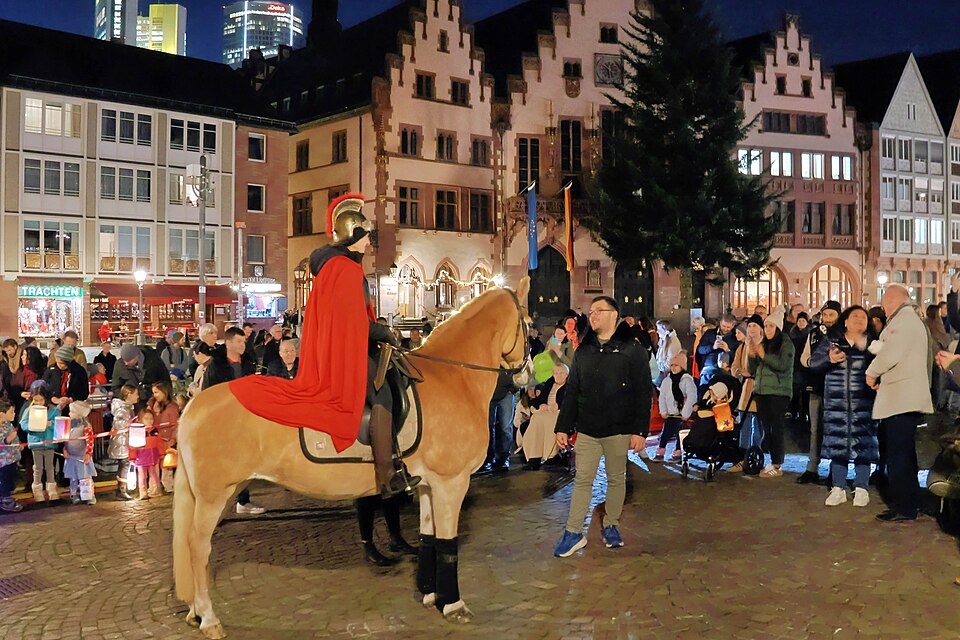
Saint Martin's Day or Martinmas (obsolete: Martlemas), and historically called Old Halloween or Old All Hallows Eve, is the feast day of Saint Martin of Tours and is celebrated in the liturgical year on 11 November. In the Middle Ages and early modern period, it was an important festival in many parts of Europe, particularly Germanic-speaking regions. In these regions, it marked the end of the harvest season and beginning of winter and the "winter revelling season". Traditions include feasting on 'Martinmas goose' or 'Martinmas beef', drinking the first wine of the season, and mumming. In some German and Dutch-speaking towns, there are processions of children with lanterns (Laternelaufen), sometimes led by a horseman representing St Martin. The saint was also said to bestow gifts on children. In the Rhineland, it is also marked by lighting bonfires.
Mardisandid is one of the 3D puzzles in World Artifacts: turn a cloud of broken pieces until it lines up. For iPhone, iPad, Apple Vision Pro and Android.

