World Artifacts › Atlas › Egypt
Alabaster Vase
Egyptian alabaster is not the soft gypsum of the same name but calcite, hard enough to hold an edge and thin enough to glow when held to the light. It has been carved in the same villages near Luxor since the pharaohs.
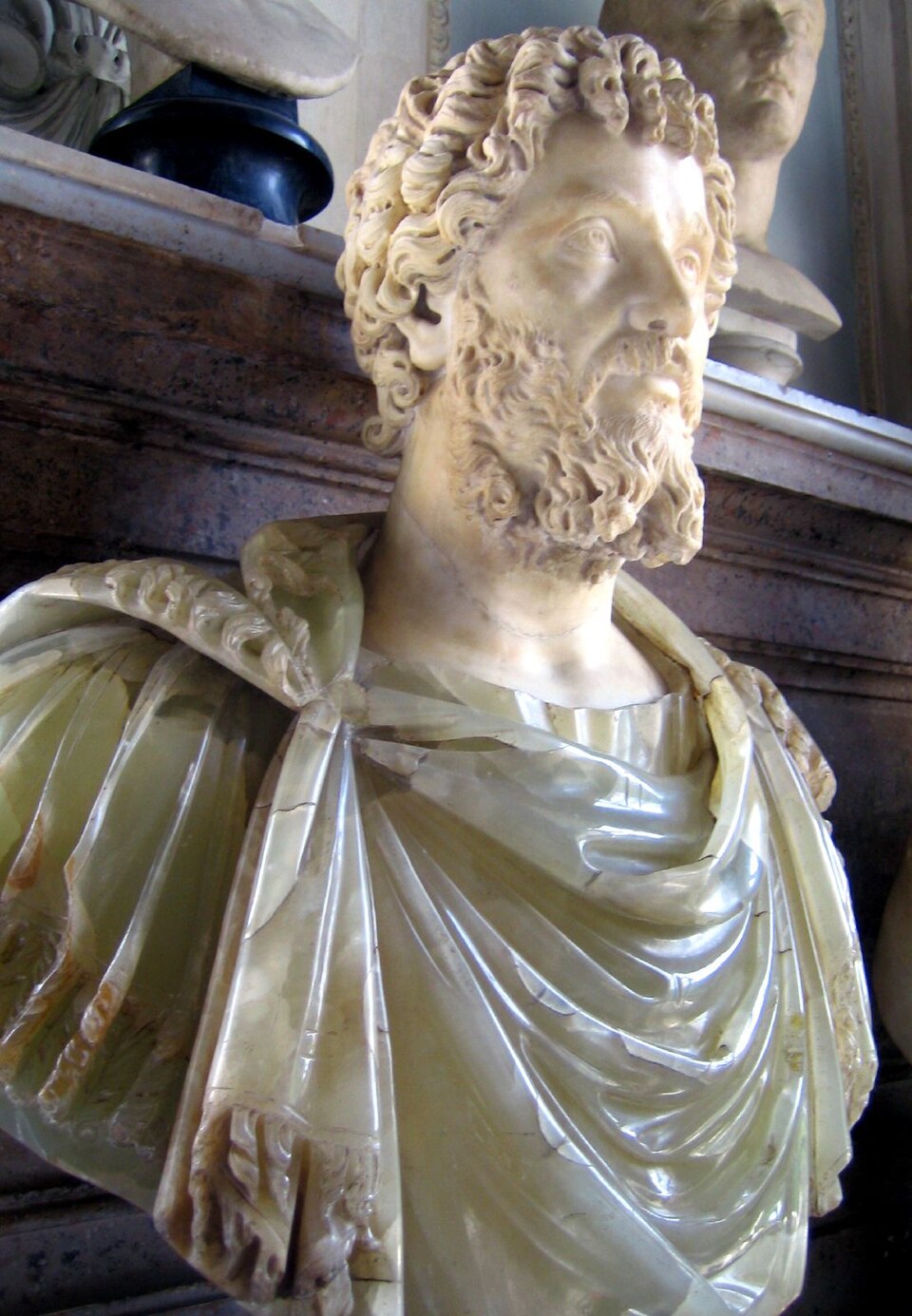
Alabaster is a soft rock used for carvings and as a source of plaster powder. Archaeologists, geologists, and the stone industry have different definitions for the word alabaster. In archaeology, the term alabaster includes objects and artifacts made from two different minerals: (i) the fine-grained, massive type of gypsum, and (ii) the fine-grained, banded type of calcite.
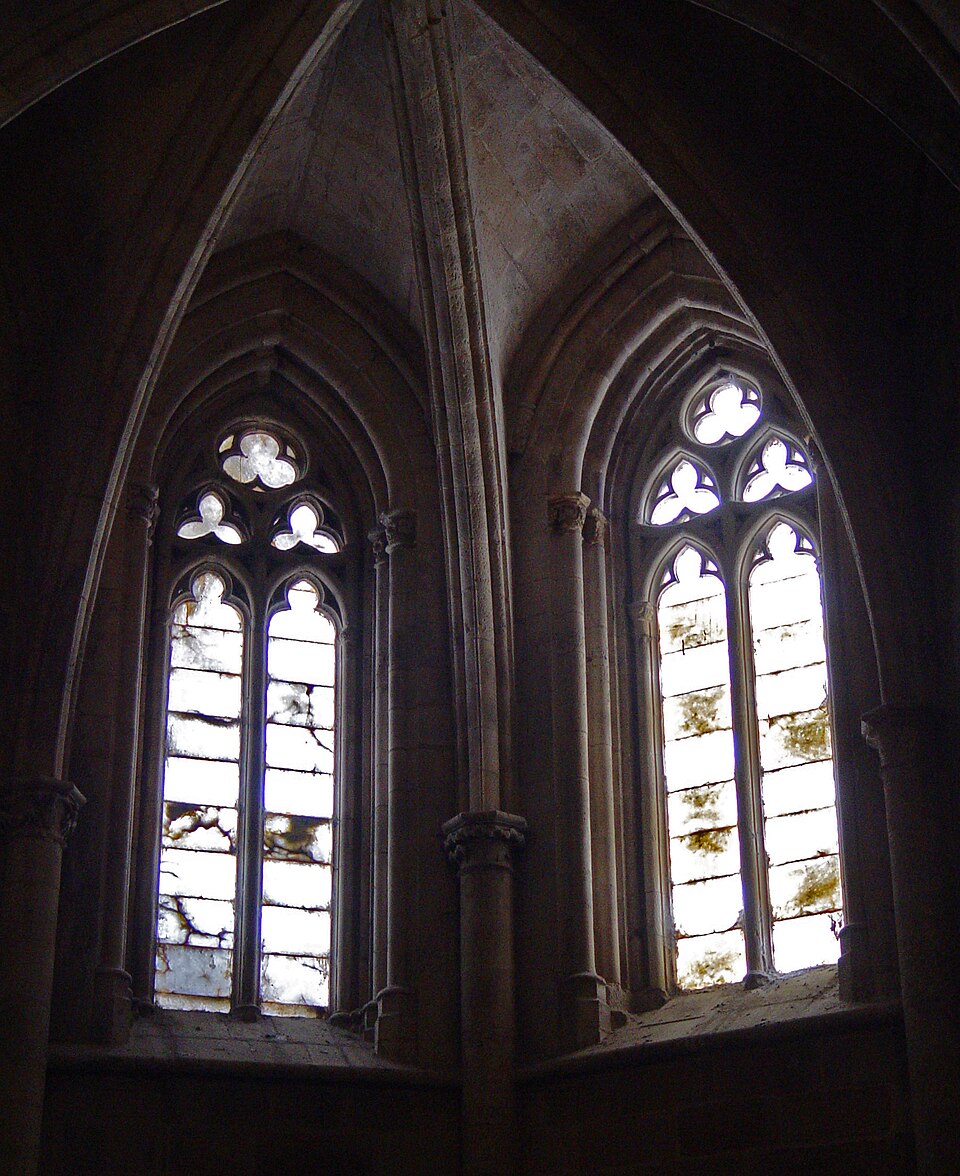
Chemically, gypsum is a hydrous sulfate of calcium, whereas calcite is a carbonate of calcium. As types of alabaster, gypsum and calcite have similar properties, such as light color, translucence, and soft stones that can be carved and sculpted; thus the historical use and application of alabaster for the production of carved, decorative artefacts and objets d’art. Calcite alabaster also is known as onyx-marble, Egyptian alabaster, and Oriental alabaster, which terms usually describe either a compact, banded travertine stone or a stalagmitic limestone colored with swirling bands of cream and brown.
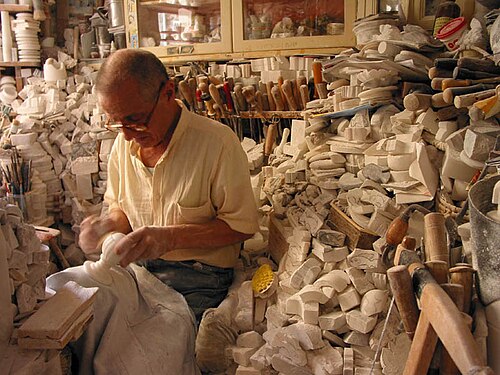
In general, both ancient and modern alabaster is likely to be calcite in the wider Middle East, including Egypt and Mesopotamia, and gypsum in Europe and the Americas. Both are easy to work and slightly soluble in water. They have been used for making a variety of indoor artwork and carving, as they will not survive long outdoors.
Further reading
- Ancient Egyptian stone vessels · Barbara G. Aston (1994)Study of ancient Egyptian stone vessels, including the mines and stone sources used to make them.Find a copy: AbeBooks · Amazon · WorldCat
- Ancient Egyptian Materials And Technology · Paul T. Nicholson (2000)Covers Egyptian materials and technology, including quarrying and the working of stone.Find a copy: AbeBooks · Amazon · WorldCat
Alabaster Vase is one of the 3D puzzles in World Artifacts: turn a cloud of broken pieces until it lines up. For iPhone, iPad, Apple Vision Pro and Android.

