World Artifacts › Atlas › Egypt
Bastet
Egypt mummified cats by the million as offerings to Bastet. In the 1800s a shipment of them was sold to England as agricultural fertiliser and ground up on the fields.
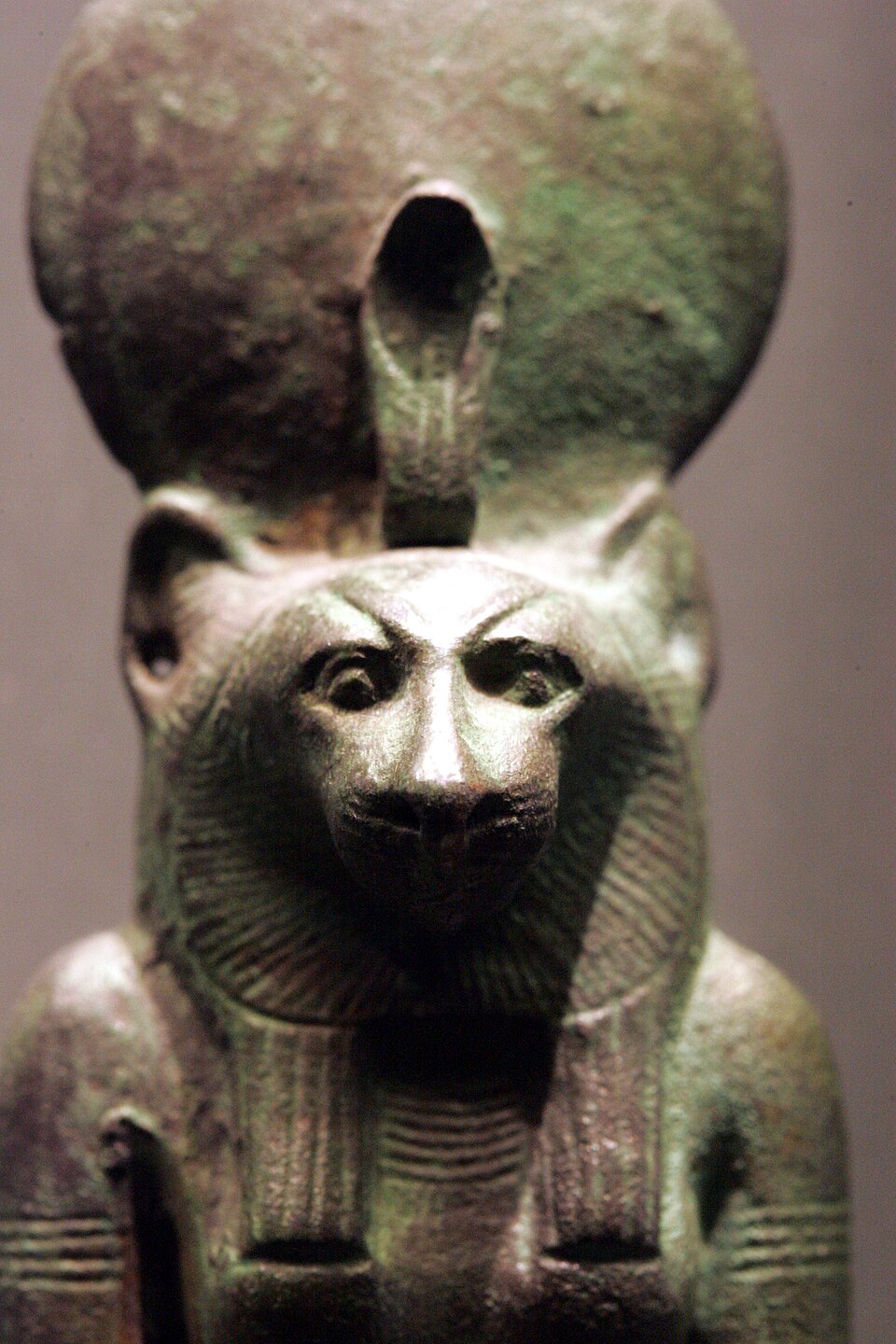
Bastet or Bast (Ancient Egyptian: bꜣstt), also known as Ubasti or Bubastis, is a goddess of ancient Egyptian religion worshipped as early as the Second Dynasty (2890 BCE). In ancient Greek religion, she was known as Ailuros (Koine Greek: αἴλουρος, lit. 'cat').
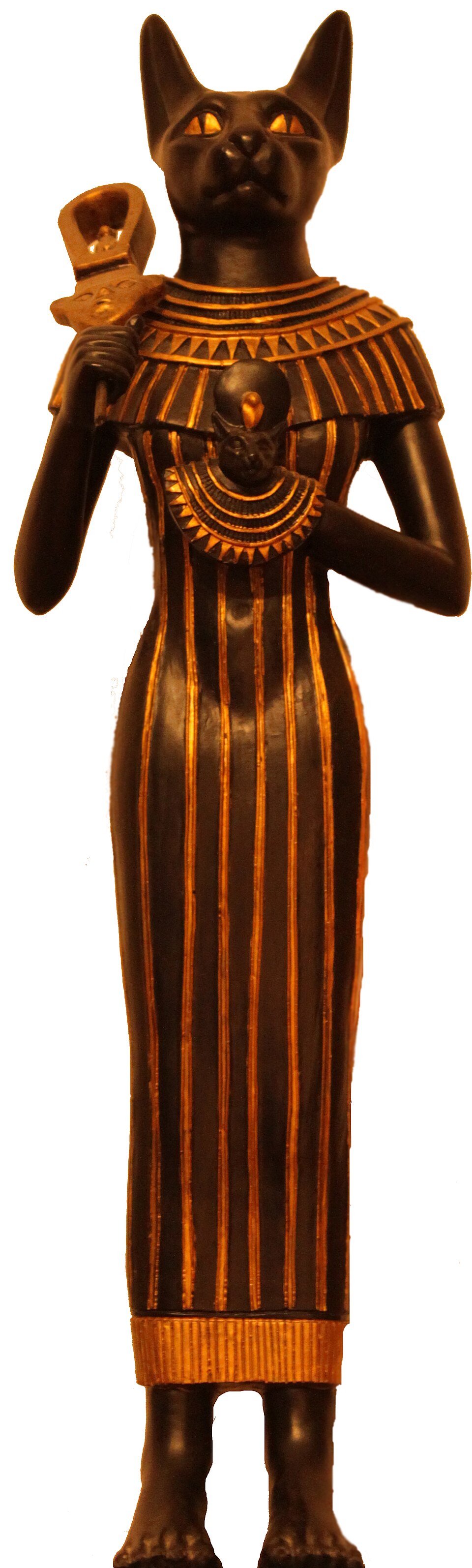
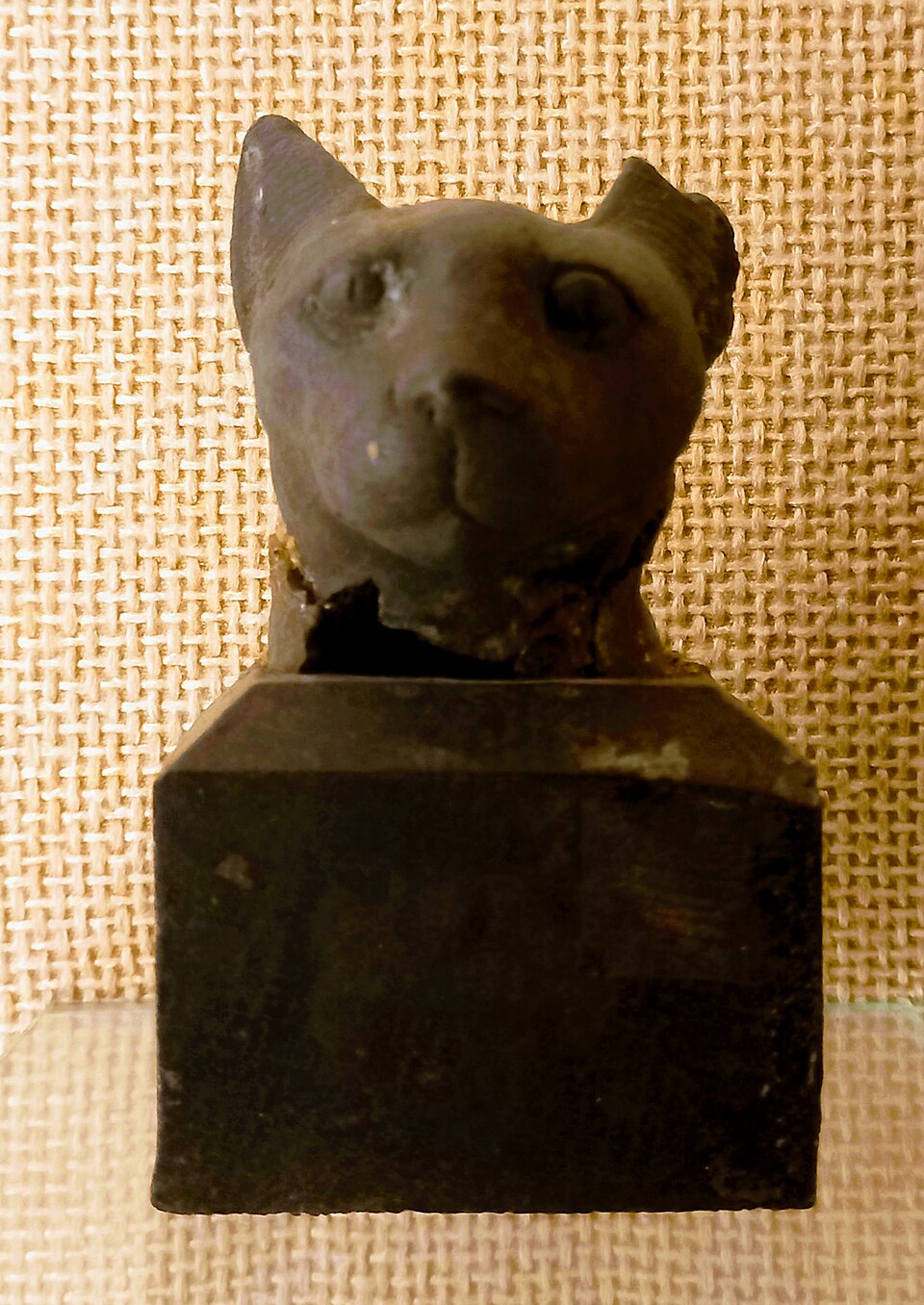
Bastet was worshipped in Bubastis in Lower Egypt, originally as a lioness goddess, a role shared by other deities such as Sekhmet. Eventually Bastet and Sekhmet were characterized as two aspects of the same goddess, with Sekhmet representing the powerful warrior and protector aspect, and Bastet, who increasingly was depicted as a cat, representing a gentler aspect.
Further reading
- The Cat in Ancient Egypt · Jaromir Malek (1994)A study of the cat in ancient Egypt, covering the animal's place in Egyptian life from early times.Find a copy: AbeBooks · Amazon · WorldCat
- Divine Creatures · Salima Ikram (2005)Covers mummified animals in Egyptian archaeology, the tradition behind the cat mummies offered to Bastet.Find a copy: AbeBooks · Amazon · WorldCat
Bastet is one of the 3D puzzles in World Artifacts: turn a cloud of broken pieces until it lines up. For iPhone, iPad, Apple Vision Pro and Android.

