World Artifacts › Atlas › Egypt
Egyptian Cobra
The rearing cobra on a pharaoh's brow is the uraeus, placed there to spit at the king's enemies. The snake that killed Cleopatra, if a snake did, was most likely this one rather than the asp of the poem.
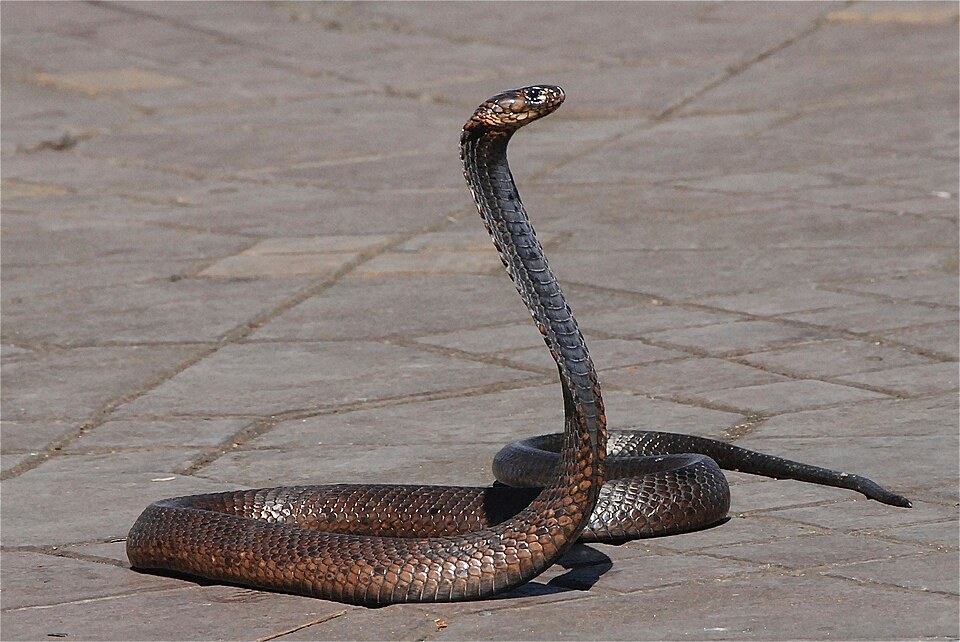
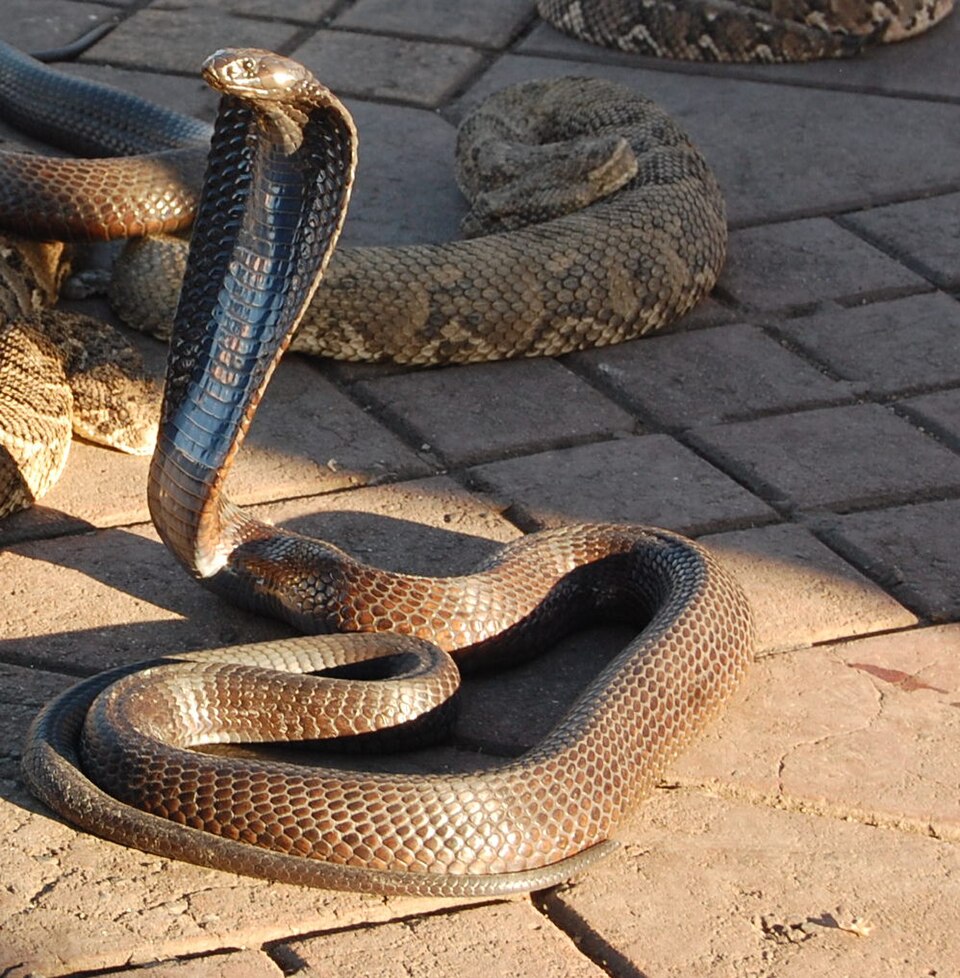
The Egyptian cobra (Naja haje) is an elapid venomous snake species in the genus Naja. It is one of the most venomous species of snakes inhabiting Northern Africa. The venom of the Egyptian cobra can be lethal to humans and consists mostly of neurotoxins and cytotoxins. Unlike most other cobras, the species does not spit venom. It averages roughly 1.4 metres (4.6 ft) in length; the longest specimen recorded so far measured 2.59 metres (8.5 ft). The species varies highly in color, ranging from shades of brown, copper-red, grey-brown to black. It mostly preys on toads but is also known to prey on small mammals, birds, lizards, and other snakes.
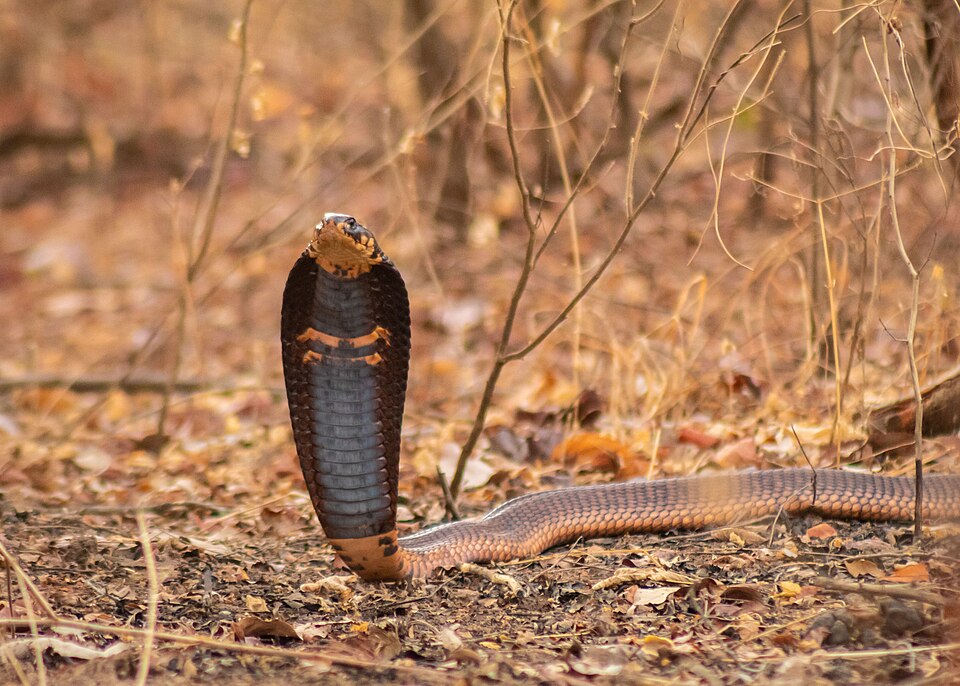
Naja haje was represented in Egyptian mythology by the goddess Meretseger. A stylised Egyptian cobra in the form of the uraeus representing the goddess Wadjet was the symbol of sovereignty for the Pharaohs, who incorporated it into their diadem. The snake was believed to be the cause of death of the Egyptian queen Cleopatra by ancient sources.
Further reading
Egyptian Cobra is one of the 3D puzzles in World Artifacts: turn a cloud of broken pieces until it lines up. For iPhone, iPad, Apple Vision Pro and Android.

