World Artifacts › Atlas › Egypt
Eye of Horus
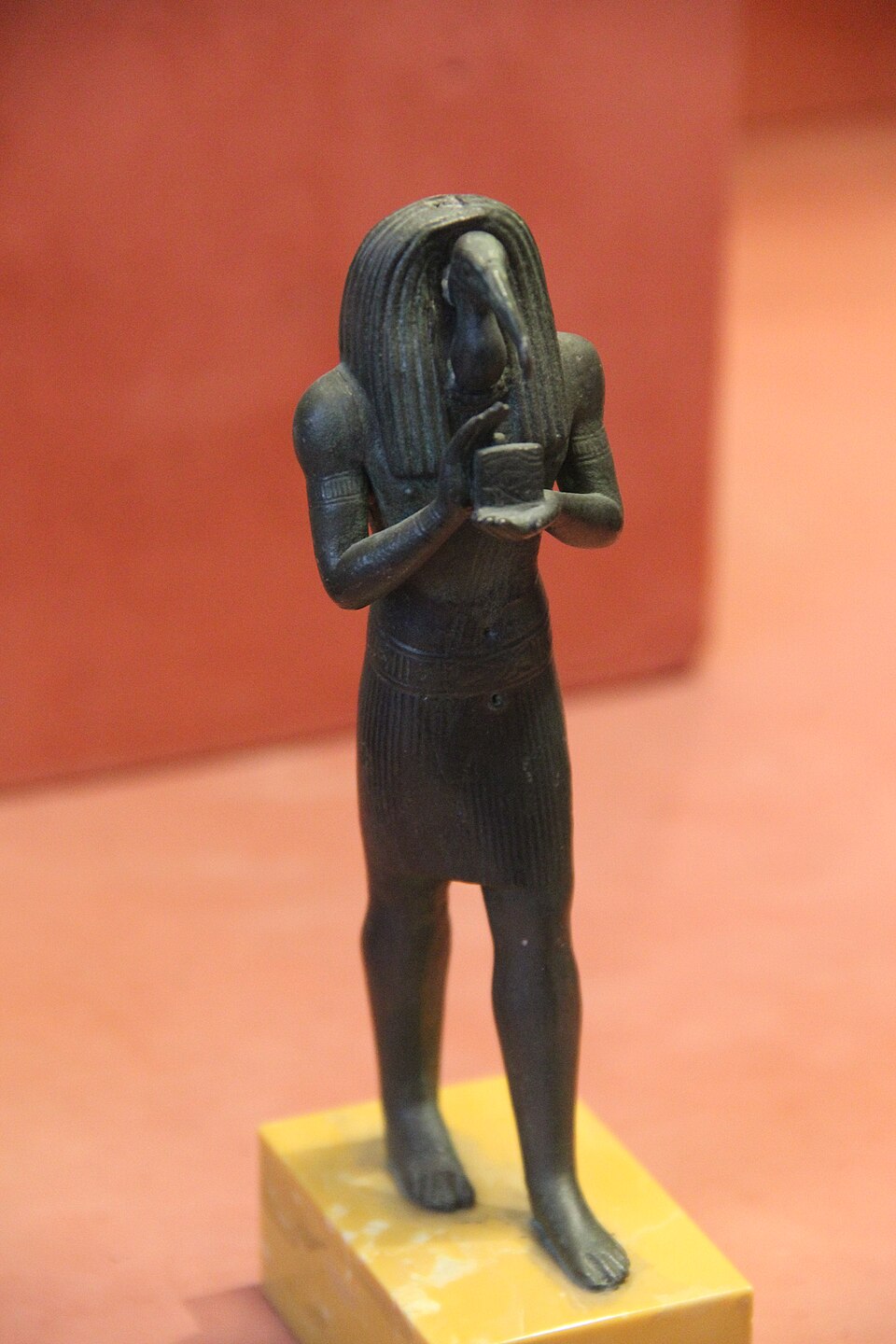
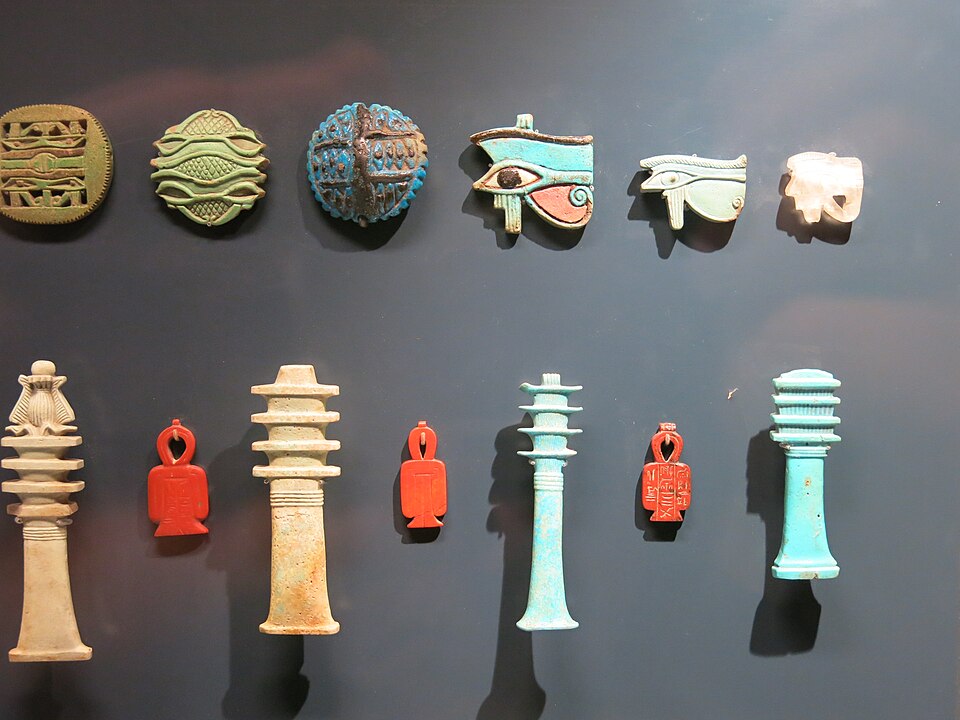
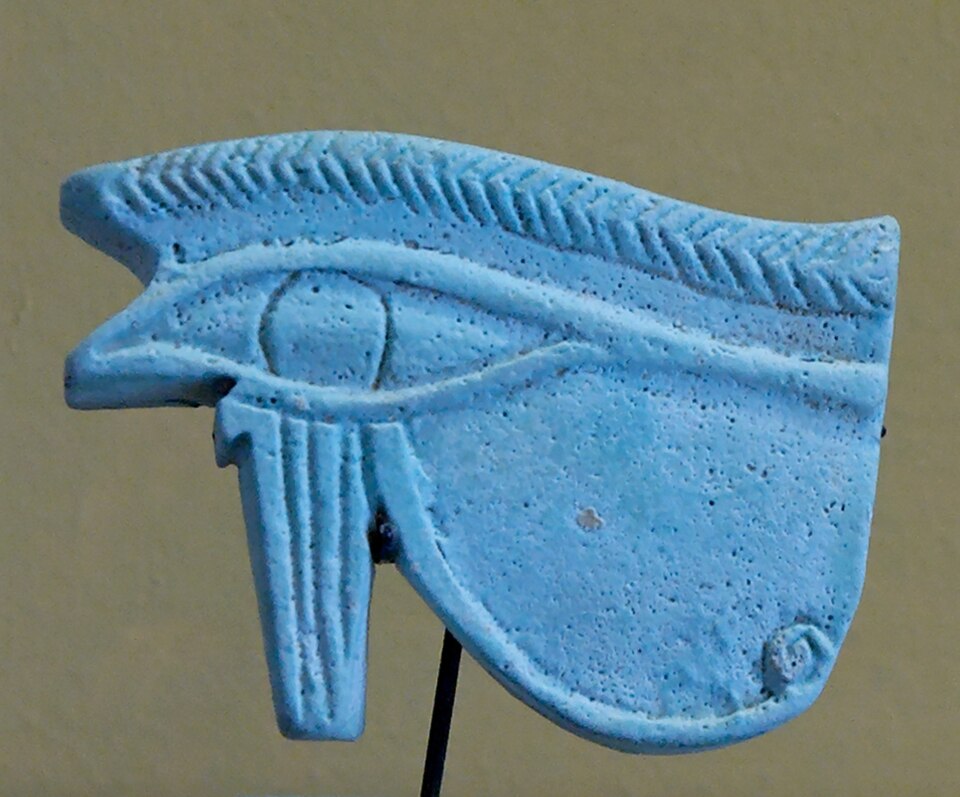
The eye was torn out in a fight with Set and healed by Thoth, so the sign means healing and wholeness rather than surveillance. It was painted on coffins and worn as an amulet by the living.
The Eye of Horus, usually depicted as left wedjat-eye (paired with the Eye of Ra, right wedjat-eye), is a concept and symbol in ancient Egyptian religion that represents well-being, healing, and protection. It derives from the mythical conflict between the god Horus with his rival Set, in which Set tore out or destroyed one or both of Horus's eyes and the eye was subsequently healed or returned to Horus with the assistance of another deity, such as Thoth. Horus subsequently offered the eye to his deceased father Osiris, and its revitalizing power sustained Osiris in the afterlife. The Eye of Horus was thus equated with funerary offerings, as well as with all the offerings given to deities in temple ritual. It could also represent other concepts, such as the moon, whose waxing and waning was likened to the injury and restoration of the eye.
Further reading
- Amulets of ancient Egypt · Carol Andrews (1994)A catalogue of ancient Egyptian amulets from the British Museum's Egyptian collection.Find a copy: AbeBooks · Amazon · WorldCat
- Symbol & Magic in Egyptian Art · Richard H. Wilkinson (1994)A study of symbolism and magic in Egyptian art.Find a copy: AbeBooks · Amazon · WorldCat
Eye of Horus is one of the 3D puzzles in World Artifacts: turn a cloud of broken pieces until it lines up. For iPhone, iPad, Apple Vision Pro and Android.

