World Artifacts › Atlas › Egypt
Mulid Sugar Doll
The sugar bride is bought for children at the festival of the Prophet's birthday, and the shape has barely changed in centuries. It is made from boiled sugar poured into wooden moulds.
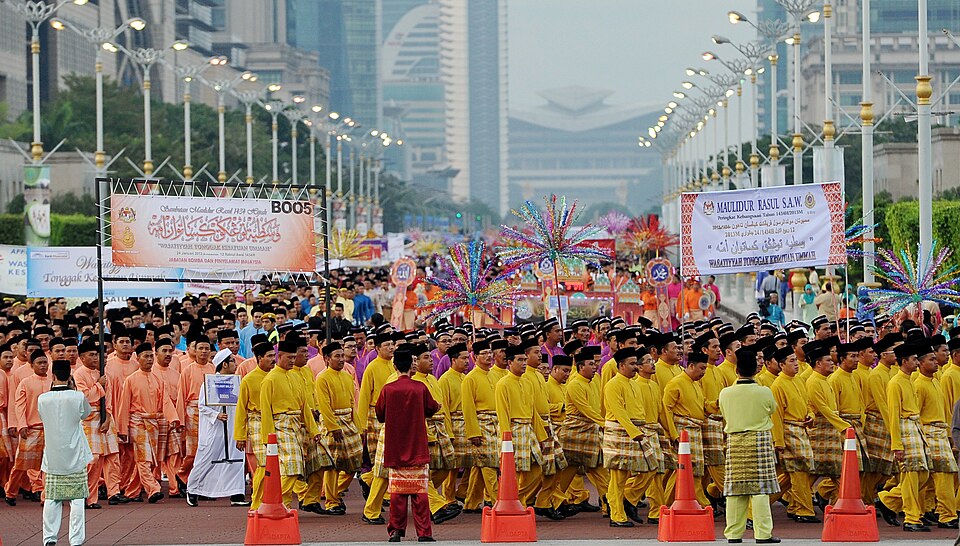
Mawlid (Arabic: مولد) is an annual festival commemorating the birthday of the Islamic prophet Muhammad on the date of 12 Rabi I, the third month of the Islamic calendar.
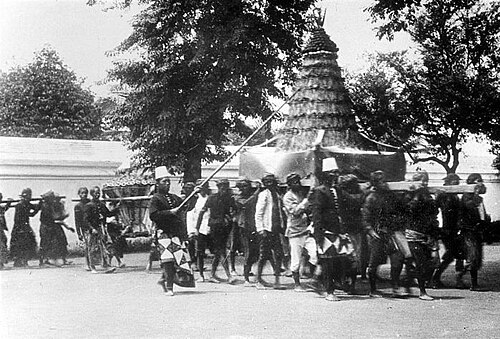
The Muslim general Gökböri, a deputy of Saladin (r. 1174-1193), is believed to have been the first to publicly celebrate Mawlid, which he did in an impressive ceremony at the Prophet's Mosque in Medina. The Ottomans under Sultan Murad III (r. 1574-1595) declared it an official holiday.
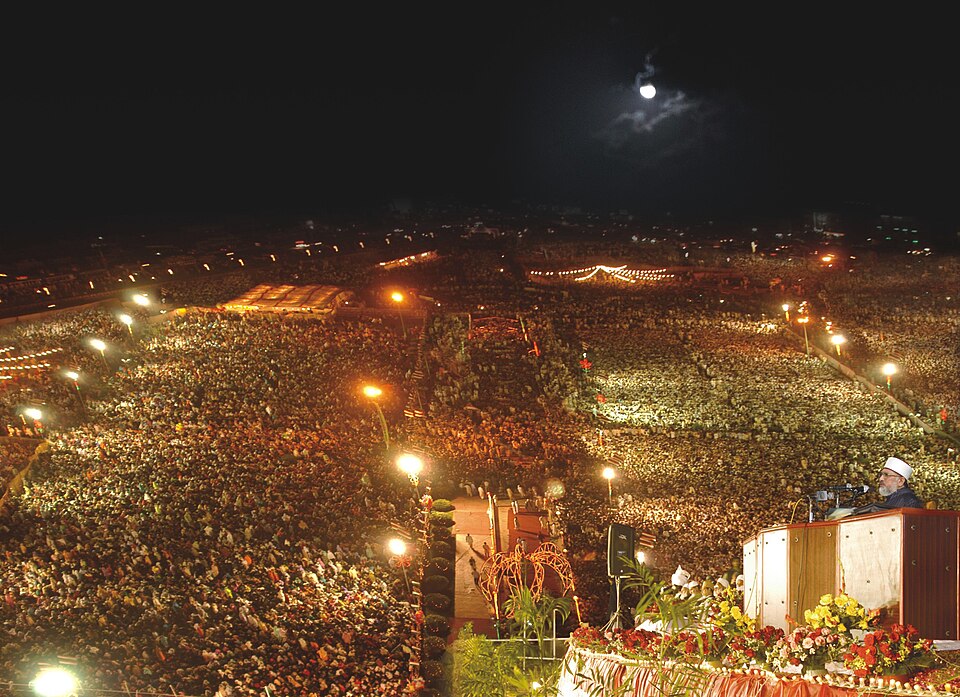
Celebrants hold mahfils on Mawlid in which religious poetry is recited in praise of Muhammad accompanied by a feast. Other customs affiliated with Mawlid are supererogatory fasting, prayer and dhikr.
Mawlid observance is a recognized national holiday in most Muslim-majority countries of the world. It is generally approved by the Hanafi, Maliki and Shafi'i schools of Sunni Islam, as well as by Shia Muslims. However, Salafism and Wahhabism regard celebration of the Mawlid a reprehensible bid'a (innovation) and prohibit its observance. Deobandi jurists take an intermediate position, viewing the matter as an issue of Ikhtilaf (scholarly disagreement).
Further reading
Mulid Sugar Doll is one of the 3D puzzles in World Artifacts: turn a cloud of broken pieces until it lines up. For iPhone, iPad, Apple Vision Pro and Android.

