World Artifacts › Atlas › Egypt
Nefertiti Bust
The bust was found in a sculptor's workshop in 1912 with one eye never inlaid, which suggests it was a model kept in the studio rather than a finished portrait. It has been in Berlin ever since, and Egypt has been asking for it back for a century.
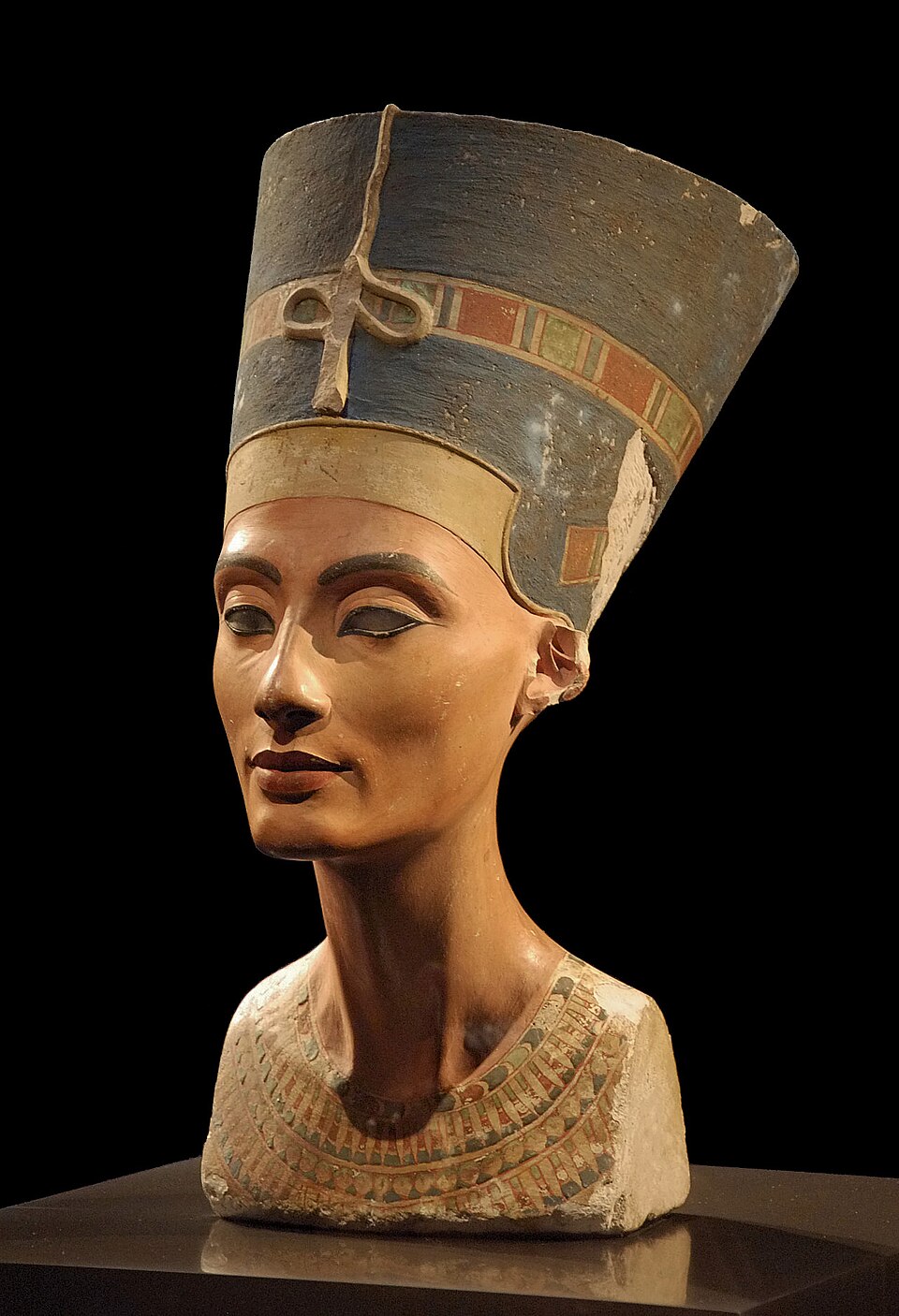
The Nefertiti Bust is a painted stucco-coated limestone bust of Nefertiti, the Great Royal Wife of Egyptian pharaoh Akhenaten. It is on display in the Neues Museum of Berlin.
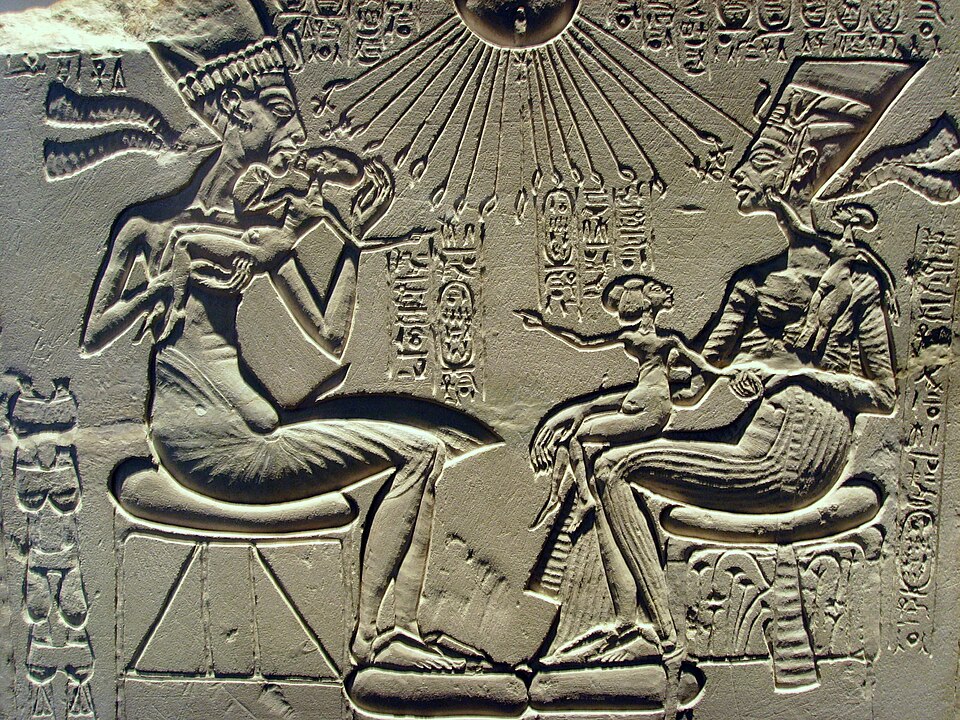
The work is believed to have been crafted in 1345 BC by Thutmose because it was found in his sculpture workshop in Tell-el Amarna, Egypt. It is one of the most-copied works of ancient Egypt. Nefertiti has become one of the most famous women of the ancient world and an icon of feminine beauty.
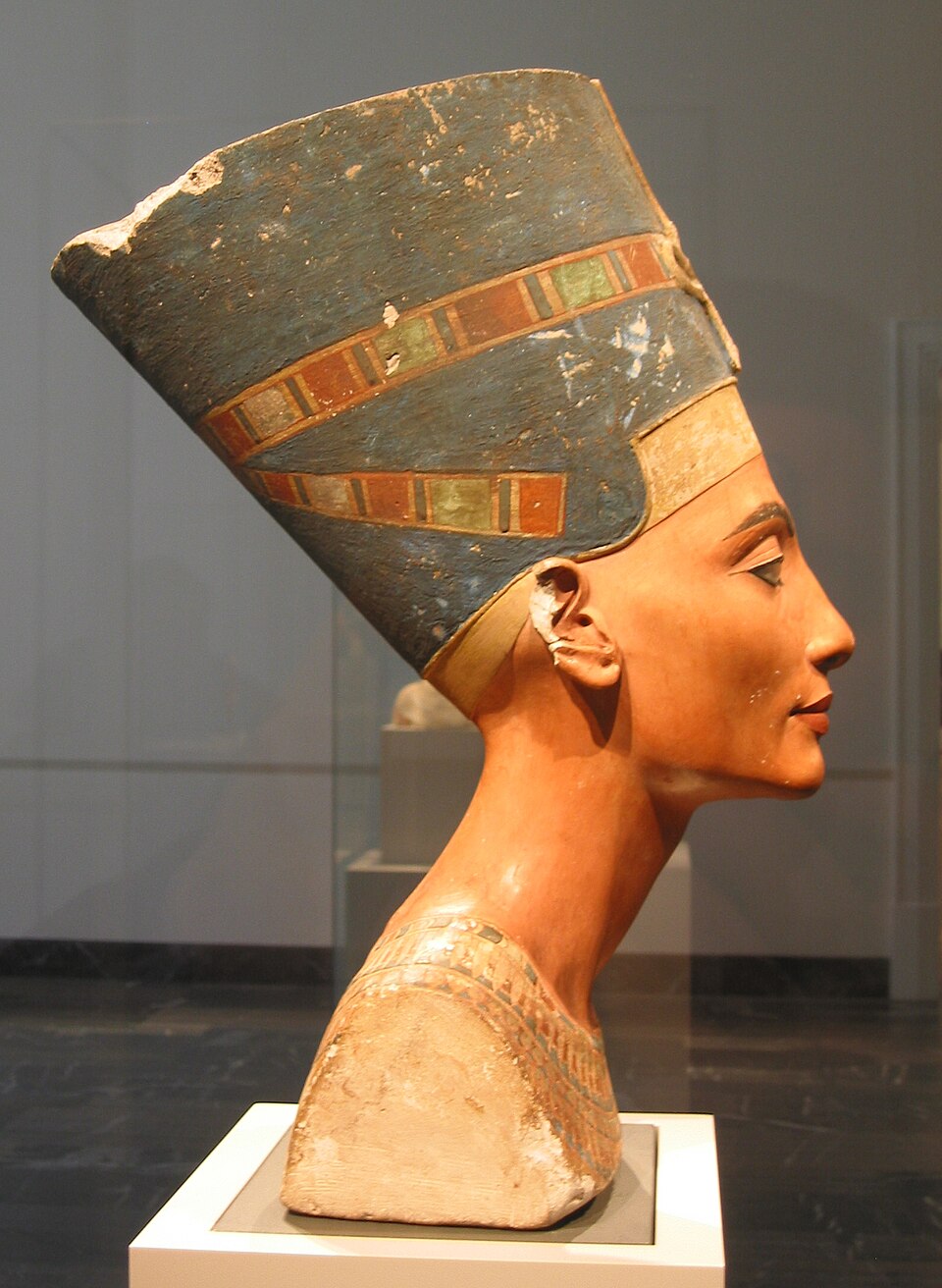
A German archaeological team led by Ludwig Borchardt discovered the bust in 1912 during an excavation of the sculptor's workshop. It has been kept at various locations in Germany since its discovery, including the cellar of a bank, a salt-mine in Merkers-Kieselbach, the Dahlem museum, the Egyptian Museum of Berlin and the Altes Museum. It is displayed at the Neues Museum in Berlin, where it was originally displayed before World War II. Egypt has called for the return of the bust, citing provisions that prohibited any items of great archaeological value from leaving Egypt. Egypt accuses Borchardt of "wrapping the bust to conceal its value and smuggling it out of the country".
Further reading
- Nefertiti's Face · Joyce A. Tyldesley (2018)A study of Nefertiti's portraits and sculpture, including the question of her beauty.Find a copy: AbeBooks · Amazon · WorldCat
- Nefertiti · Joyce A. Tyldesley (1998)A biography of Queen Nefertiti and her place in Egyptian history.Find a copy: AbeBooks · Amazon · WorldCat
Nefertiti Bust is one of the 3D puzzles in World Artifacts: turn a cloud of broken pieces until it lines up. For iPhone, iPad, Apple Vision Pro and Android.

