World Artifacts › Atlas › Egypt
Papyrus Reed
Papyrus is made by cutting the pith into strips, laying two layers at right angles and pressing them; the plant's own sap glues it. The word paper comes from it, though paper itself does not.
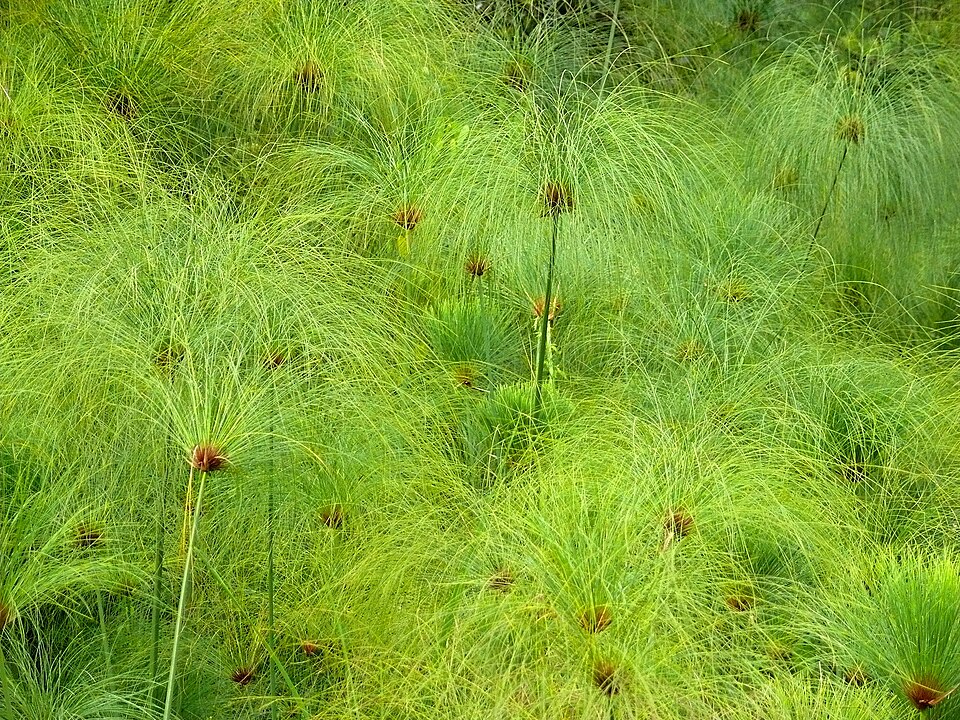
Cyperus papyrus, better known by the common names papyrus sedge, papyrus, paper reed, Indian matting plant, or Nile grass, is a species of aquatic flowering plant belonging to the sedge family Cyperaceae. It is a tender herbaceous perennial, forming tall stands of reed-like swamp vegetation in shallow water.
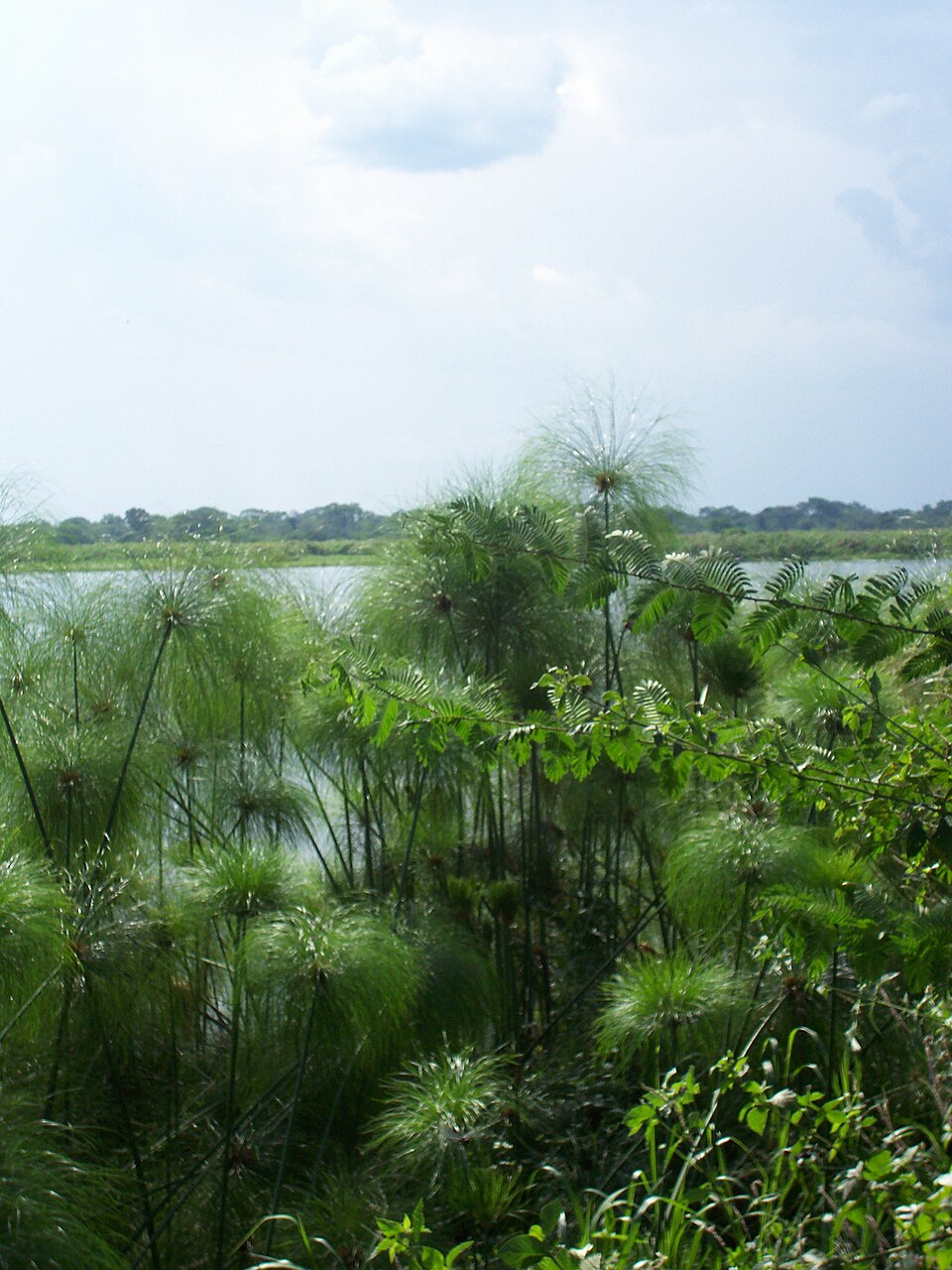
In nature, it grows in full sun, in flooded swamps, and on lake margins throughout Africa (where it is native), Madagascar, and the Mediterranean region. It has been introduced to tropical regions worldwide, such as the Indian subcontinent, South America, and the Caribbean.
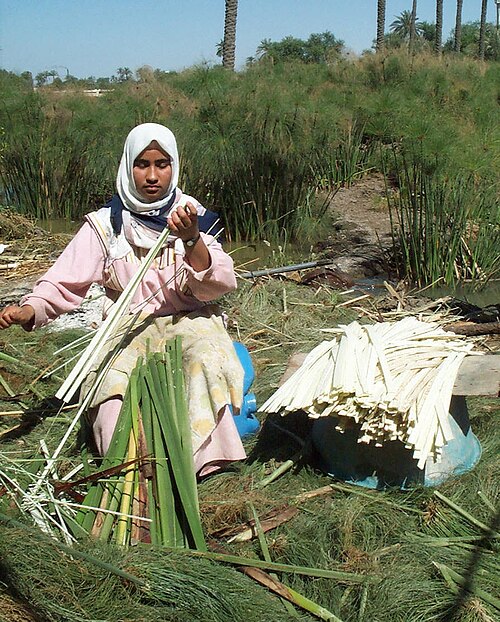
Along with its close relatives, papyrus sedge has a very long history of use by humans, notably by the Ancient Egyptians (as it is the source of papyrus paper, one of the first types of paper ever made). Parts of the plant can be eaten, and the highly buoyant stems can be made into boats. It is now often cultivated as an ornamental plant.
Further reading
Papyrus Reed is one of the 3D puzzles in World Artifacts: turn a cloud of broken pieces until it lines up. For iPhone, iPad, Apple Vision Pro and Android.

