World Artifacts › Atlas › Egypt
Tarboush
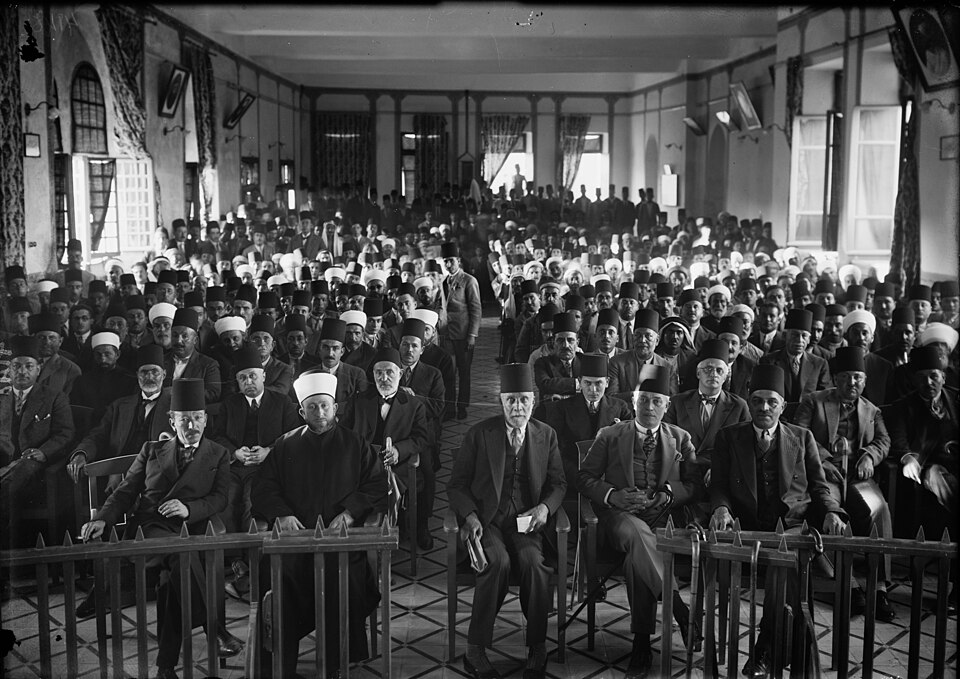
The red fez was the hat of Ottoman officialdom and then of the Egyptian middle class. After the revolution of 1952 it vanished within a few years, dropped as the badge of the old order.
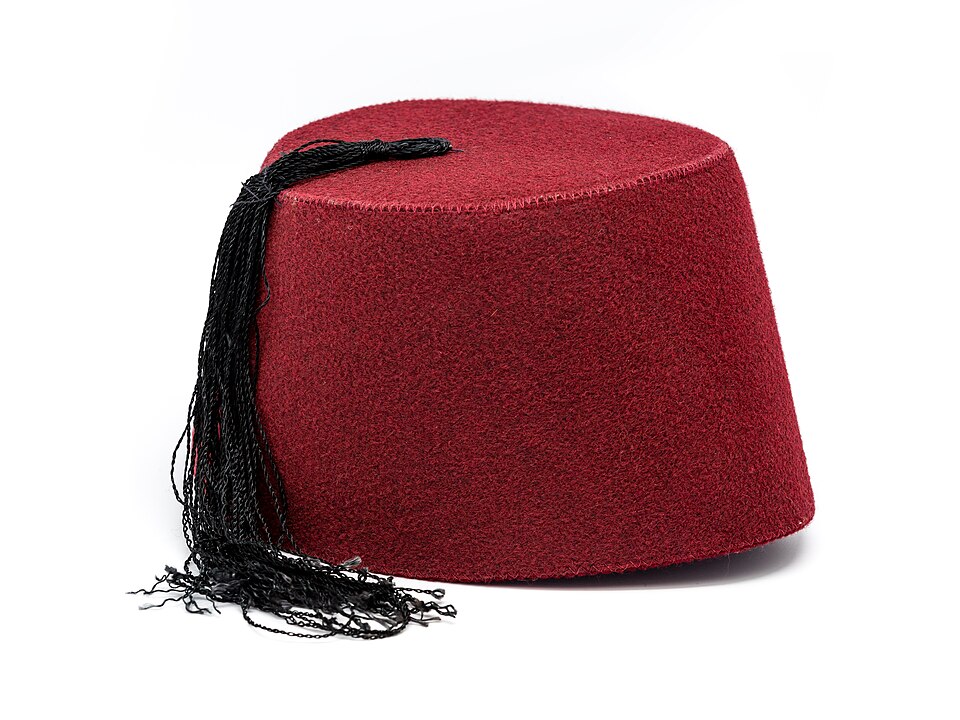
The fez (Turkish: fes, Ottoman Turkish: فس, romanized: fes), also called tarboosh/tarboush (Arabic: طربوش, romanized: ṭarbūsh), is a felt headdress in the shape of a short, cylindrical, peakless hat, usually red, typically with a black tassel attached to the top. The name "fez" may refer to the Moroccan city of Fez, where the dye to color the hat was extracted from crimson berries. However, its origins are disputed.
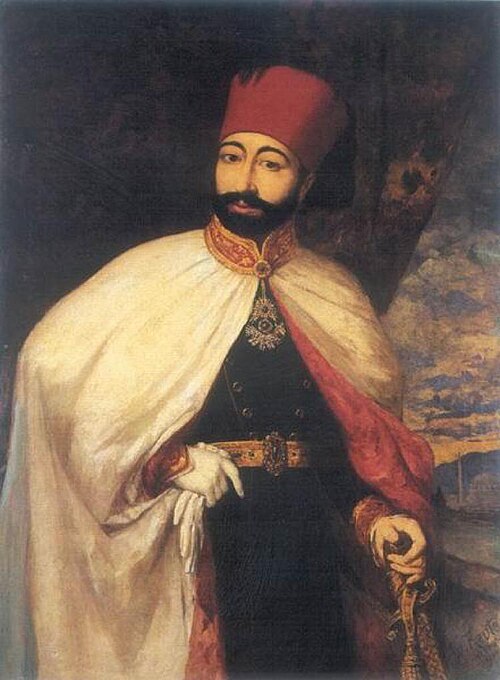
The modern fez owes much of its popularity to the Ottoman era. It became a symbol of the Ottoman Empire in the early 19th century. In 1827, Mahmud II mandated its use as a modern headdress for his new army called the Mansure Army. The decision was inspired by the Ottoman naval command, who had previously returned from the Maghreb having embraced the style. In 1829, Mahmud issued new regulations mandating the use of the fez by all civil and religious officials. The intention was to replace the turban, which acted as a marker of identity and so divided rather than unified the population. A century later, in 1925, the fez was outlawed in Turkey as part of Atatürk's reforms. Since then, it has not been a part of Turkish men's clothing.
Further reading
Tarboush is one of the 3D puzzles in World Artifacts: turn a cloud of broken pieces until it lines up. For iPhone, iPad, Apple Vision Pro and Android.

