World Artifacts › Atlas › Spain
Flamenco Dancer
Flamenco came out of Andalusian Roma communities and was for a long time treated as disreputable. The rhythm is counted in twelves with the accents in unexpected places, which is why clapping along is harder than it looks.
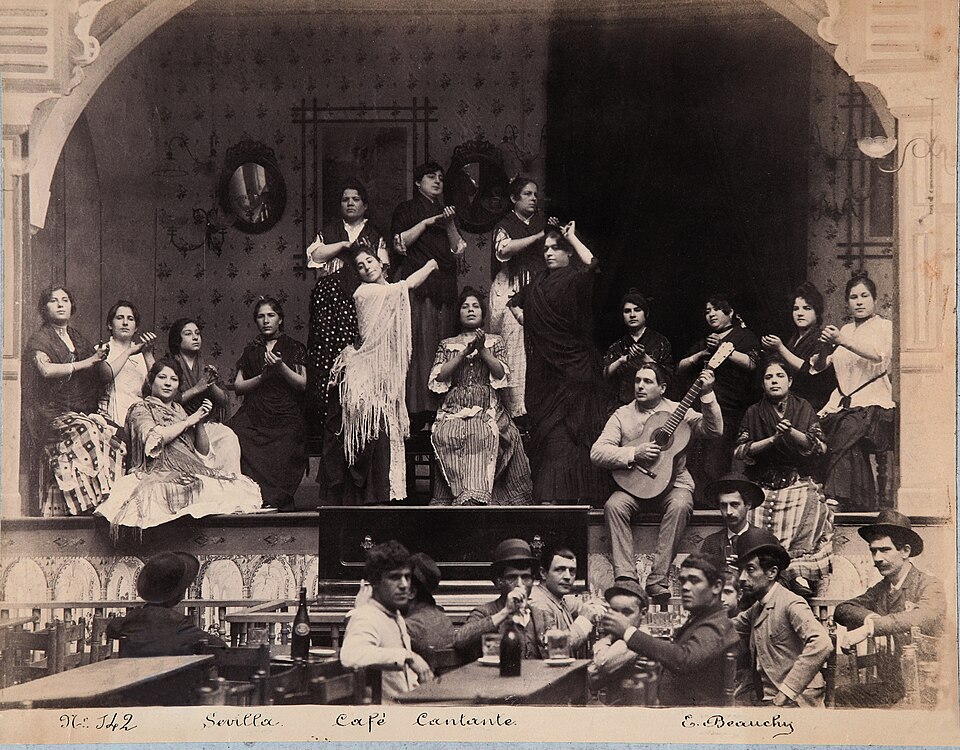
Flamenco (Spanish pronunciation: [flaˈmeŋko]) is an art form based on the various folkloric music traditions of southern Spain, developed within the gitano subculture of the Andalusian region, and also having historical presence in Extremadura and Murcia. In a wider sense, the term is used to refer to a variety of both contemporary and traditional musical styles typical of southern Spain. Flamenco is closely associated with the gitanos of the Romani ethnicity, who have contributed significantly to its origin and professionalization. However, its style is uniquely Andalusian, and flamenco artists have historically included Spaniards of both gitano and non-gitano heritage.
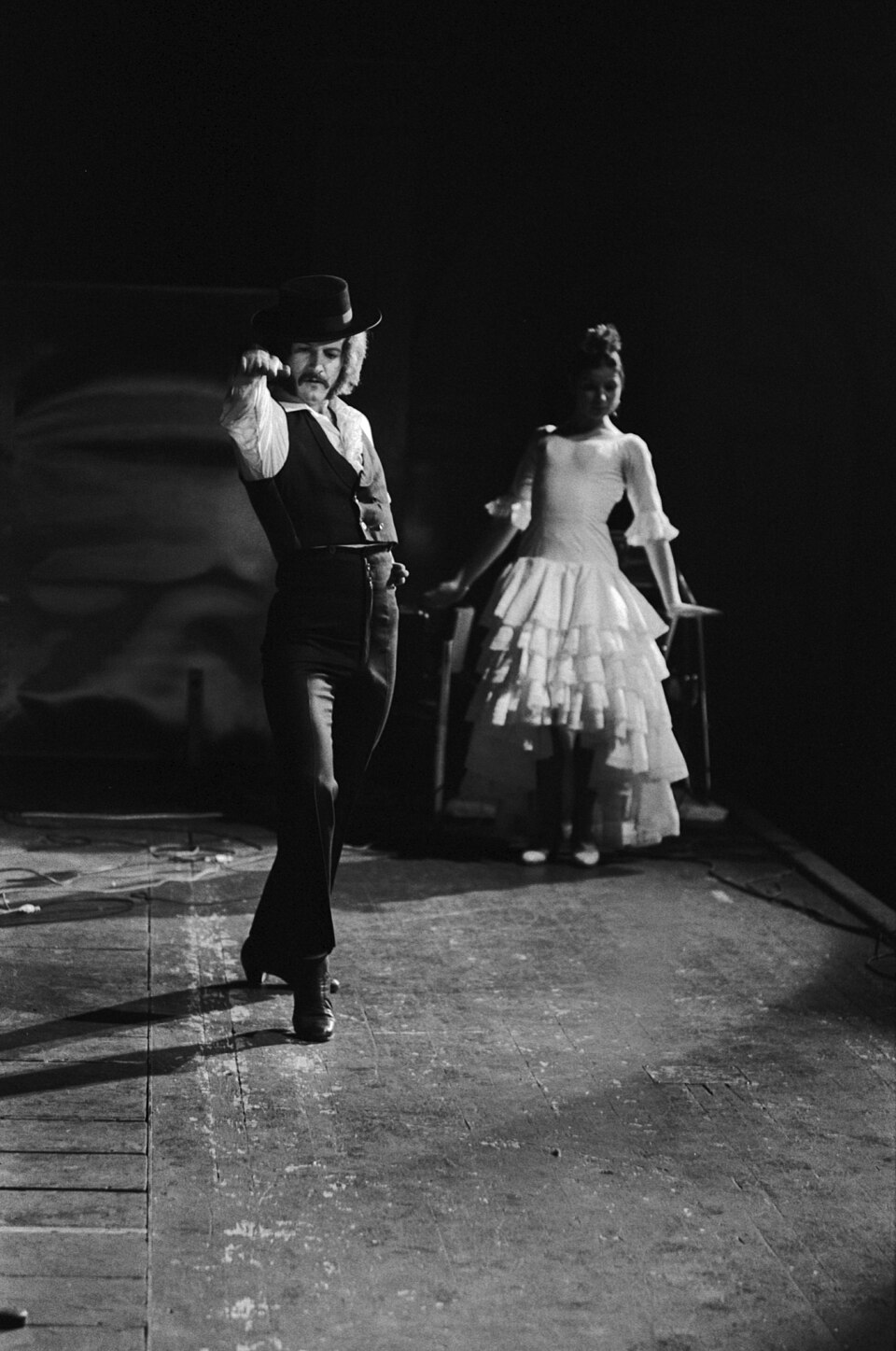
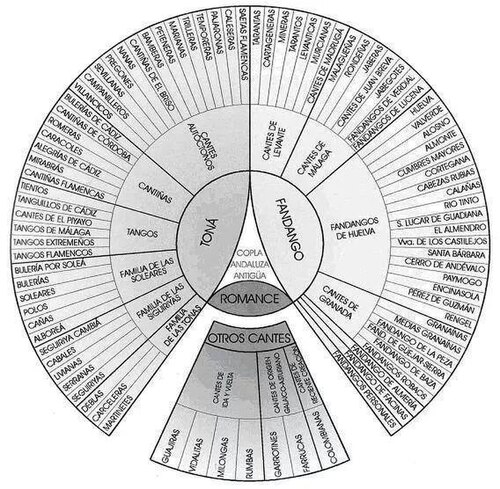
Although it is often described as a folk, popular or oral tradition, flamenco is also regarded as a complex and sophisticated musical system. Its forms combine song, guitar, dance, compás, modal and tonal harmony, falsetas, handclaps, footwork, melodic ornamentation and improvisatory variation. The musical identity of a palo may depend on several features at once, including rhythmic cycle, mode, chord progression, stanzaic form, geographic origin and performance convention. This musical sophistication, together with the development of concert flamenco guitar and formal conservatory study, has helped flamenco appeal not only to popular audiences but also to listeners and performers from classical-music backgrounds.
Further reading
- Flamenco : gypsy dance and music from Andalusia · Claus Schreiner (1996)A history of flamenco as gypsy dance and music from Andalusia.Find a copy: AbeBooks · Amazon · WorldCat
- Flamenco · William Washabaugh (1996)A history and criticism of flamenco in Andalusia, from an anthropological angle.Find a copy: AbeBooks · Amazon · WorldCat
Flamenco Dancer is one of the 3D puzzles in World Artifacts: turn a cloud of broken pieces until it lines up. For iPhone, iPad, Apple Vision Pro and Android.

