World Artifacts › Atlas › Spain
Iberian Pig
The black pigs are turned out under oak trees for the last months of their lives to eat nothing but acorns, which is what makes the fat soft and the ham expensive. That woodland pasture is a managed landscape, kept open for centuries for exactly this.
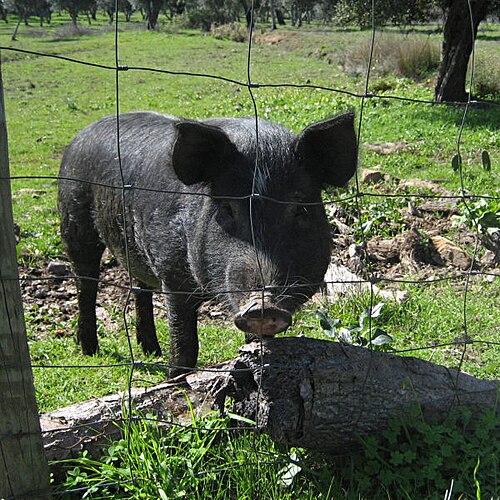
The Iberian pig, also known in Portugal as the Alentejo Pig, is a traditional breed of the domestic pig (Sus scrofa domesticus) that is native to the Iberian Peninsula. The Iberian pig, whose origins can probably be traced back to the Neolithic, when animal domestication started, is currently found in herds clustered in Spain and the central and southern part of Portugal.
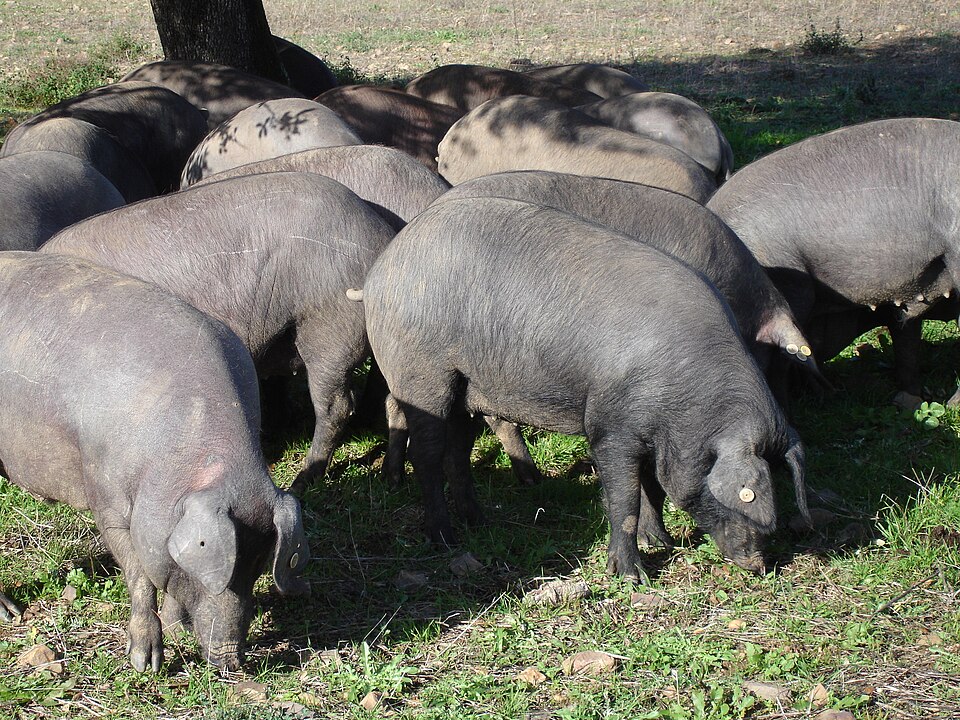
The production of Iberian pig is deeply rooted to the Mediterranean ecosystem. It is a rare example in world swine production where the pig contributes so decisively to the preservation of the ecosystem. The Iberian breed is currently one of the few examples of a domesticated breed which has adapted to a pastoral setting where the land is particularly rich in natural resources, in this case acorns from the holm oak, gall oak and cork oak.
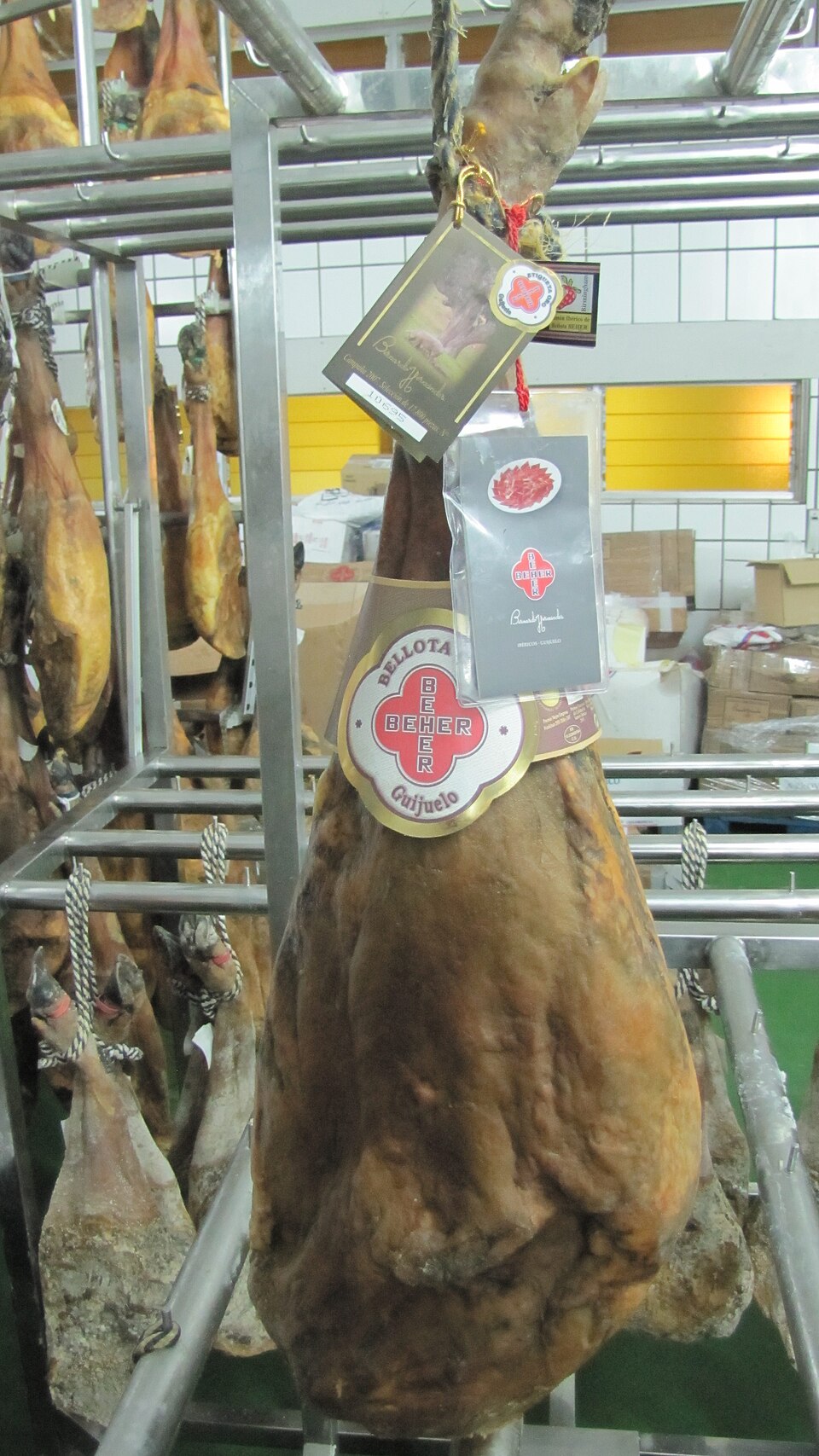
The numbers of the Iberian breed have been drastically reduced since 1960 due to several factors such as the outbreak of African swine fever and the lowered value of animal fats. In the past few years, however, the production of pigs of the Iberian type has increased to satisfy a renewed demand for top-quality meat and cured products. At the same time, breed specialisation has led to the disappearance of some ancestral varieties.
Iberian Pig is one of the 3D puzzles in World Artifacts: turn a cloud of broken pieces until it lines up. For iPhone, iPad, Apple Vision Pro and Android.

