World Artifacts › Atlas › Spain
Park Güell Dragon
The mosaics are made of broken tiles and factory rejects, a technique Gaudí used because the curved surfaces will not take flat tiles. The park was meant to be a housing estate; only two of the sixty plots ever sold.
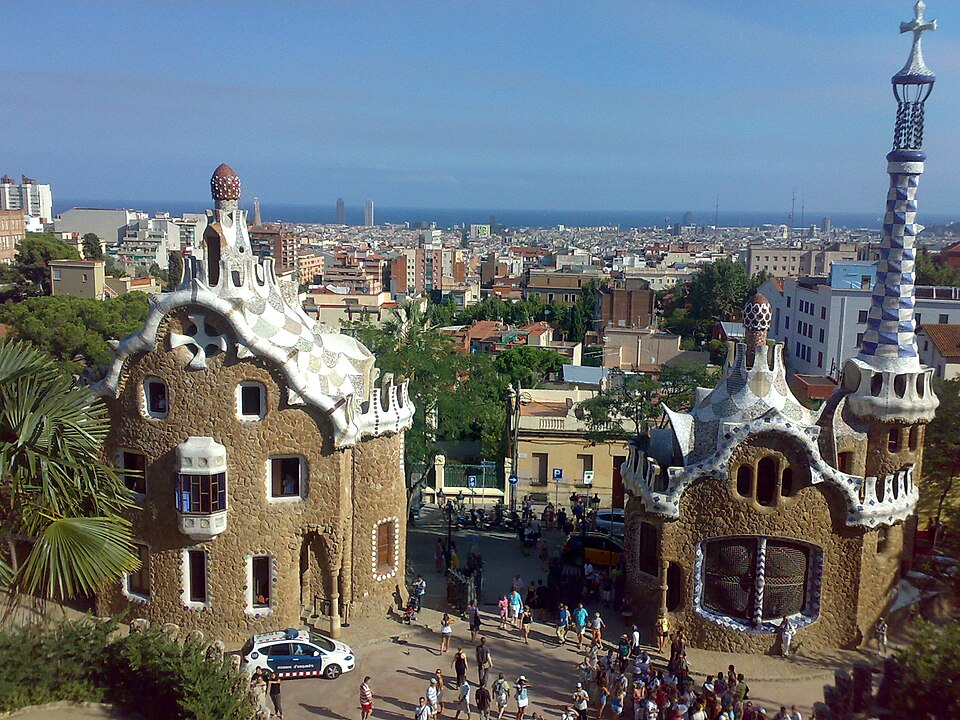
Park Güell (Catalan: Parc Güell [ˈpaɾɡ ˈɡweʎ]; Spanish: Parque Güell) is a complex of parks and gardens in Barcelona with architectural elements, located in the La Salut neighborhood of the Gràcia district in Barcelona, Catalonia, Spain. It is situated on the southern slope of the Turó del Carmel hill, part of the Collserola mountain range, overlooking the city. The separate Parc del Carmel lies on the northern side of the same hill.
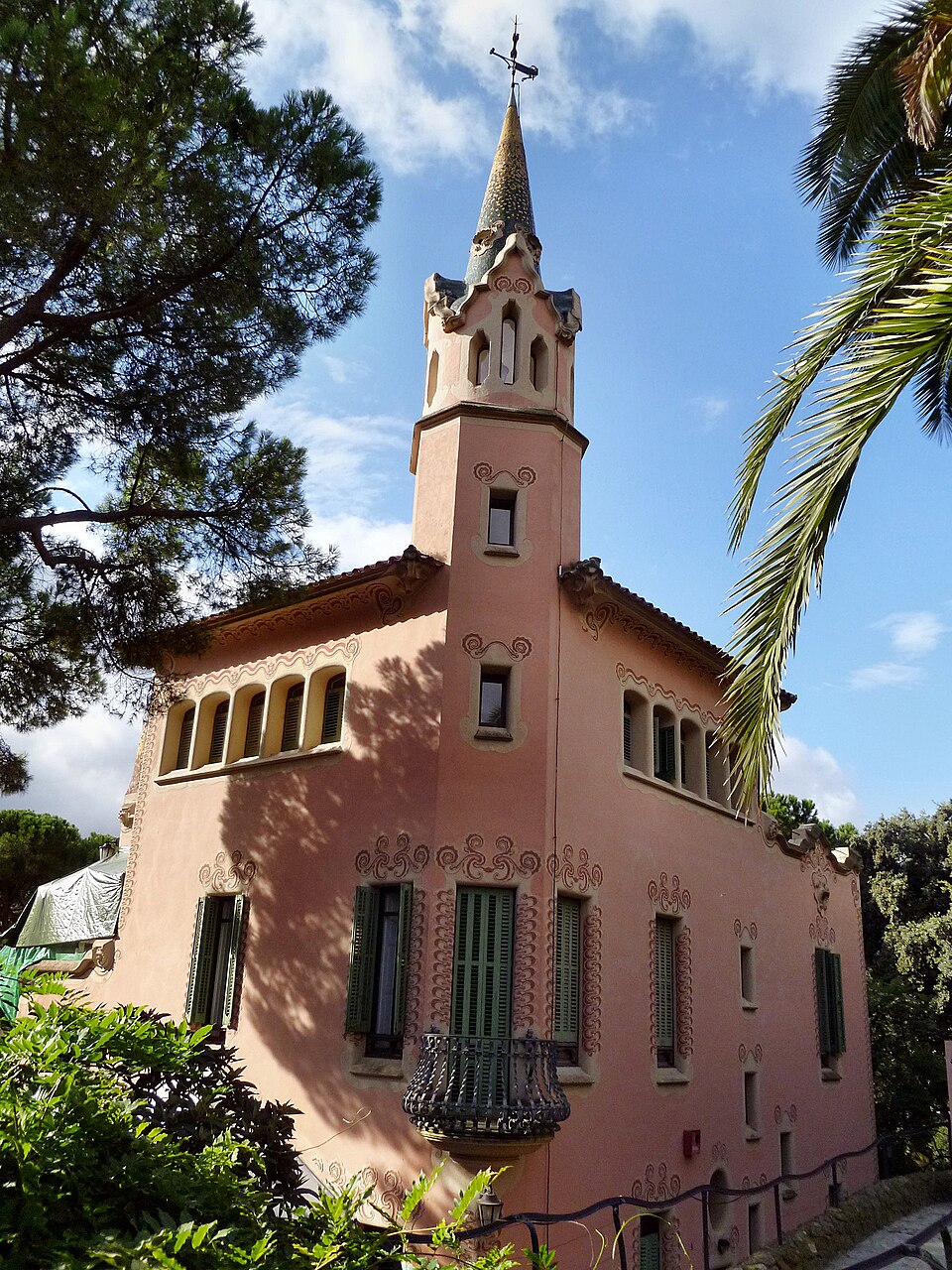
In the context of Barcelona's late 19th and early 20th-century urban expansion, Catalan industrialist and art patron Eusebi Güell commissioned architect Antoni Gaudí, a leading figure of the aesthetic movement in Catalan modernism, to design a park.
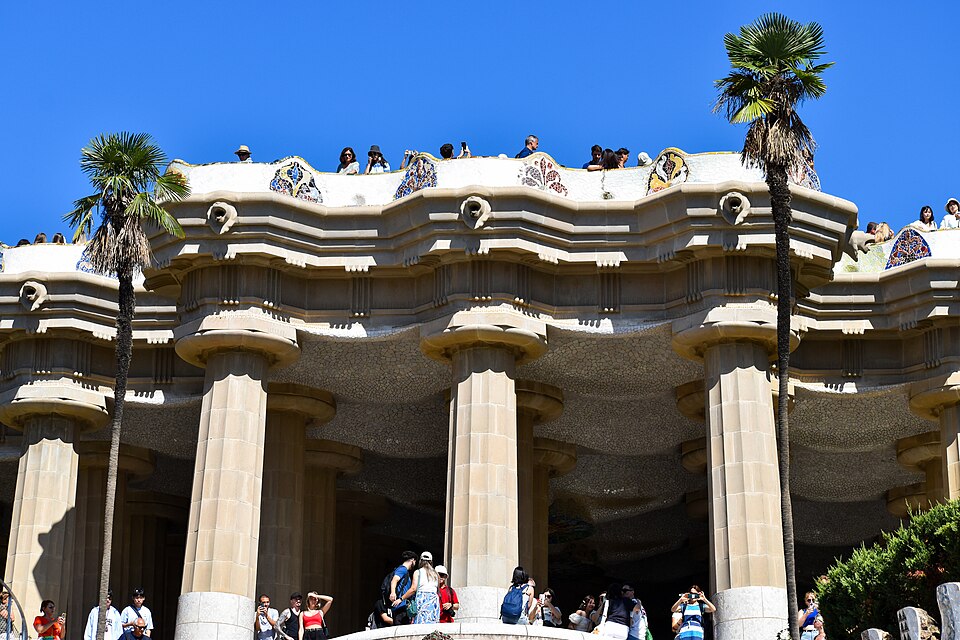
Construction took place between 1900 and 1914, and the park officially opened to the public in 1926. In 1984, UNESCO designated the park a World Heritage Site, recognizing it as part of the "Works of Antoni Gaudí" collection and stating "the architecture of the park combined elements from the Arts and Crafts movement, Symbolism, Expressionism, and Rationalism, and presaged and influenced many forms and techniques of 20th-century Modernism."
Further reading
Park Güell Dragon is one of the 3D puzzles in World Artifacts: turn a cloud of broken pieces until it lines up. For iPhone, iPad, Apple Vision Pro and Android.

