World Artifacts › Atlas › Spain
Sagrada Família
Gaudí spent his last forty-three years on the church and knew he would not see it finished; he is buried in the crypt. It is paid for entirely by donations and ticket sales, and it only obtained a building permit in 2019, after 137 years.
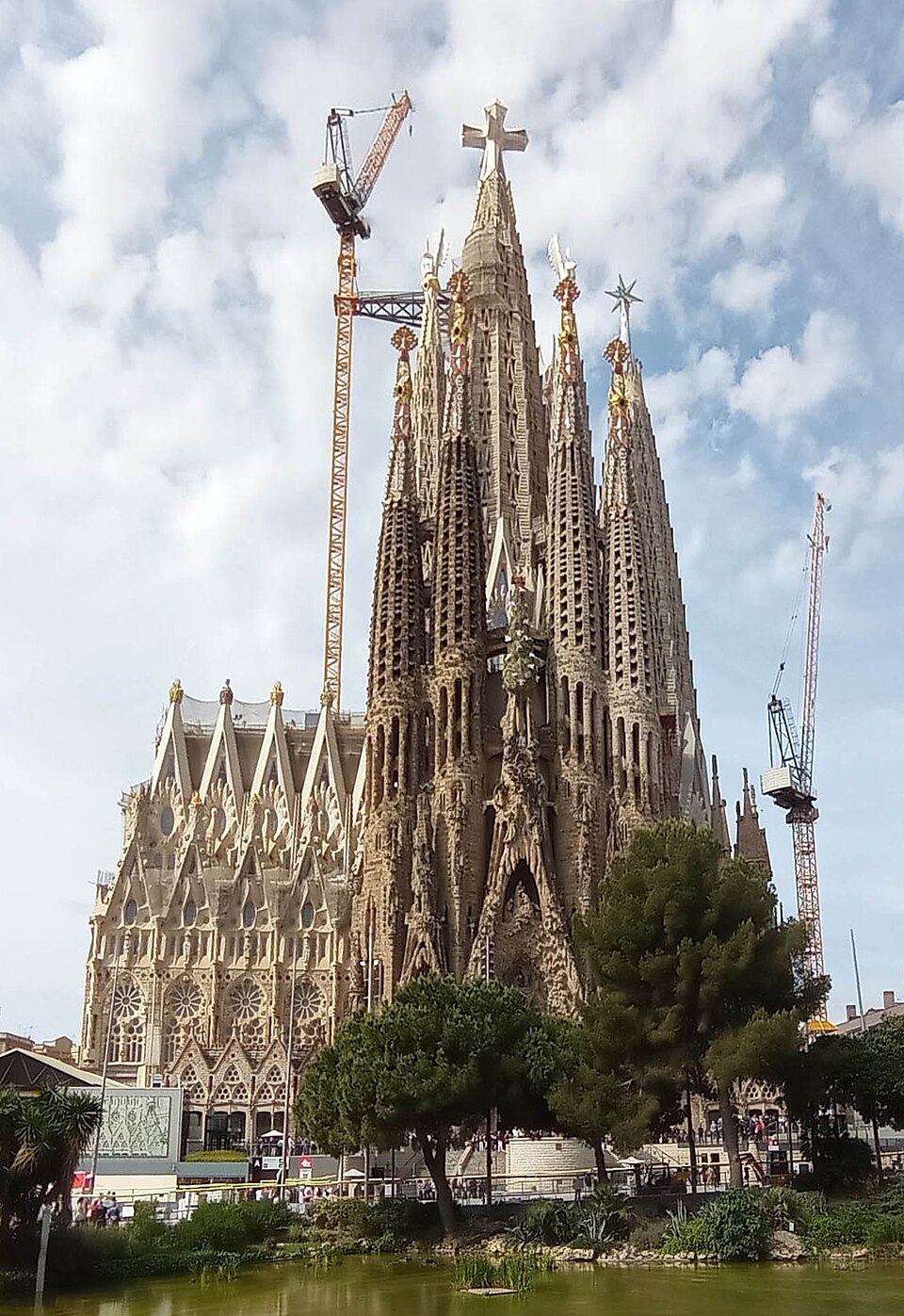
Basílica i Temple Expiatori de la Sagrada Família, or simply Sagrada Família, is a Catholic Basilica in the Eixample district of Barcelona, Catalonia, Spain. Designed by the Catalan architect Antoni Gaudí, it is the tallest church
in the world. On 7 November 2010, Pope Benedict XVI consecrated the church and proclaimed it a basilica. In 2005, parts of the Sagrada Família (Nativity façade and Crypt) were declared a UNESCO World Heritage Site, under "Works of Antoni Gaudí".
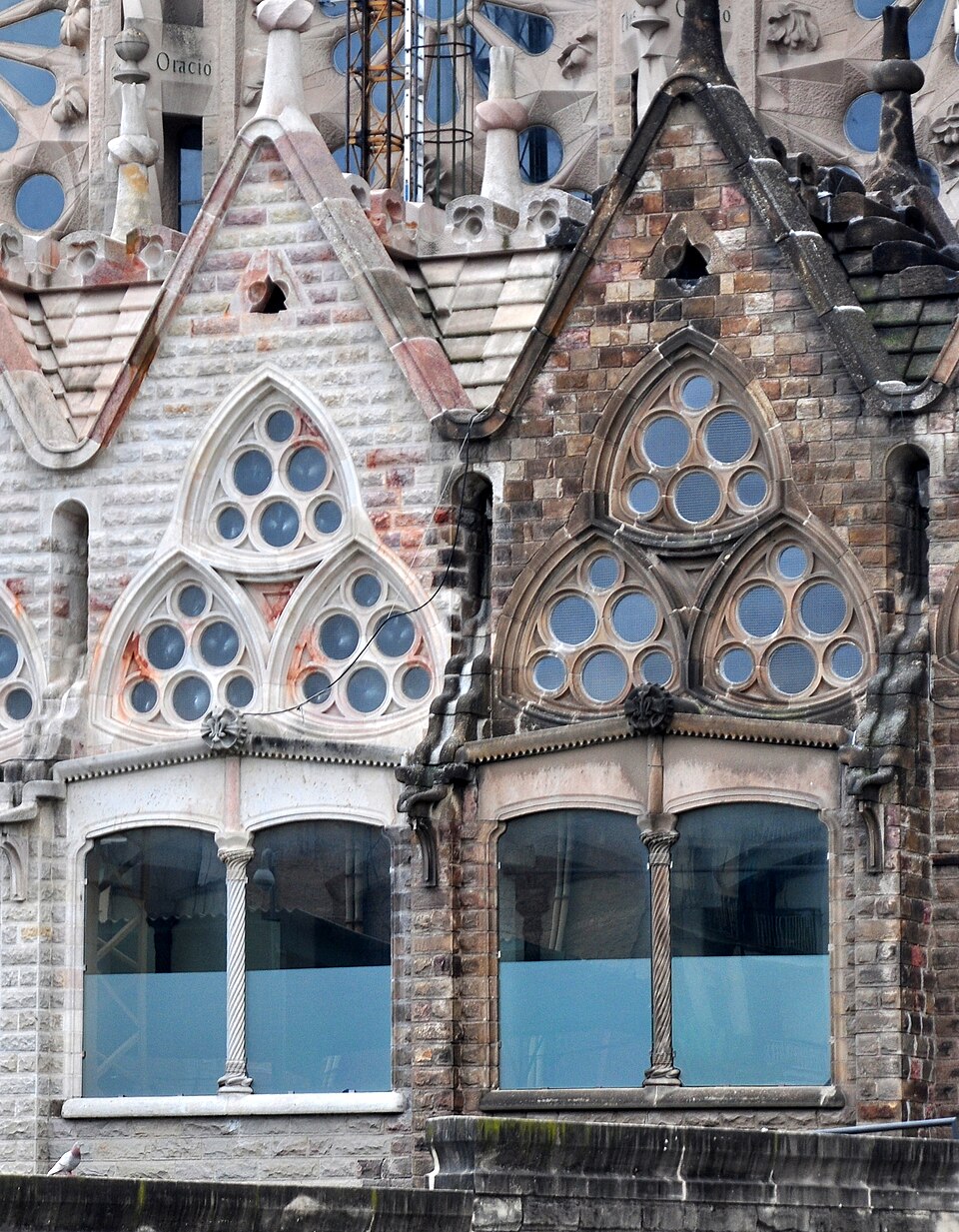
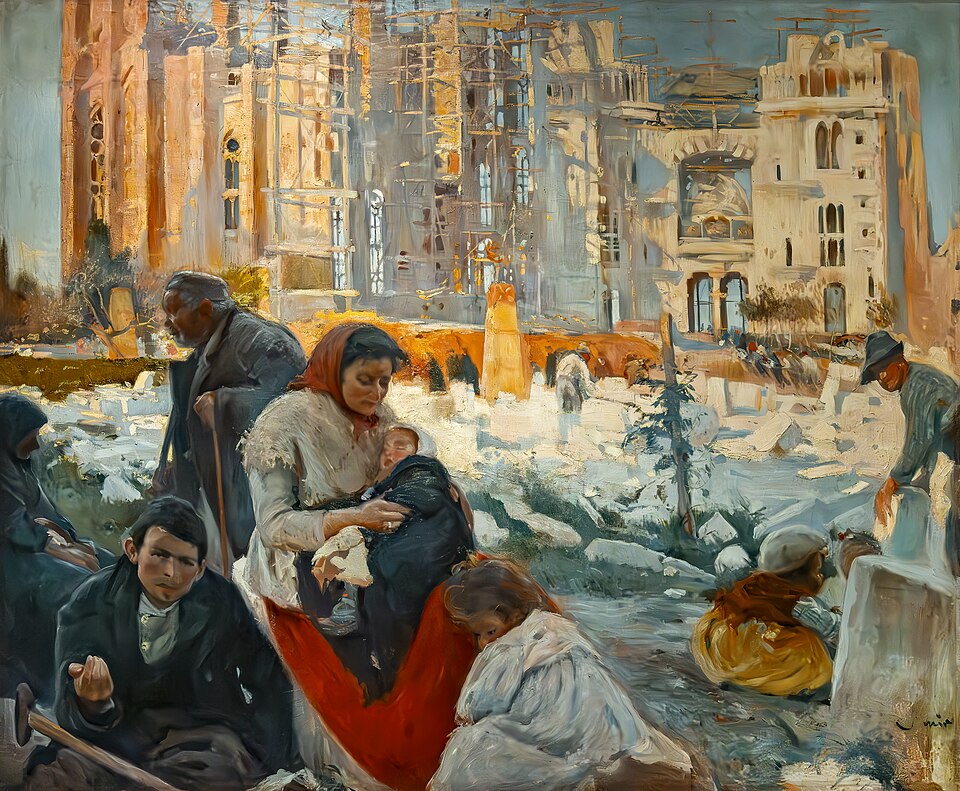
On 19 March 1882, construction of Sagrada Família began under the architect Francisco de Paula del Villar. In 1883, when Villar resigned, Gaudí took over as chief architect, transforming the project with his architectural and engineering style, combining Gothic and curvilinear Art Nouveau forms. Gaudí devoted the remainder of his life to the project, and he is buried in the church's crypt. At the time of his death in 1926, less than a quarter of the project was complete.
Further reading
- Expiatory Church of the Sagrada Família · Mark Burry (1993)Covers the Expiatory Church of the Sagrada Família, its architecture, and criticism and interpretation of it.Find a copy: AbeBooks · Amazon · WorldCat
- Gaudí · Gijs Van Hensbergen (2001)A biography of the architect Antoni Gaudí.Find a copy: AbeBooks · Amazon · WorldCat
Sagrada Família is one of the 3D puzzles in World Artifacts: turn a cloud of broken pieces until it lines up. For iPhone, iPad, Apple Vision Pro and Android.

