World Artifacts › Atlas › Ethiopia
Ensete
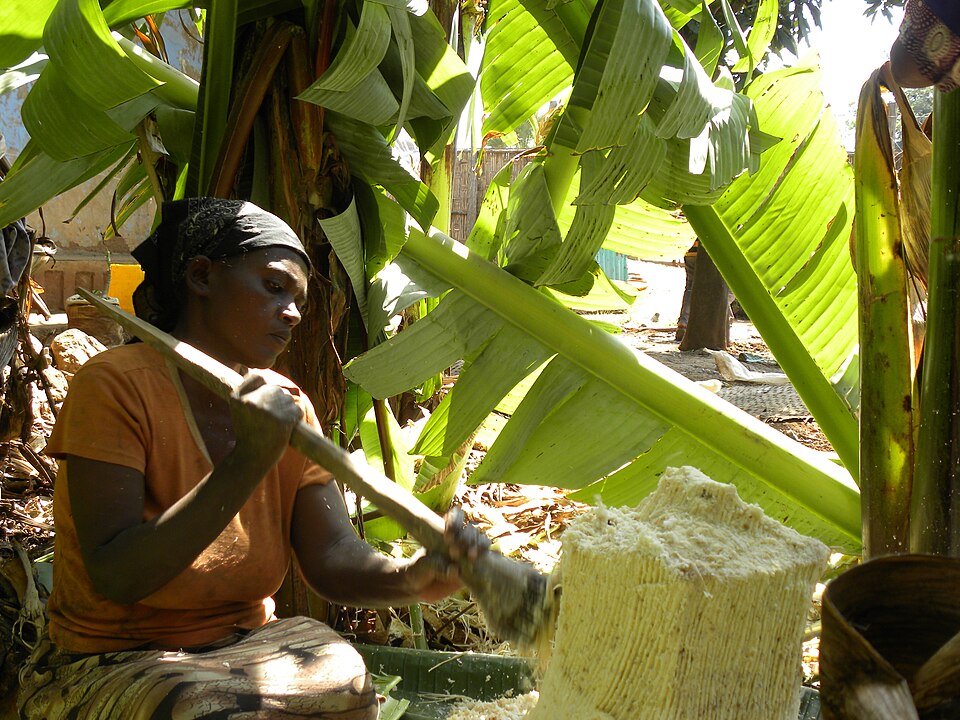
The false banana is not grown for fruit. Its underground corm and stem pulp are scraped, fermented in a pit for months and baked into a bread, and it feeds around twenty million people in the Ethiopian highlands. It survives drought that kills grain.
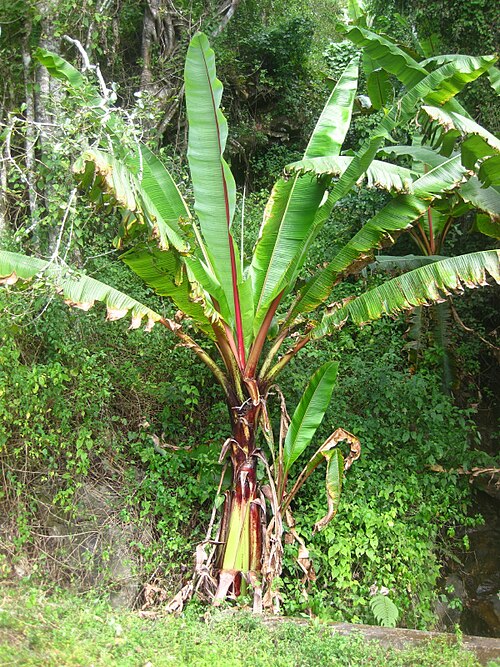
Ensete ventricosum, commonly known as enset or ensete, Ethiopian banana, Abyssinian banana, pseudo-banana, false banana, and wild banana, is a species of flowering plant in the banana family Musaceae. The only country where the domesticated form of the plant is cultivated is Ethiopia, where it provides the staple food for approximately 20 million people. The name Ensete ventricosum was first published in 1947 in the Kew Bulletin.. Its synonyms include Musa arnoldiana, Musa ventricosa, and Musa ensete. In its wild form, it is native to the eastern edge of the Great African Plateau, extending northwards from South Africa through Mozambique, Zimbabwe, Malawi, Kenya, Uganda, and Tanzania to Ethiopia, and west to the Congo, being found in high-rainfall forests on mountains, and along forested ravines and streams.
Further reading
- On indigenous production, genetic diversity and crop ecology of enset (Ensete ventricosum (Welw.) Cheesman) · Admasu Tsegaye (2002)Covers indigenous production, genetic diversity and crop ecology of enset.Find a copy: AbeBooks · Amazon · WorldCat
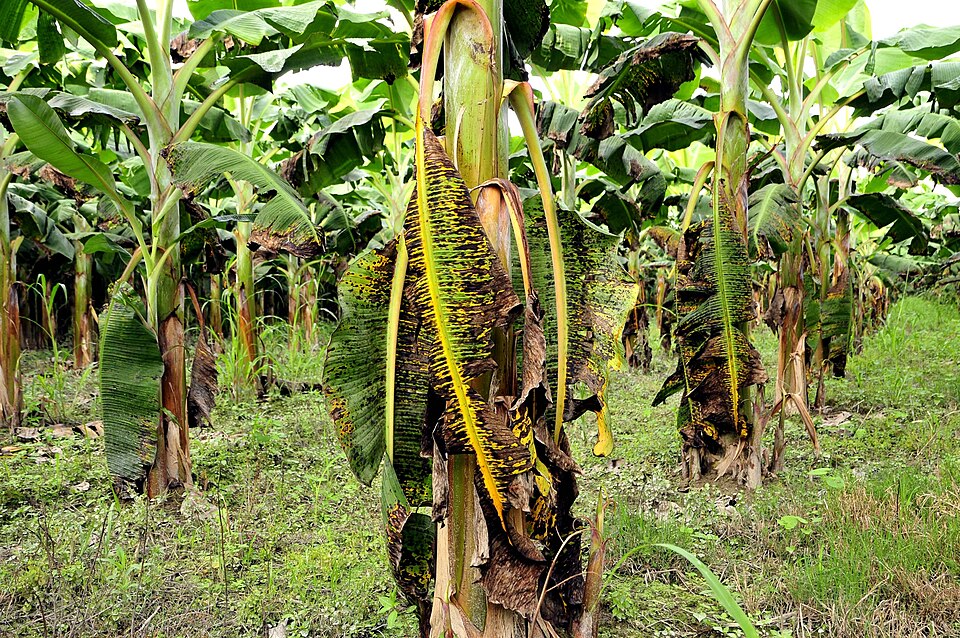
- Handbook of Diseases of Banana, Abacá and Enset · Jones, David R. (2018)A handbook on diseases of banana, abacá and enset.Find a copy: AbeBooks · Amazon · WorldCat
Ensete is one of the 3D puzzles in World Artifacts: turn a cloud of broken pieces until it lines up. For iPhone, iPad, Apple Vision Pro and Android.

